Corneal surgery is a surgery in which a medical procedure is performed on the cornea, such as corneal transplant surgery or peeling of the corneal epithelium. It is advisable that whoever performs corneal surgery be a cornea specialist. The cornea is the transparent front surface of the eye. It is located anterior to the iris and the pupil and allows the entry of light into the eye. The diameter of the cornea is about 12 mm and its central thickness is on average 550 micron, but this varies between different people. Together with the lens, the cornea is a source for the refraction of the light rays that focus on the retina and enable the act of vision. Many eye diseases may affect the cornea and impair its natural transparency. Injuries, infections, various hereditary conditions or aging may cause clouding of the cornea and thereby cause a decrease in vision or distorted vision.
 Sometimes vision may improve with glasses, contact lenses or medications, but there are cases in which a corneal transplant is essential in order to preserve vision. There are situations in which the corneal transplant will even help cope with pain in addition to its importance for vision, as in swelling and edema of the cornea. The central cloudy part of the involved cornea is removed during the surgery and replaced with a transparent cornea donated by a deceased person. There are various techniques for corneal transplantation, and usually there is no need to transplant the entire cornea but rather to transplant specific layers according to the problem.
Who needs corneal surgery?
There are several factors to take into account in deciding who will benefit from a corneal transplant and when is the best time to perform it. It is important to consider the general health of the eye and of the patient, past eye surgeries, the intraocular pressure, the vision in each eye and the specific reason that led to the impairment of vision in the involved eye. Indications for a corneal transplant can include treatment of a disorder that does not respond to other medical treatment, improving the quality of the cornea and thereby improving vision (for example, replacing a scarred cornea after a corneal ulcer or a severe infection that turned the transparent cornea cloudy).
Conditions that may lead to the need for a corneal transplant are: keratoconus, bullous keratopathy, corneal scar, corneal perforation, penetrating eye injuries and a failed corneal transplant that required repeat transplantation.
The procedure
There is no need to perform corneal-tissue matching routinely. Corneal tissue from a deceased donor can be used as long as he is not suspected of having contagious diseases. The corneal transplant is performed using general or local anesthesia in addition to sedation. Antibiotic eye drops will be given for a few weeks after the surgery, in addition to steroids that will usually be given for a few months. Likewise, in order to protect the eye from injuries after the transplant, the patient will be advised to wear an eye shield, glasses or sunglasses.
Corneal transplant surgery
A full-thickness corneal transplant (penetrating keratoplasty, or PKP) involves removing all layers of the cornea in its central cloudy part and replacing them with a transparent cornea from a donor. This procedure is performed for keratoconus, deep corneal scars, corneal perforations, penetrating injuries and corneal transplants that have failed. Recovery from this surgery is long and may take up to about 18 months.
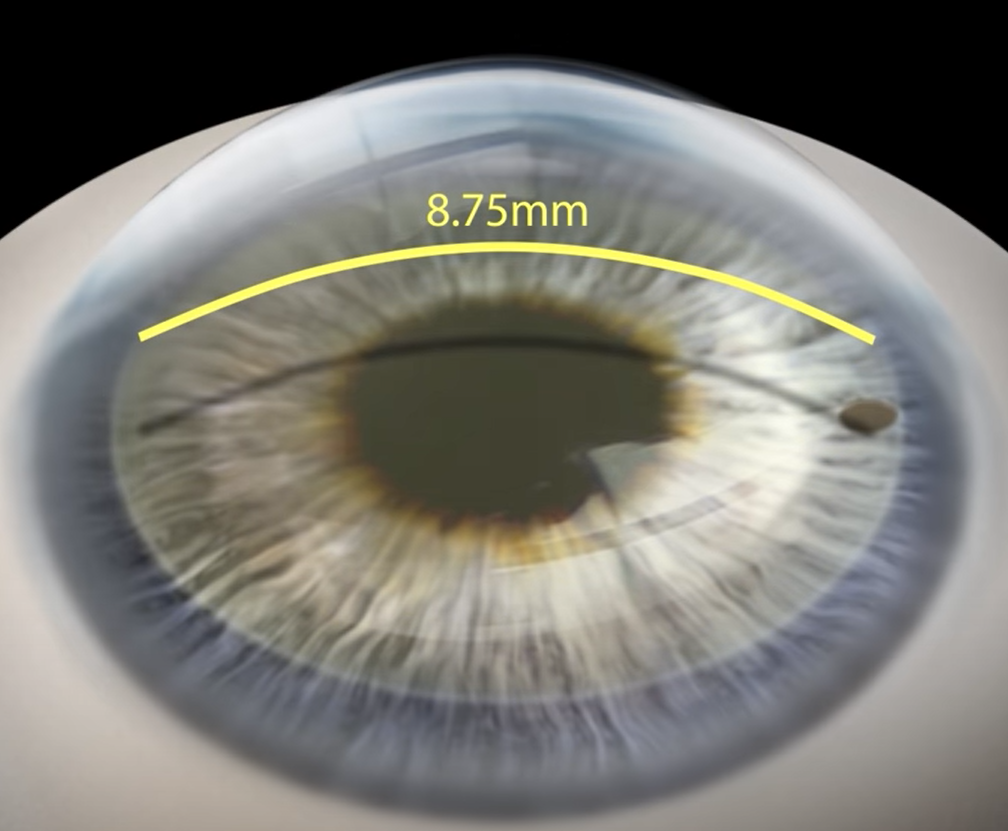 A partial-thickness corneal transplant of the DSAEK type involves removing the inner layers of the involved cornea and replacing them with matching functioning layers from a donor cornea. A transplant of this type is performed for Fuchs dystrophy, bullous keratopathy or in a failed corneal transplant. Recovery from this surgery is faster (compared with a full-thickness corneal transplant) and the incidence of graft rejection is lower.
Another partial corneal transplant is of the DALK type, and it is performed in certain cases of keratoconus and superficial corneal scars. It involves removing the anterior layers of the cornea in the central cloudy area and replacing it with corresponding layers of the donor cornea. The recovery time is relatively fast, and this type too has less rejection compared with PKP.
Keratoprosthesis is a surgical procedure in which a severely damaged or diseased cornea is replaced with an artificial cornea. Unlike a conventional corneal transplant, in this procedure the cornea is artificial and does not come from a living or deceased donor. This procedure is performed to restore vision in patients who suffer from severe corneal damage due to infection, injury, burns or congenital defects.
A corneal transplant involves various complications
A corneal transplant involves various complications such as graft rejection, infection (intraocular or in the cornea), leakage of the wound, glaucoma, astigmatism, recurrence of the disease that led to the corneal damage, and more. As noted, rejection rates are lower for the partial transplants relative to the full-thickness transplant. Rejection symptoms include a decrease in vision, sensitivity to light, eye pain and ocular redness. Graft rejection will be treated with local corticosteroids. If the graft rejection is severe or if graft function is impaired, oral and even intravenous corticosteroids may be given. In most cases graft rejection passes and the graft returns to full function. The graft may be harmed when the rejection is severe, when it lasts a long period, or when several episodes of graft rejection are involved. There is a possibility of repeat transplantation, but it must be taken into account that the prognosis and long-term results are less good in such a case.
Have a question about your eyes? Want a specialist opinion?