What different types of cataract are there? Does this affect the decision of whether and when to operate, and does it impact the outcome of cataract surgery? These are common questions among patients who are about to undergo cataract surgery or who have been told they have a cataract.
A cataract is a cloudy or opaque area in the eye's lens that impairs the passage of light rays to the retina, which can cause blurred or hazy vision, sensitivity to light, and halos around lights. Cataracts develop mainly due to aging, and a high percentage (over 30%) of the adult population over the age of 65 suffers from a cataract in one or both eyes. Cataract is the leading cause of vision impairment worldwide, but it is a reversible condition through simple surgery.
Three Main Types of Cataract
There are 3 age-related types of cataract worth knowing: nuclear sclerotic, posterior subcapsular, and cortical. The groups are divided according to where the cataract forms in the lens, and each group has slightly different symptoms, progresses at a different rate, and has different causes. All three types progress gradually and can lead to vision loss, and all require treatment if they interfere with the patient.
Nuclear Sclerotic Cataract
The most common type of cataract. It is called nuclear because it begins in the center of the lens, and “sclerosis” is the medical term for a hardened body or tissue. As the cataract progresses, the cloudy part spreads from the nucleus — the center of the lens — toward additional layers.
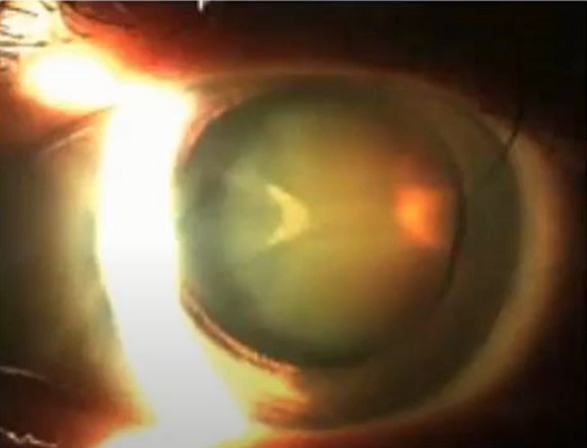
What Causes a Nuclear Sclerotic Cataract?
This type is caused by the hardening and yellowing of the lens as we age. Over the years, new fibers form around the lens and push the old lens material toward its center, making it denser. Smoking increases the risk of this type of cataract.
Symptoms
This condition impairs the eye's focusing ability. After vision begins to be affected, there may be a temporary improvement in the eye's near focus. However, vision continues to deteriorate from there, with difficulty seeing at a distance, blurred vision, and colors appearing faded as the condition worsens. This type of cataract progresses slowly, so years may pass before the patient notices a change in vision.
Cortical Cataract
“Cortical” refers to the outer layer. From this we understand that a cortical cataract begins at the outer edge of the lens. As it progresses, it creates wedge-like lines that lead toward the center of the lens and scatter light rays as they enter the eye.
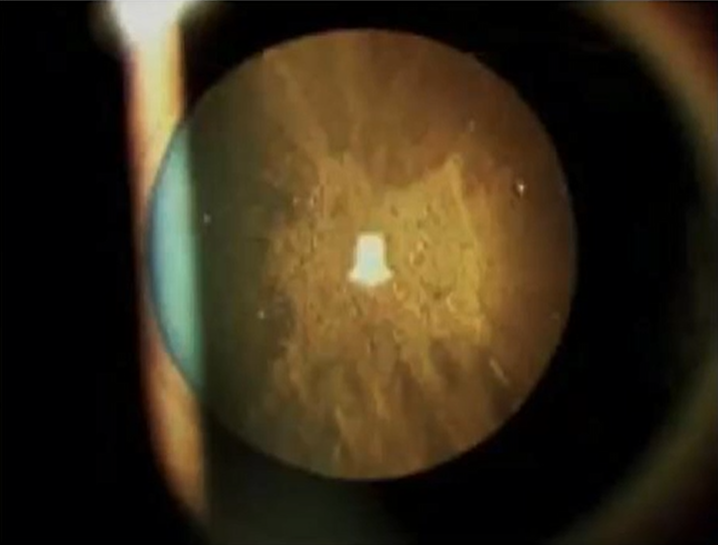
What Causes a Cortical Cataract?
Diabetes and excessive sun exposure are risk factors for developing this type of cataract.
Symptoms
Blurred vision or blurred lines. Patients may also experience glare from bright lights, especially sunlight, and difficulty driving at night. This type of cataract develops relatively quickly, and the symptoms affect daily life within months rather than years, unlike a nuclear sclerotic cataract.
Posterior Subcapsular Cataract
It forms at the back of the lens and is located near the lens capsule. This type of cataract causes symptoms disproportionate to its size.
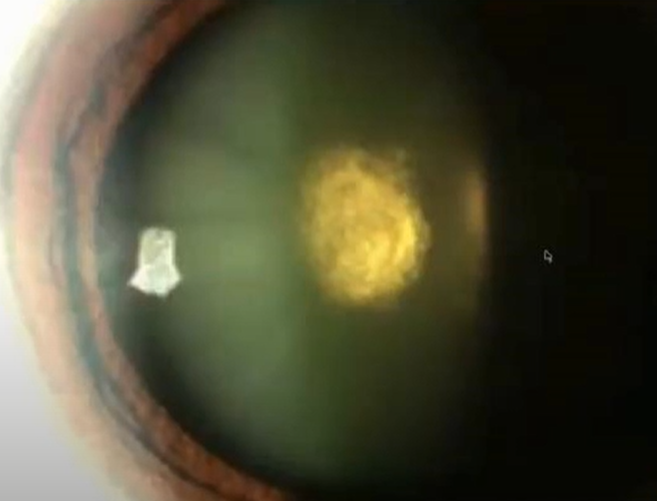
What Causes a Posterior Subcapsular Cataract?
Patients with diabetes, severe myopia, regular steroid use, or radiation exposure are at higher risk of developing this type of cataract.
Symptoms
Glare when looking at bright light and halos around lights, which makes driving difficult, especially at night. Difficulty reading and blurred vision may also appear. This is the type of cataract that develops the fastest of the types mentioned.
Additional Types of Cataract
Age is not the only cause of cataract. There are many different types caused by internal and external factors. Additional types of cataract include:
Traumatic Cataract
Severe eye injuries can damage the lens and cause a cataract. Its development can be rapid or gradual over many years.
Radiation-Related Cataract
Certain types of radiation, such as UV radiation from the sun and radiation used to treat cancer, can cause a cataract.
Cataract in Children
It can be congenital or acquired. This type of cataract is uncommon and is usually genetic in origin. A cataract can be the result of complications during pregnancy, childhood diseases, or may indicate a tumor in the eye. Children can also suffer from traumatic cataract, radiation-related cataract, or cataract due to steroid use. It is important to treat cataract in children at an early stage to prevent the development of additional vision problems such as amblyopia (lazy eye). In some cases the cataract may be small and not impair vision, which will require ophthalmologist monitoring to ensure it does not progress.
Secondary Cataract (Posterior Capsule Opacification)
After cataract surgery, some patients develop a condition called secondary cataract, which makes vision cloudy again, similar to what it was before surgery. During cataract surgery, the surgeon removes the cloudy lens from the eye and replaces it with an artificial lens implant. This implant is placed inside the original lens capsule, which holds it in place. Over time, this capsule may develop a kind of scar tissue on its back, a layer that impairs the passage of light rays and their arrival at the retina at the back of the eye.
Have a question about your eyes? Want a specialist opinion?