Pterygium Excision
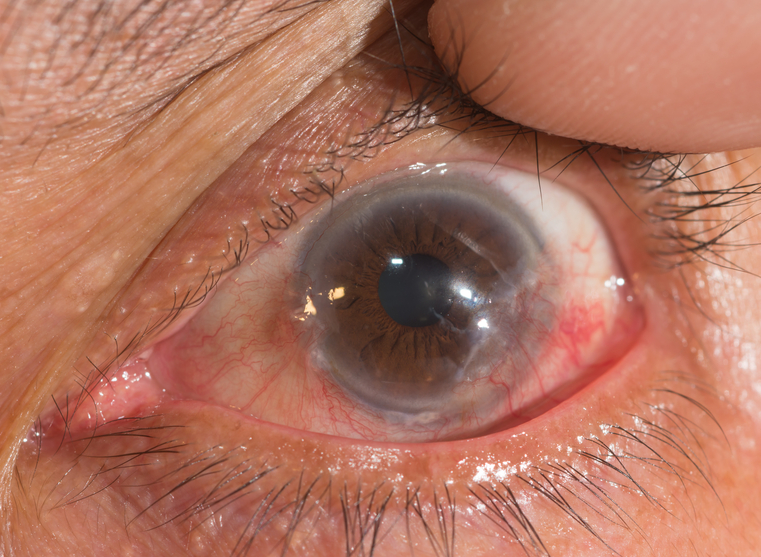
Pterygium excision is a procedure in which a pterygium is removed from the area of the conjunctiva and cornea. A pterygium is a non-cancerous growth of the eye's conjunctiva that involves the surface of the eye beyond the cornea. The conjunctiva is a transparent tissue that covers the white part of the eye and the inner part of the eyelids. Certain cases of pterygium produce few symptoms, but a more severe growth of the conjunctival tissue can cover the cornea and impair vision. The pterygium looks like a raised tissue thickening caused by increased conjunctival growth. The exact cause of the development of this condition is unknown, but there are risk factors, among them an outdoor work environment where one is exposed to sand, dust, wind, and sunlight.
Is Pterygium Excision Mandatory?
If the pterygium does not cause symptoms, treatment may not be needed. However, when the condition does not respond to eye drops or when it impairs the patient's vision, lifestyle, and daily activity — the pterygium should be removed.
Pterygium Excision by Surgery
Surgery to remove a pterygium is a minimally invasive surgery and takes about 30 to 45 minutes, during which the lesion is removed from the eye. Then a small piece of skin is taken from under the eyelid in order to fill the area from which the pterygium was removed, a stage called autografting. The surgery is usually performed under local anesthesia with the addition of sedation. If there is a pterygium in both eyes, the surgeries will be performed a few weeks apart from each other in order to allow the eye to heal and to reduce the risk of infection or complications.
After Pterygium Excision
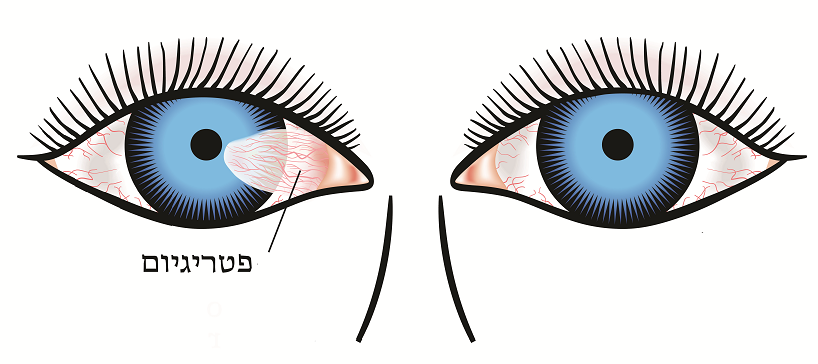
The physician will use sutures or fibrin glue in order to keep the conjunctival tissue graft in place. Both techniques reduce the chances of the pterygium returning. The use of dissolvable sutures may cause discomfort after surgery and extend the recovery period by a few weeks. In contrast, the use of fibrin glue reduces inflammation and discomfort and shortens the recovery period by half (compared to sutures). However, it is important to know that the source of fibrin glue is blood, so there is a risk of transmitting viral infections and various diseases, although this is rare. Also, fibrin glue is more expensive than the use of dissolvable sutures.
Another option is the bare sclera technique, an option that raises the risk of pterygium recurrence. In this procedure the physician removes the pterygium tissue without filling the missing space with a tissue graft. The technique leaves the tissue exposed to heal on its own. With this technique there are none of the risks that exist with sutures or fibrin glue, but there is a higher rate of the pterygium growing back, and it may be even larger and more significant. With the use of the bare sclera technique, the rate of pterygium recurrence reaches up to 50%, compared to only 5 to 10% recurrence with the use of autografting as described. A recurrent pterygium is treated surgically similarly to the primary one.
It is important to follow the instructions of the operating physician, who may ask you to remove contact lenses at least 24 hours before the surgery (if the patient uses lenses), and to come to the surgery with a companion who will assist with getting home, since the patient is expected to be blurred and will not be able to drive themselves.
Recovery After Pterygium Excision Surgery
After the surgery, a patch is sometimes placed on the eye in order to minimize bleeding remaining from the surgery. The patch will be removed after the follow-up visit on the day after the surgery. During the recovery period, patients may experience eye irritation, blurred vision, and redness around the eye. Usually one can return to regular activity such as driving, work, and studies within a few days. Full recovery is expected to take a few weeks up to a few months. According to the treating physician's instructions, antibiotic eye drops and topical steroids should be used for 1 to 2 months in order to prevent infection, reduce the risk of inflammation, or the return of the pterygium.
Complications and Side Effects
Although this is a relatively simple procedure, every surgical procedure has the potential for complications and side effects. After pterygium surgery, it is normal for the patient to experience eye discomfort and redness, and it is even common to notice blurred vision during recovery. However, there are complications that require examination and even further intervention, such as: the formation of a cyst or infection at the surgical site, double vision, rejection of the graft tissue, drooping of the eyelid, and even up to vision loss due to infection or perforation of the eye. As noted, these are rare complications, but if there is concern about their development, medical help should be sought. If pterygium removal is required after its return, the risk of complications rises and this should be taken into account.
After the surgery it is important not to use eye makeup or moisturizer around the eyes for at least a week after the surgery. Also, swimming or a sauna should be avoided for at least two weeks. You can shower as usual but be careful about shampoo, soap, or water entering the eyes.
Have a question about your eyes? Want a specialist opinion?