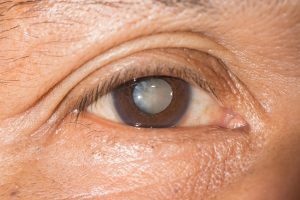
A cataract is a common condition in which there is a decline in vision quality due to the development of clouding in the eye's lens. A cataract is usually associated with age-related changes in the patient, but this condition can also be caused by diabetes, chronic medication use, or injury to the eye. The rate at which a cataract develops varies from person to person, and so does the time at which surgery to remove the cataract is recommended. The decision to perform the surgery depends on assessing the impairment to the patient's quality of life and vision.
Cataract surgery is a relatively quick procedure, about 15 to 30 minutes, and after a short recovery you can go home. The surgery is painless and the recovery time is relatively fast. It is considered a safe surgery with very high success rates. Recovery after cataract surgery can vary from patient to patient, but in most cases it lasts up to about a week, during which the eyes heal and vision normalizes. During this recovery time, it is recommended that patients avoid strenuous activity to allow their eyes to heal fully.
When Can You Return to Physical Activity After Cataract Surgery?
It is recommended to avoid physical activity after cataract surgery for at least a week after the surgery. Any discomfort or sensitivity around the eyes after surgery will fade over a few days, and you can begin light to moderate activity such as walking or stretching. It is best not to perform exercises that require bending the body, since they raise the pressure acting on the eyes.
Likewise, it is recommended not to dive underwater for about two weeks after surgery, in order to reduce the chance of infection. Water carries a variety of bacteria that can harm the eyes and impair their healing process. You can shower or wash your hair, but you must be careful of water drops that can get into the eyes.
In terms of heavy physical exertion, it is best to avoid physical activity after cataract surgery for at least four weeks after the surgery. The sensitivity around the surgical area may fade after a few days, but it is nevertheless important to wait the recommended period before performing any strenuous physical activity or until advised by the surgeon or a specialist optometrist. Strenuous physical activity such as running, aerobics, yoga, weightlifting, soccer, cycling, tennis, and more.

Restrictions on Physical Activity After Cataract Surgery
Performing intense physical activity causes the pressure in the eyes to rise, so it is important to keep this pressure as low as possible in order to aid faster healing. Many high-intensity sports can cause dust and debris to enter the eyes unexpectedly, which may cause infection. During the period when the eyes are recovering from cataract surgery, it is important to keep them clean and sterile in order to heal properly.
When you provide the eyes with the time needed to recover, you reduce the risk of adverse reactions such as fluid accumulation, swelling, increased eye pressure, damage to the lens, and retinal detachment. Although cataract surgery is a quick procedure, it is important to remember that it is a surgical procedure, and therefore the body requires an appropriate period of time to heal from it, like any other surgery.
Ways to Maintain Eye Safety During Physical Activity
There are a variety of simple measures every patient can take to ensure that recovery from cataract surgery proceeds in the best possible way. Before performing physical activity, choose to do the activity in an environment that is not dusty or sandy, in order to avoid eye irritation in the period after surgery. Likewise, it is recommended to wear sunglasses outdoors while performing the physical activity. Similarly, you can wear protective goggles so as not to scratch the eyes and to protect them from foreign bodies.
As noted, physical activity at various levels is permitted after cataract surgery, but gradually. If, during physical activity after cataract surgery, you feel eye pain, blurred vision, hazy vision, bleeding from the surgical area, flashes in your vision, nausea, or vomiting, you should contact the ophthalmologist as soon as possible.
The Importance of Maintaining a Healthy Lifestyle
A cataract can not only harm a person's vision but also affect their overall health and well-being. Cataract surgery improves the patient's visual acuity, which in turn improves their quality of life as well as overall physical health, functioning, cognition, and emotional well-being. The improved visual acuity achieved through cataract surgery means that the risks or frequency of tripping and falling, which may have a significant impact on health, are significantly reduced. After completing the recovery period from cataract surgery, patients can return and take part in their day-to-day activities.
In Summary
In order to ensure a full healing course for the eyes, judgment must be exercised before performing physical activity after cataract surgery. About a week after surgery, light physical activity such as walking and stretching can be performed. During the second week after surgery, moderate physical activity can be started. However, it is recommended to wait with strenuous physical activity for at least four weeks after surgery. During and after performing the physical activity, the necessary care must be taken to ensure that the eyes are not harmed, and so is the recovery period from the surgery.
The exact timeframe in which one can return to performing physical activity will vary from patient to patient. Therefore, always act according to the doctor's instructions and keep the follow-up appointments. In this way it will be possible to preserve the eyes' recovery process and ensure their full healing.
Have a question about your eyes? Want a specialist opinion?