What is laser cataract surgery?
Short answer: By means of a femtosecond laser one performs a combination of the following stages of laser cataract surgery: incisions in the cornea, anterior capsulotomy, and softening of the lens nucleus.
Laser cataract surgery (femtosecond laser-assisted cataract surgery) was developed with the intention of making the results of cataract surgery better. The goal was to improve the architecture of the incisions, to improve the accuracy of the anterior capsulotomy and to improve the final position of the intraocular lens. The thinking was that the laser device could replace some of the stages that had until now been performed manually.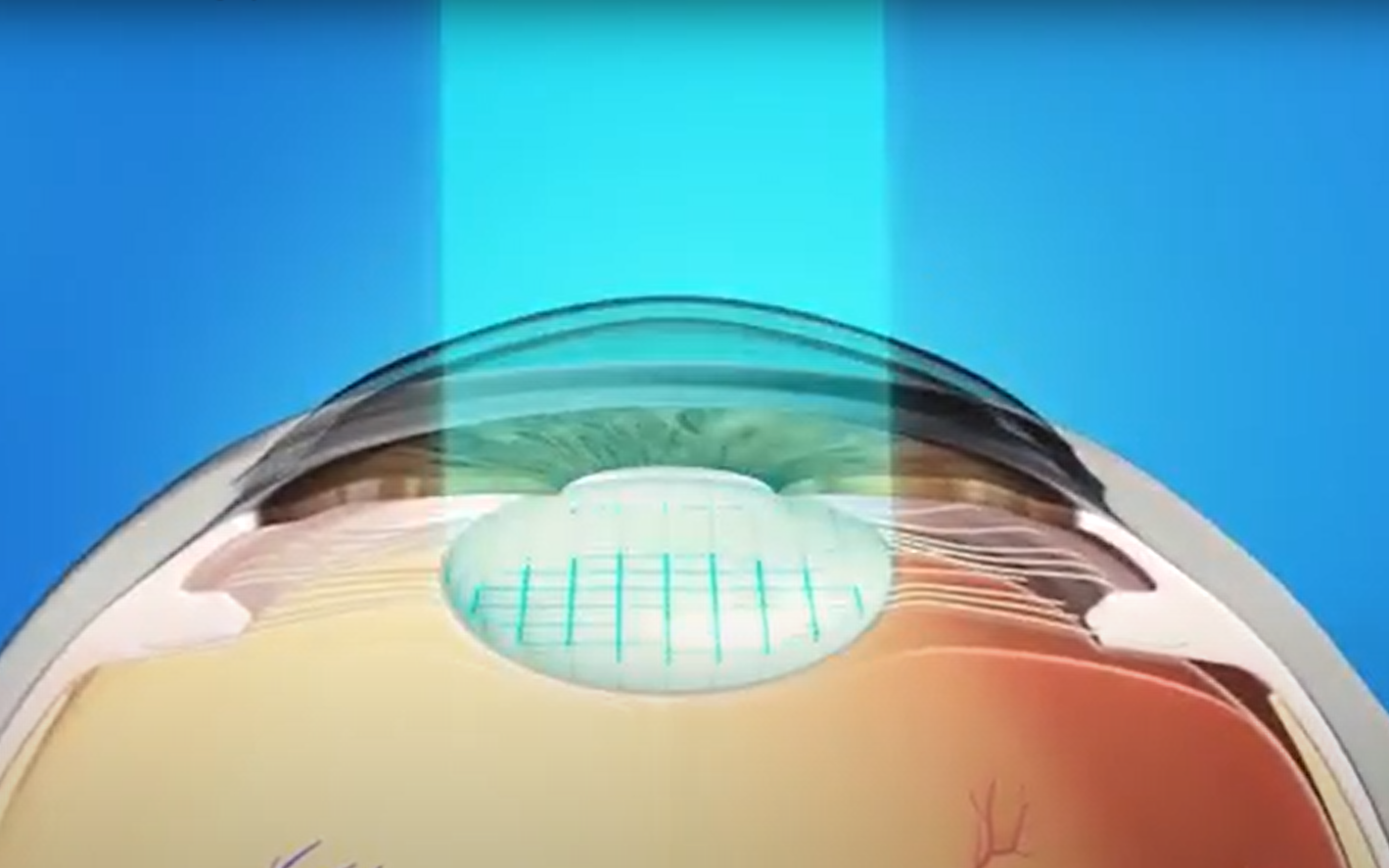 Patients often ask about laser cataract surgery. They want to know what the advantages and disadvantages of this technology are, what the difference is between surgery by this method and the manual method, and which stages of the surgery are actually performed by the laser. In this article we will try to give a detailed overview of laser cataract surgery and to compare it with surgery by the manual method.
When was the first laser cataract surgery performed?
Short answer: 2009.
The first report of a person who underwent cataract surgery was in the year 2009. Since then, studies that report on the results of this method began with small case reports, progressed to case series and finally developed into large randomized controlled trials.
Does laser cataract surgery have advantages over the manual method?
Short answer: it is controversial.
An early editorial in the year 2011 heralded the arrival of the technology. At the time, reports on the use of laser cataract surgery were only beginning to find their way into the professional literature. The editorial predicted that only time would tell whether this technology would catch on or not. Another editorial in the year 2017 cast doubt on the role and advantages of laser cataract surgery, claiming that the advantages were only theoretical and that there was no unequivocal evidence of advantages in terms of final visual acuity after surgery. During the last four years, new studies began to emerge that tried to answer the question of whether laser cataract surgery has an assured place in routine cataract surgeries.
The first prospective randomized trial of the current technology was recently published in the year 2019. The name of the study is "Femtosecond Laser-assisted Cataract Surgery versus Phacoemulsification Cataract Surgery" or by its short name FACT. The FACT study was published in the year 2020 and also included the option of toric lenses (lenses that correct cylinder). In the year 2020 a large meta-analysis was also published that included randomized controlled trials and compared laser cataract surgery with manual surgeries. In this article we will go over the various studies published in recent years and try to answer the question of whether there are advantages to performing laser cataract surgery. For this purpose we will go over various parameters for measuring the surgical result such as: visual acuity, refractive results, corneal recovery, phaco energy, macular edema after surgery, learning curve, costs, anterior capsule complications and posterior capsule complications.
Is visual acuity better after laser cataract surgery?
Short answer: there is no evidence that it leads to better vision or a smaller refractive error after surgery.
Visual acuity and final refractive result are the most important outcomes when it comes to patient satisfaction. Three randomized controlled studies found that there is no advantage in terms of long-term visual acuity when using laser cataract surgery. The most recent meta-analysis published in the year 2020 showed that a subgroup analysis from these studies indicated better uncorrected visual acuity in the intermediate range (six months after surgery), but there was no difference in the results in the long range (over 6 months).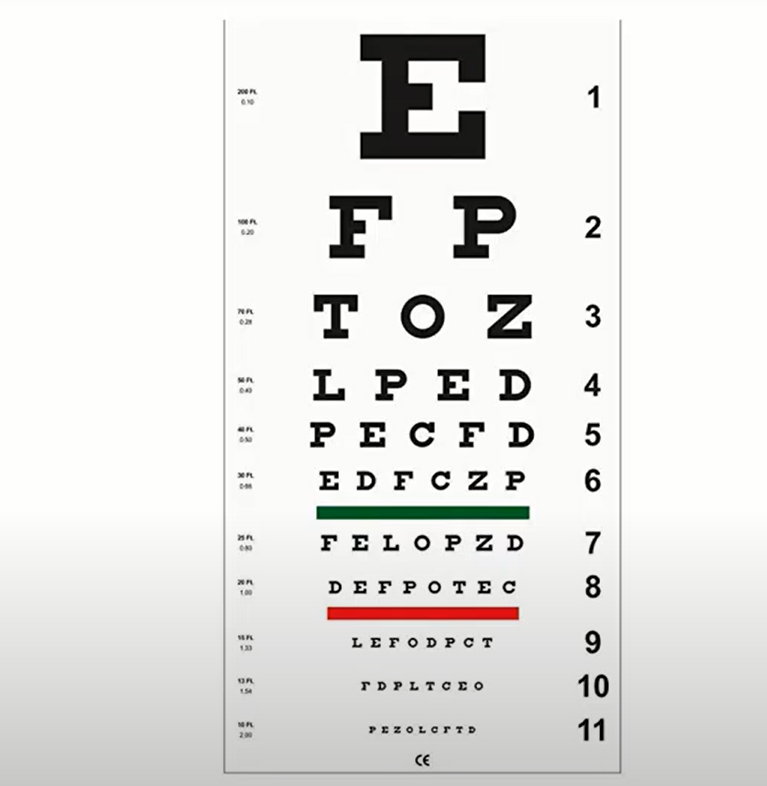
The difficulty in reporting visual acuity results was highlighted by the FACT study, in which the surgeon could decide whether to implant a toric lens in patients or to perform astigmatic keratotomies (incisions in the cornea). Previous studies did not always address the use of toric lenses and allowed each participating center to use a different brand of intraocular lens. A large retrospective study conducted on 1838 eyes found that the strongest predictor of success of refractive results was found in those eyes that received a toric lens, with less pre-surgical astigmatism and those with an eyeball length between 22 and 24.8 mm. There was no difference between patients who underwent laser cataract surgery and those who underwent the manual method. Therefore it is difficult to demonstrate any improvement or even to compare the two methods due to differences in the case mix, follow-up times, corneal astigmatism and the use of toric or non-toric lenses in the various studies.
Is lens centration better after laser cataract surgery?
Short answer: laser cataract surgery leads to better centration of the lens compared with the manual method.
There was a thought that by performing a more complete and precise circular capsulotomy (an opening in the anterior capsule) there would be less lens tilt and better centration of the lens and as a result better vision. The most recent meta-analysis determined that there are significant advantages to laser cataract surgery with regard to creating a round capsulotomy. However, the roundness did not lead to better vision in the long term. Furthermore, less contraction of the anterior capsule after laser cataract surgery may not have made a lasting difference in vision in the past but may do so in the future. In 2012, a randomized controlled study used Scheimpflug imaging to show that laser cataract surgery led to better lens centration and less tilt one year after surgery.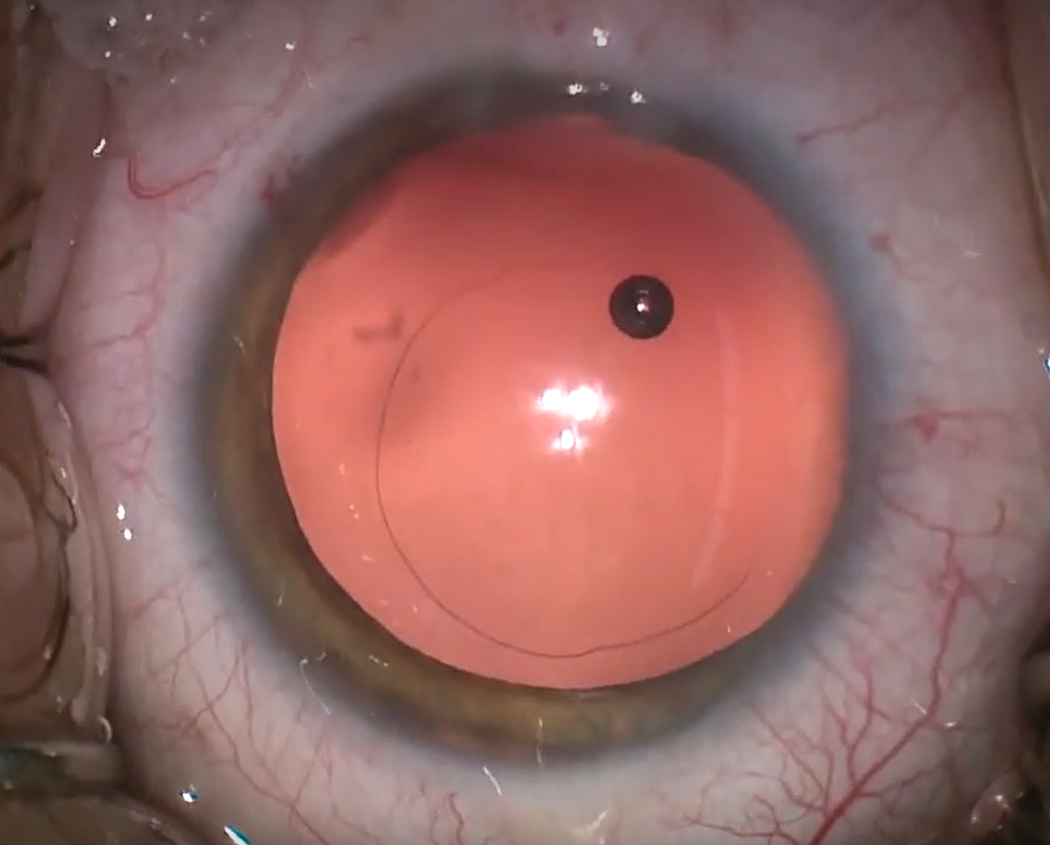 At the end of 2020, OCT-type measurements of the anterior segment of the eye showed that incomplete overlap between the anterior capsule and the optical part of the lens did not lead to increased tilt, but resulted in poorer centration of the lens. This may have an effect on multifocal lenses, extended depth of focus lenses and toric lenses that rely on the precise position of the lens. In these cases, non-optimal centration of the lens may lead to impairment of the quality of vision. A decrease in lens tilt may also explain the decrease in rates of secondary cataract and a decrease in YAG capsulotomy after laser cataract surgeries. An additional advantage of a round capsulotomy of a predetermined size is that it allows anterior optic capture with haptics positioned in the sulcus if needed. Therefore, the combination of the above may spur an experienced surgeon to use the laser cataract surgery method when using a multifocal lens.
Is corneal recovery faster after laser cataract surgery?
Short answer: controversial. There may be an advantage to the laser in shallow anterior chambers.
The question of whether laser cataract surgery brings about faster healing of the cornea has not been answered unequivocally. Two recently conducted studies indicate that there is no benefit with regard to corneal edema after surgery (one month after surgery). A recent meta-analysis concluded that less phaco energy during surgery leads to less damage to the cornea, and this is an important finding in the long term. A recently conducted prospective study showed that laser cataract surgery is safer in eyes with shallow anterior chambers (less than 2 mm depth).
Is less phaco energy used in laser cataract surgery?
Short answer: it is not clear whether laser cataract surgery reduces the amount of phaco energy.
There was a thought that laser cataract surgery would reduce the force needed to remove the nucleus (the cataract). In the past, two randomized controlled studies suggested that this may not always be the case and that the energy used is similar between using the laser and the manual method. However, a recent meta-analysis concluded that less energy is used to break up the lens nucleus when the surgery is performed with the aid of a laser.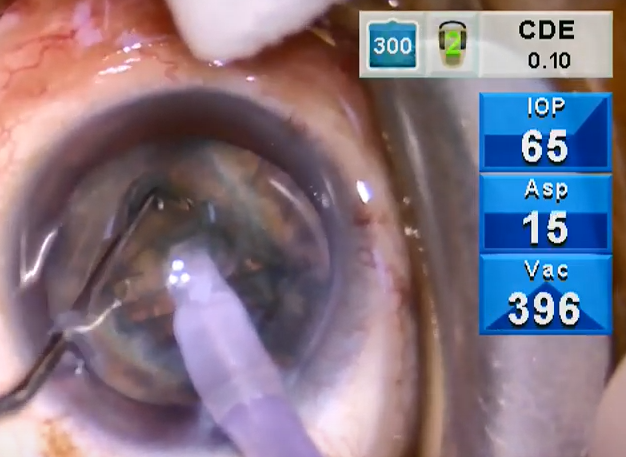 It is difficult to answer this question because different surgeons use different methods for different cases.
Is there less chance of macular edema after laser cataract surgery?
Short answer: laser cataract surgery does not reduce the chance of macular edema.
It seems that on this question there is already fairly decisive evidence. First studies at the beginning of the use of the laser found that there was no difference in the incidence of macular edema after laser cataract surgery compared with the manual method. Since then, meta-analyses have also been published that reached the same conclusion.
Does the use of the laser reduce the learning curve of cataract surgery compared with the manual method?
Short answer: the surgical method must be adapted to the laser. It is advisable that a surgeon perform at least 10-30 cases with the aid of a laser under supervision before performing independently. The chances of a posterior capsule tear are similar to the manual method. In fact, complex cases (a non-dilating pupil, unstable zonules and so on) can benefit from the use of the laser.
The learning curve with respect to performing laser cataract surgery is bidirectional in that the surgeon needs to learn how to use the laser and become familiar with the settings, as well as to adapt his surgical method accordingly. There are stages that the surgeon needs to be aware of because the cortex of the capsulotomy was disrupted and there may also be gases within the cataract material or behind the cataract.
The group of Bali were the first to publish results with respect to the first 200 eyes that underwent laser cataract surgery. They identified that the presence of gas behind the cataract after performing the laser in cases of a dense cataract may lead to a "blowout" of the posterior capsule when performing hydrodissection. The simple maneuver of allowing the gas to pass forward, or sweeping under the capsule with a cannula before performing hydrodissection, solved this problem. Those surgeons had no further case of posterior capsule blowout in another 9766 cases. The development of surgical methods and upgrades in the software of the laser also contributed to a reduction in the incidence of posterior capsule tear from 7% (at the beginning of the use of the laser) to 0.3% (today).
A randomized controlled study reported by the group of Roberts required the surgeons to complete 30 cases of laser cataract surgery in order to participate in the study. The FACT study required the participants to perform 10 laser cataract surgeries in order to participate in the study, and in this study, the percentage of posterior capsule tears was 0% in both groups (laser and manual). This is in complete contrast to the results of the FEMCAT study, in which software of the previous generation was used (in the laser device) in which an incidence of 1.4% of posterior capsule tears was reported. As noted these are high numbers compared with recently published studies with upgrades in the laser and in techniques.
The FEMCAT study stopped recruitment in the year 2015 and the results of the study, although interesting, were not reproduced in later studies using newer software. Sixteen percent of the patients who were randomized to the laser cataract surgery group did not receive laser cataract surgery for various reasons: technical failure of the laser, small pupils or an inability to fix a suction ring. This number is three times higher than that of later mature randomized studies in which updated software of the laser was used. The researchers did not report whether these factors existed before and after the software upgrade (August 2014) which occurred in the middle of the study period. In the FEMCAT study they included patients with relatively healthy eyes and did not include eyes with a history of systemic alpha blockers, instability of zonules or with pupils smaller than 6 mm. Today it is believed that precisely these challenging cases are probably the patients who will derive the most benefit from the use of the laser. In the year 2021 the authors of the most recent meta-analysis noted that "even in the first cases of laser surgery, complications rarely occur."
Does the cost of laser cataract surgery justify its use?
Short answer: using the laser raises the price of the surgery. It may be justified in premium lenses (because of better lens centration) and in complex cases.
Laser cataract surgery is without doubt more expensive than the manual method. The FEMCAT study showed that laser cataract surgery was more expensive and did not lead to better corrected visual acuity in monofocal lenses. Note, the study did not explain why their surgeon who uses the laser cost 1.5 times more than a surgeon performing manually (66.8 € versus 45.1 €) and also why their anesthesiologist cost 1.44 times more in laser cases compared with cases performed manually (57.1 € versus 29.1 €). As noted, if a multifocal lens is used, there may be an advantage in lens centration compared with the manual method. In addition, more complex eyes may benefit from the use of the laser compared with the manual method.
Are there fewer anterior capsule tears in laser cataract surgery?
Short answer: the rates of anterior capsule tears in laser surgery are similar to the manual method after software updates.
The most recent meta-analysis indicated that although anterior capsule tears occurred more with laser cataract surgery, there were no differences in terms of complications such as unplanned vitrectomies and also no differences in long-term visual acuity.
At the beginning of the use of the laser, high percentages of posterior capsule tears were reported. For example, in 2014 an incidence of 1.87% (15/804) was reported. Subsequently a prospective study was conducted that compared the capsules of patients in whom one eye was treated with the laser and the other manually. The breaking force and the tension of each capsule were measured, and in addition a scan was performed by means of a scanning electron microscope in order to determine whether defects exist.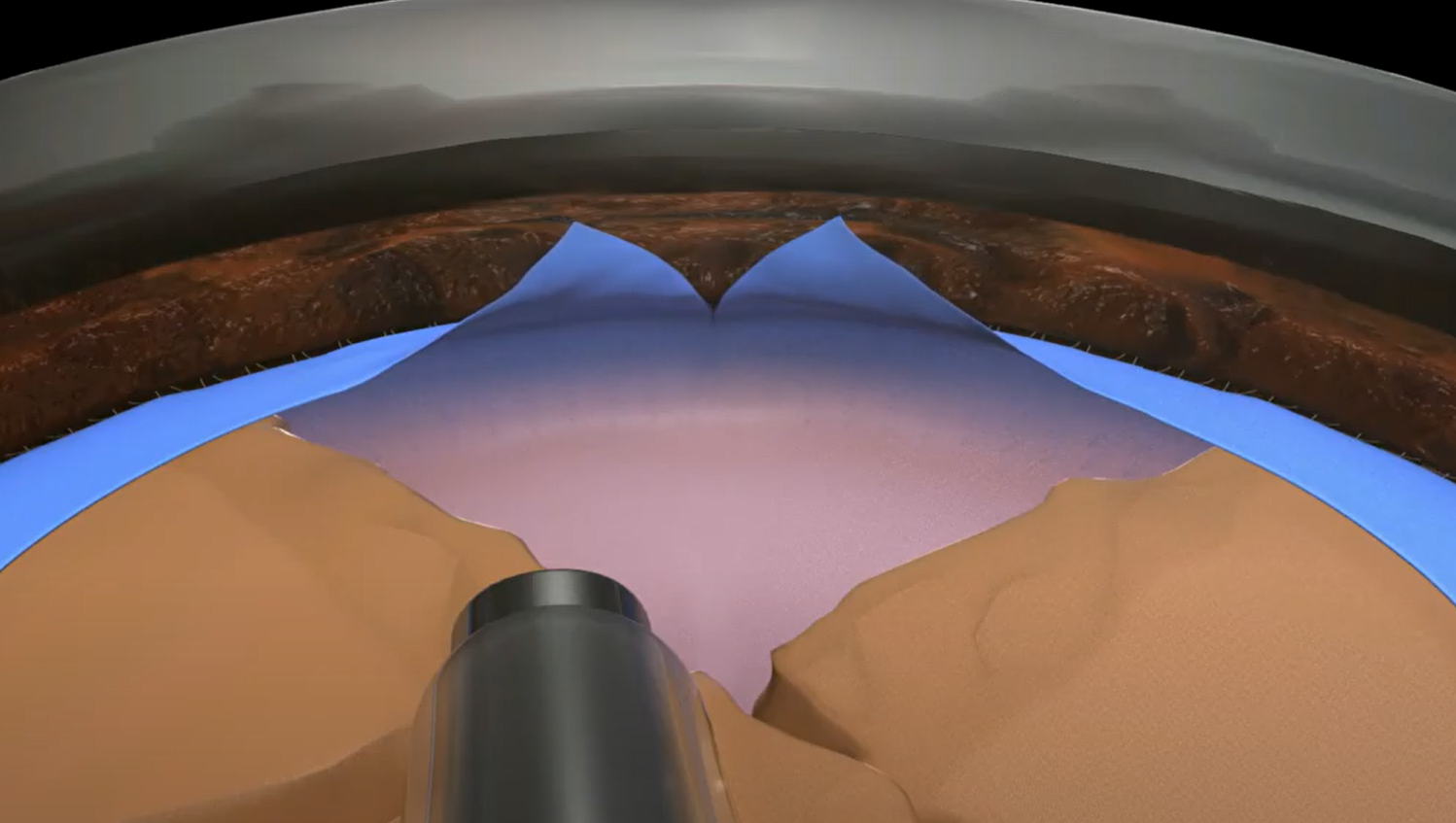 It was found that the capsulotomies created by the laser were as strong as manual capsulotomy and similar in appearance. In the same year another group identified an improvement in the quality of the cut and a reduction in the number of tags in the capsules after updating the software settings of the laser. They found that by increasing the vertical spacing (one of the settings of the laser) it is possible to reduce the incidence of tears in the anterior capsule (10, 15 and 20 micron vertical spacing provided anterior capsule tear rates of 0.79%, 0.35% and 0.09%, respectively).
As noted, the most recent meta-analysis conducted in the literature from December 2017 to January 2019 was unable to find a statistically significant difference in complications/tears of the anterior capsule in the comparison between laser cataract surgery versus manual.
Are there fewer complications and tears in the posterior capsule in laser cataract surgery?
Short answer: there are fewer chances of a posterior capsule tear in laser cataract surgery compared with the manual method.
In 2015 it was reported that in laser cataract surgery there was a reduced risk of a posterior capsule tear compared with the manual method. In addition, it was reported that 80% of surgeons had a lower incidence of posterior capsule tears using the laser (0.7%) compared with the manual method (1.18%). In 2016 a large study conducted on 7155 patients showed that switching from the manual method to laser cataract surgery led to a decrease in posterior capsule complications regardless of the surgeon's experience (from 1.17% to 0.65%).
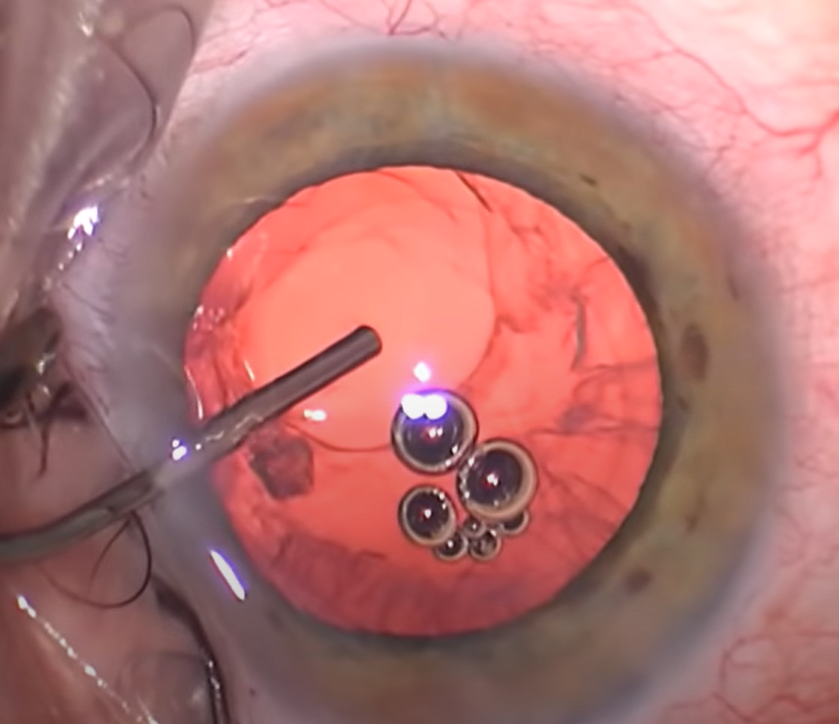 The final answer came after two mature randomized studies published in the years 2018 and 2020. There a "significant reduction in posterior capsule tears in the laser group" was reported. In fact, no cases of posterior capsule tear were reported in this group (0%) compared with 3% (6 out of 200) in the manual group. In the FACT trial published in the year 2020, there were no cases of posterior capsule tear in the laser group while a rate of 0.5% (2 out of 392) was reported in the manual group. Therefore, in a meta-analysis reported in the year 2020 it was concluded that the incidence of posterior capsule tears is lower using the laser compared with the manual method.
Conclusions regarding laser cataract surgery
In summary, there are advantages to laser cataract surgery compared with manual cataract surgery, such as higher accuracy in performing the capsulotomy which leads to better centration of the lens (which can be an advantage in premium lenses) and probably less damage to the surrounding structures. In addition, there is probably a reduced chance of posterior capsule tears using the laser compared with the manual method.
Have a question about your eyes? Want a specialist opinion?