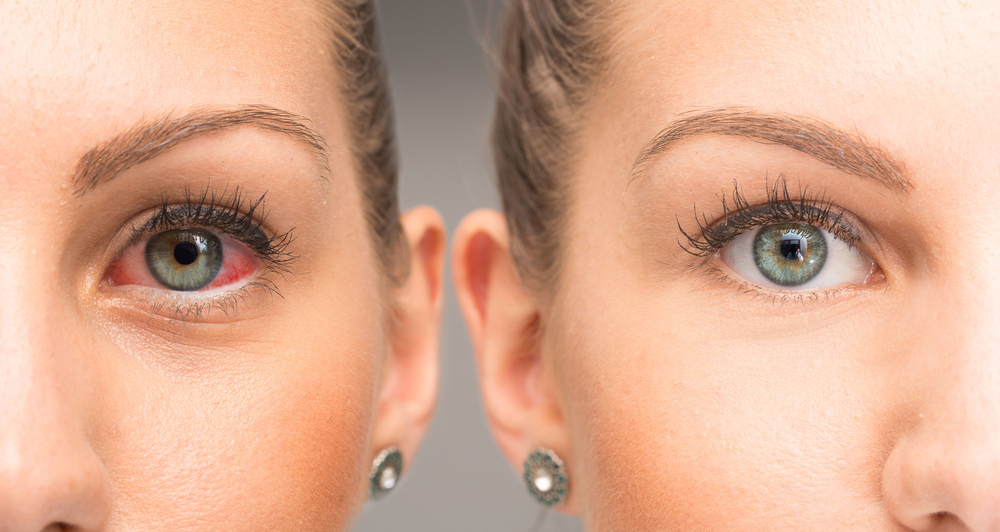
Dry eye disease is a common condition and occurs when the quantity or quality of tears is not optimal. Coping with the discomfort caused when suffering from dry eyes can be difficult and affects quality of life and even the quality of vision. Dry eye syndrome is a general term used to describe dry eyes caused by a decrease in the quality of tears or a decrease in tear production. The symptoms may include:
A sensation of itching, dryness, or pain in both eyes (the condition is usually bilateral but can affect one eye more than the other), redness, discharge from the eyes, increased sensitivity to light, eye fatigue, and blurred vision.
There are several potential factors that can cause dry eye. It is important to understand the cause when we treat the condition, otherwise the treatment is only symptomatic and the problem is likely to return. Often these are treatable causes or environmental factors that can be avoided. However, symptomatic treatment is also important and affects the daily life of patients, so a combination of treating the source of the problem alongside symptomatic relief is ideal. Among the risk factors for developing dry eye: advanced age, certain medications, various medical conditions such as Sjögren's syndrome and thyroid diseases, environmental factors (smoke, wind), contact lenses, and allergies.
When Is It Necessary to See an Ophthalmologist in the Case of Dryness?
If the dryness in the eyes is bothersome and impairs quality of life, it is advisable to consult a physician. Likewise, in any state of worsening of the sensation of dryness or of the accompanying symptoms such as redness and swelling, pain, discharge, and blurred vision, it is important to go get examined by the ophthalmologist. Dry eyes are usually a temporary and transient condition, and in many people it is the natural process of aging of the eyes. However, in certain cases dry eyes can indicate another condition, whether ocular or systemic, and therefore it is important to understand the basis of the problem.
Below are some lifestyle changes and natural treatments that can ease dry eyes, but as noted, they should be carried out alongside a doctor's examination and treatment with drops if necessary.
Dry Eyes: Natural Remedies
Avoiding environmental factors – Environmental factors are a common cause of dry eyes, for example sand, dust, and wind. Another important factor is cigarettes – cigarette smoke contains more than 7000 chemicals that can irritate the eyes and impair the quality of tears. The smoke significantly increases the risk of dry eyes, and if one already suffers from the condition, it leads to worsening.
Avoiding or reducing alcohol – Drinking alcohol can cause dehydration and affect the quality of tears.
Limiting screen time – One of the most common symptoms of digital eye strain is dry eyes. The average person blinks 12 times a minute, but when using a computer or other screens we reduce the blink frequency to only about 5 times a minute. As a result, the eyes remain without moistening for a longer time and dry out. In addition to dryness, the eyes tend to strain more, which causes headaches and migraines. It is recommended to take deliberate breaks from the screen frequently, to give the eyes time to rest and relax after focusing on a screen. You can use the 20-20 method: closing the eyes every 20 minutes for 20 seconds. Another method that can be used when in front of a computer screen for a long time is positioning the screen below eye level. This way, most of the time the eyes are half-closed, which slows the evaporation of tears between blinks.
Warm compresses – Our tears are composed of several layers: a mucinous, an aqueous, and an oily layer. Each of the three components has an important role, and if damaged, the function of the tear is also impaired. When the eyelids are inflamed and scaling forms on them, there is a possibility that the oil glands will become blocked and lead to damage to the oily component – which will bring about a dry eye. In order to prevent a state of blockage of the oil glands or to release existing blockages, warm compresses can be used. You should moisten a clean cloth or towel in warm water (note that the water is not too hot so as not to cause a burn), wring it out and place it on a closed eye for a few minutes. When the cloth cools, dip it again in the warm water, wring it out, and repeat this action for about 5 minutes, 3 to 4 times a day. You can gently press on the edge of the eyelid with the finger to help squeeze the glands and release oils of a hard texture that block the gland. The heat and moisture help to soften and thereby release the oils. Warm compresses can help treat chronic eyelid inflammation even after the sensation of dryness has passed.
Eye massage – There are many benefits to a gentle eye massage: relief of a feeling of tension, improvement of blood flow, and relaxation of the muscles. Although there is no direct contact with the eye, stimulating the areas surrounding the eye can affect eye sensations and encourage tear production.
Maintaining eyelash and eyelid hygiene – Keeping the eye area clean is essential for protecting eye health. It can prevent the accumulation of bacteria that may cause various eye diseases such as a stye, blepharitis, or conjunctivitis. Blepharitis is an inflammation of the eyelids (usually chronic) caused by blocked or contaminated oil glands. As noted, blepharitis is a very common cause of dry eyes. You can place a little baby shampoo on the fingertips and gently massage the eye while it is closed, focusing especially on the bases of the eyelashes. You can also use dedicated wipes for cleaning the eyelashes, which can be obtained at any pharmacy and without a prescription.
Balancing blood sugar levels – Especially important if the patient suffers from diabetes. Diabetes can cause damage to the eyes due to limited blood flow throughout the body. The nerve damage may include the tear glands and lead to deficient tear production – and as a result to dry eyes. Maintaining a healthy lifestyle such as proper nutrition and regular physical activity can help control and balance sugar levels, and if necessary drug treatment according to the instructions of the treating physician. This reduces the risk of developing nerve damage over time and improves the symptoms of dry eye.
Good sleep – Sleep is essential for the health of the body and mind and allows the eyes to be closed for a long continuous time, giving them protection and rest. Sleep is healthy and beneficial for many functions of our body: it reduces stress, allows building and repair, memory, heart health, metabolism, energy levels, cognitive skills, and assists the immune system. When dry eyes result from an immune disorder, sleep helps dry eyes by regulating inflammation. The recommended number of hours of sleep varies according to age and health condition, for example when ill more sleep is needed, and so too in childhood and adolescence. Among adults, on average 8 hours of sleep are needed for optimal functioning.
Maintaining hydration and drinking plenty – Every part of our body needs water in order to stay healthy, including the eyes. Although water is not the only component that makes up tears, it is significant and makes up 98% of tears. (2% oily, 1500 types of proteins) Drinking a glass of water helps maintain the moisture of the eyes. Our body has a thirst mechanism that encourages drinking water when we become dehydrated, so you can be sure to drink water even if you do not feel thirst and get ahead of dehydration. You should aim for eight to ten glasses of water during the day, but this recommendation varies according to health condition (for example when there is fever, more hydration is needed), activity level, and of course the environment our body is exposed to. If you do not like water, you can instead drink any other beverage that does not contain alcohol or caffeine (it is of course recommended to avoid drinking sweetened beverages); foods rich in water such as cucumber and watermelon also affect the water balance in our body. One of the ways to know the state of hydration in our body is examining the shade of the urine – if it is colorless or light yellow, hydration is probably good. It is important to note that excessive water drinking is also harmful to our body, and it is advisable to consult with the family doctor about adjusting hydration.
Humidifiers – If the room is dry, it can affect the moisture of the eyes and encourage increased evaporation of tears. A humidifier adds moisture to the air and can ease symptoms caused by dry eyes. A humidifier can help with other health problems related to dryness, among them dry skin, dry cough, nose irritation, dry throat, headache, and sinus congestion.
Fatty acids – omega-3 – Salmon, tuna, or sardines, for example, all contain omega-3 fatty acids. Studies indicate that these healthy fats help the oil-producing glands in the eyes work better, which can ease the sensation of dryness and delay the evaporation of tears from the eyes. There are additional foods naturally rich in omega-3 oils, among them walnuts, vegetable oils (such as canola oil and soybean oil), flaxseeds, and chia seeds. If you do not get enough omega-3 from food, you can take it artificially in pills. You should consult with the family doctor before starting to take dietary supplements, since they may affect existing health conditions or conflict with essential drug treatment.
Glasses – Using glasses – sunglasses, vision glasses, or sports glasses – is an excellent option for protecting the eyes. The glasses can prevent particles or substances that may irritate the eyes (for example dust, wind, cleaning agents, pollen, and more) from reaching them and worsening the sensation of dryness in the eyes. Sunglasses protect the eyes from UV radiation and reduce glare.
Another important therapeutic option for dry eye is the use of eye drops. Lubricating drops, also called artificial tears, can help treat the discomfort caused by dry eyes. They do not solve the problem but assist in symptomatic treatment. These drops provide moisture and relief to eyes that are dry due to temporary causes such as fatigue or being in a dry climate.
Artificial tears can be bought without a prescription at pharmacies. There are many types of drops on the market, and it is important to be careful to use drops that do not contain preservatives (and therefore they should be kept in the refrigerator after opening). You can consult with the ophthalmologist regarding the type of tears recommended personally and experiment with different drops until finding the ideal drop. If the eyes are very dry, there is an option to use a lubricating ointment or gel, which provide more moisture to the eyes and allow longer-lasting relief. However, it is recommended to use the ointments and gels before sleep because they may cause transient blurred vision a short time after use.
Lubricating drops allow the addition of elements that exist in tears naturally and allow protection of the eyes. If after use itching, swelling, difficulty breathing, or a sensation of dizziness appear, you should stop using the drops and see a physician. An allergic reaction to eye drops is not common, but you should recognize the signs and act accordingly if they appear.
In summary, changing the lifestyle in combination with natural treatments and lubricating drops are the first steps in treating dry eye disease, alongside diagnosing and treating the source of the problem.
Have a question about your eyes? Want a specialist opinion?