Dry eye
Dry eyes (dry eye) (dry eye disease)
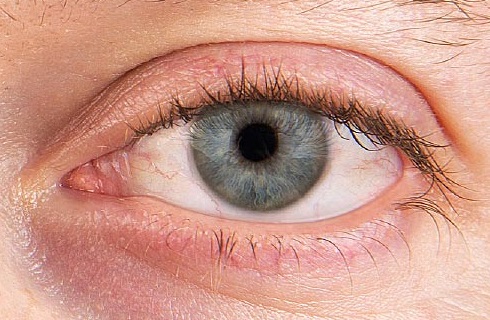 Definition of dry eyes – Dry eyes or dry eye (dry eye disease) is one of the most common ocular pathological conditions. According to the International Dry Eye Workshop, the definition of dry eyes is "a disease resulting from multiple factors of the tears and the outer eye surface that leads to symptoms of discomfort, disturbances in vision, and instability of the tear film with the potential for damage to the outer surfaces of the eye".
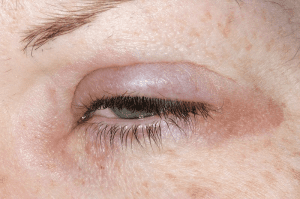
Swollen eyelids – swollen eyes
Swollen eyelids – why does it happen? Do your eyes look swollen? When fluid accumulates in the layers of the thin tissue surrounding your eyes, you may develop swollen eyelids. But when is this a cause
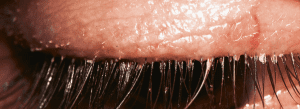
Blepharitis (eyelid inflammation)
Blepharitis – key concepts about blepharitis. Blepharitis (eyelid inflammation) is a common disease with the potential to significantly change quality of life but is often ignored. Blepharitis can result from an acute infection on

Eye drops for dryness
What are dry eyes? The outer area of the eye is constantly moistened with tears. This moisture is essential for keeping the eye surface clean of debris and bacteria, which makes it essential for maintaining eye health.

Warm compresses for the eye – the primary treatment for eyelid inflammation
Warm compresses for the eyes. The treatment of eyelid inflammation and meibomian gland dysfunction (Meibomian Gland Dysfunction) includes eyelid hygiene, systemic antibiotics, antibiotic and anti-inflammatory drops and treatment of accompanying conditions. The mainstay of the treatment
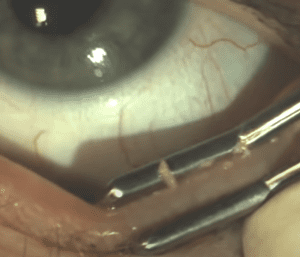
Swelling in the eyes
Swelling in the eyes – when to worry. It is important to distinguish between bulging eyes (exophthalmos), which may be caused by overactivity of the thyroid gland, and swelling in the eyes, which is the result of excess fluid accumulating around
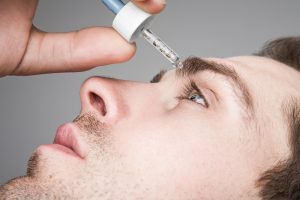
Antibiotic eye drops
Alongside the eyes being an important tool for functioning, they are also delicate organs sensitive to infections and various diseases. When eye inflammations affect them, antibiotic eye drops can play a crucial role in restoring and preserving health
Dry eyes are accompanied by increased osmolarity of the tear film and inflammation of the outer eye surface. Epidemiological studies in the United States showed an estimated prevalence of 0.4-0.5% in total, with an increased prevalence among women and the elderly. It is possible that the prevalence is even higher, but many people are undiagnosed because their symptoms are less severe or appear intermittently under certain conditions (low humidity, contact-lens use, prolonged work at a computer and so on). Therefore, dry eyes is considered a significant problem in terms of public health, with direct and indirect economic implications for patients and the population as a whole.
Despite abundant literature on the subject and attempts to broaden the knowledge of all practitioners on the subject, there are many clinicians who still hold mistaken views about the pathology, presentation, diagnosis and treatment of dry eye.
There are 5 outdated concepts that are no longer considered correct:
(1) "Dry eye is a synonym for a subtype that results from underproduction of tears"
not correct, because there are several different causes and each requires a different approach.
(2) "Dry eyes is based on classic symptoms only"
not correct, because there are different signs and symptoms for different patients.
(3) "There are no significant consequences or vision disturbances with dry eyes"
not correct, because there is a common phenomenon of vision disturbances, and states of severe and persistent dryness in the eyes can lead to irreversible damage to the cornea.
(4) "Great variability in objective signs and symptoms constitutes a problem for clinicians to treat dry eye on a daily basis and to research the phenomenon"
not correct, because there are clinical or research tools and means that make it possible to diagnose dry eyes (and the subtype) fairly accurately and to treat accordingly.
(5) "Dry eye is mainly a problem of the elderly"
not correct, because despite the increased prevalence there are quite a few young people (including small children) who suffer from dryness.
Pathophysiology of dry eyes
Preserving a comfortable and healthy outer eye surface requires stability and renewal of the tear film. Dry eyes is a multifactorial disease (multiple factors), and changes in the volume, composition, distribution and/or clearance of the tear film can cause a surface disease that expresses itself as dry eye. Two global mechanisms that reinforce each other, hyperosmolarity of the tears and instability of the tear film, have been identified. All the subtypes of dry eyes activate these damaging mechanisms.
Hyperosmolarity of the tears is considered the central mechanism leading to inflammation of the outer eye surface, to damage, to symptoms and to the initiation of compensatory mechanisms in dry eye. This can result from reduced production of tears, excessive evaporation of the tears, or a combination of the two. Hyperosmolar tears can damage the epithelium of thecornea and conjunctiva by activating an inflammatory process in the epithelial cells, causing the release of inflammatory mediators, cytokines (for example IL-1α, IL-1β, TNF-α) and MMPs derived from or activating inflammatory cells on the outer eye surface.
These inflammatory events cause apoptotic death of the epithelial cells of the outer eye surface and goblet cells. In addition they can also cause dysfunction of tear production. Instability of the tear film is another event that can arise secondary to hyperosmolarity or can be an event that leads to it (for example disturbances in the lipid layer in meibomian gland disease (Meibomian gland disease)). Instability of the tear film causes increased evaporation, which contributes to the phenomenon of hyperosmolarity of the tears.
The role of inflammation in dry eye
Regardless of the cause, inflammation is usually a key factor in perpetuating dry eyes. Chronic inflammation can cause failure of the tear gland, a decrease in corneal sensation (due to long-term effects of inflammatory mediators on sensory nerve terminals supplying the eye surface), morphological changes in the sub-basal nerve plexus and reduced reflex activity of tearing and blinking.
These results of a prolonged inflammatory process can cause increased evaporation of the tears and instability of the tear film. These interactions, occurring over time, may explain the overlap of findings in dry eyes that appear regardless of the underlying etiology, and reinforce the explanation of a destructive cycle (vicious cycle) in which many varying effects combine to cause dry eye.
Classification of dry eyes (subtypes) by cause
Classically, dry eyes can be classified into main subtypes according to etiology (cause): underproduction of tears (aqueous tear-deficient dry eye) and increased evaporation of the tears (evaporative dry eye). Clinically, the division between these two subtypes is less sharp and clean, and in both subtypes there is activation of a final common pathway leading to hyperosmolarity of the tears, inflammation and instability of the tear film.
Underproduction of tears (aqueous tear deficient dry eye)
The subtype of underproduction of tears can be divided into two: underproduction of tears resulting from Sjogren's Syndrome and underproduction not resulting from Sjogren.
Dry eyes on the background of underproduction secondary to Sjogren (Sjogren syndrome dry eye)
Sjogren's syndrome is an exocrinopathy in which the salivary and tear glands, as well as other organs, are damaged as a result of an autoimmune process. This is the second most common autoimmune disease (after rheumatoid arthritis), especially among women (women represent 95% of patients), usually in the fourth and fifth decade.
In this disease, idiopathic inflammatory activity (unknown cause) within the tear and salivary glands causes the expression of self-antigens on the outer side of the epithelial cells. Activated T-type inflammatory cells progressively infiltrate the glands and cause destruction of the structure and function of the glands and underproduction of saliva and tears.
This underproduction is aggravated by a neurological block (neurosecretory) resulting from the effects of inflammatory cytokines and antibodies directed against muscarinic receptors within the glands themselves. That is to say that the gland itself is damaged and also the mechanism that is supposed to activate it is damaged. Some of the central criteria for diagnosing Sjogren's syndrome require objective findings including characteristic damage demonstrated in a biopsy of the salivary gland or characteristic autoantibodies against antigens such as SS-A or SS-B.
There are two forms of Sjogren, the first is primary (without evidence of a systemic connective-tissue disease) and the second is secondary, which includes additional manifestations of a systemic disease as seen in rheumatoid arthritis (rheumatoid arthritis) or lupus (lupus).
The exact causes leading to autoimmune damage in the glands are not fully known, but the risk factors include: a genetic profile/genetic predisposition, an androgenic state (low androgen promotes an inflammatory environment in the target tissues), and environmental exposure ranging from polluted environments to viral infections such as the herpes strain or the Coxsackie strain (herpesvirus, Coxsackieviruses) or viruses that can mimic a state of Sjogren such as HIV, hepatitis C or HTLV-1.
Dry eyes on the background of underproduction not on the background of Sjogren
Dry eye syndrome not on the background of Sjogren is a form of underproduction of tears due to dysfunction of tear production after the systemic autoimmune features of Sjogren have been ruled out. The most common form is the dry eye associated with older age. The various forms of underproduction not on the background of Sjogren include: primary disorder of the tear gland, secondary disorder of the tear gland, obstruction of the tear gland, underproduction on the background of reduced reflex.
Underproduction of tears on the background of a primary disorder in the tear gland
The dry eye associated with age: it is an onset of increased prevalence of pathology in the ductules of the gland that appears with age and may lead to dysfunction of the tear gland through an obstructive effect. These age-related changes include inflammation, fibrosis around the ductules, damage to nourishing blood vessels and atrophy of cells in the gland.
Another factor contributing to the age-related symptoms is changes in sex-hormone levels, especially a physiological decrease in androgens and/or an increase in estrogen due to hormone replacement therapy (hormone replacement therapy). Studies have demonstrated that androgens are required for normal functioning of the tear gland and the meibomian glands; in addition, symptoms of dry eyes increase when androgen receptors are blocked.
Several studies indicate that androgens have a beneficial effect on the function of the tear gland and the meibomian glands, and estrogen may aggravate dry eye syndrome. It should be noted that women, after menopause, who use hormone replacement therapy have a higher prevalence of dry eye syndrome than those who never used this treatment.
Congenital alacrima (congenital alacrima): rarely, the tear gland may be absent or hypoplastic (undeveloped), or the innervation that is supposed to activate it may be defective. The most common congenital condition associated with alacrima is familial dysautonomia (familial dysautonomia) or Riley-Day syndrome, a syndrome in which a decrease in tear production may be secondary to abnormal parasympathetic innervation of the tear gland. Patients with this condition produce a reduced amount of tears when crying and have an absence of the tear reflex in response to stimulation. Histologically, the tear glands are completely normal.
Underproduction of tears on the background of a secondary disorder in the tear gland
Infiltration of the tear gland: production of tears by the gland may fail because of infiltration of the gland as seen in diseases such as sarcoidosis, lymphoma, hemochromatosis and amyloidosis. In graft-versus-host disease (graft versus host disease) there are also signs and symptoms of dry eyes, and studies showed that patients with this disease uniquely demonstrate a decrease in tear turnover as a result of damage to the tear gland and in addition suffer from damage to the meibomian gland.
Dry eye can also develop in patients with systemic viral infections such as EBV, HTLV-1 and HIV. Up to 20% of patients with AIDS suffer from dry eye, when in this condition there is infiltration only of CD8-type T cells in the tear gland (without CD4-type cells). Patients with hepatitis C (hepatitis C) can develop an autoimmune disease with a clinical picture resembling Sjogren. Therefore, certain infections may be a risk factor for the appearance of inflammation in the tear gland and subsequently the appearance of dry eye on the background of underproduction of tears.
Underproduction of tears on the background of obstruction of the tear gland
Obstruction of the ducts of the tear gland leads to dry eye on the background of underproduction of tears and may be caused by any form of cicatrizing conjunctivitis. In these disorders, it is not rare for scarring of the conjunctiva to cause obstruction of the meibomian glands on the background of scarring (cicatricial obstructive meibomian gland disease).
In addition, disorders in the normal structure of the eyelid impair normal distribution of the tear film and in certain cases can cause keratopathy on the background of exposure (exposure keratopathy). Examples of diseases that can cause these conditions include: trachoma (trachoma), mucous membrane pemphigoid (mucous membrane pemphigoid), Stevens-Johnson syndrome (Stevens-Johnson syndrome) and chemical injuries (chemical burn) and thermal injuries (thermal burn).
Underproduction of tears on the background of reduced reflex
Obstruction in the sensory reflex
: when the eyes are open, there is an increased sensory reflex resulting from exposure of the outer eye surface. A reduction in this sensory reflex may lead to dry eye in two ways: the first by reducing tear production induced by the reflex, and the second by reducing the blink rate, thereby increasing evaporation. Disturbance of the sensory reflex is most prominent in the following conditions:
Diabetes: diabetes has been identified as a risk factor for dry eye in several large studies. Subsequently, a connection was reported between poor glycemic control (based on HbA1C) and the frequency of use of tear substitutes. Studies found a decrease in tears in response to stimulation (Schirmer test) in insulin-dependent diabetics, but there was no difference in tear break up time (a measure of tear evaporation) or impairment in the basal production of tears (basal tear flow). It is possible that the risk is caused by sensory or autonomic neuropathy and/or the formation of microvascular changes in the tear gland.
Neurotrophic keratitis (Neurotrophic keratitis): a disturbance in the innervation of the anterior segment of the eye secondary to herpes zoster, dissection of the trigeminal nerve, injection or compression of the nerve, or due to toxicity may lead to neurotrophic keratitis. This condition is characterized by the appearance of indolent or ulcerative keratitis accompanied by symptoms of severe dryness (such as instability of the tear film and diffuse punctate epithelial erosions and loss of goblet cells).
Neurotrophic disease usually causes severe dry eyes in the following conditions: surgery for laser vision correction, limbal incisions in the cornea (limbal relaxing incisions) during cataract surgery. In addition, it has been reported that the use of cocaine and methamphetamine reduces sensation in the cornea and increases the chance of ulcers in the cornea on the background of neurotrophic keratitis.
Obstruction in the motor reflex
A connection has been shown between the use of systemic medications, especially those with anticholinergic properties, and dry eye. The mechanism of the damage is most likely by reducing tear production. In addition, it has been demonstrated that similarly the following medications can impair tear production: antihistamines, beta-blockers, diuretics, tricyclic-family antidepressants and SSRI.
Dry eyes as a result of increased evaporation (evaporative dry eye)
Dry eye on the background of a disorder in the meibomian gland (Meibomian gland dysfunction)
Dysfunction of the meibomian glands is a condition in which meibomian glands are blocked, which causes instability of the tear film, increased evaporation and changes in the outer eye surface due to a lack of the protective effect of the lipids (which are usually present in the tear film). This is in fact the most common cause of dry eyes as a result of increased evaporation and contributes to some extent to dry eyes in about 85% of people who suffer from signs or symptoms of dryness. It can be the first cause of dryness but also a result of dryness from any cause.
One can read more about meibomian gland disease here.
Dry eye on the background of increased exposure of the tear film (increased tear film exposure)
An increase in the exposure of the outer eye surface occurs in endocrinological diseases such as thyroid gland disorders, craniostenosis or any cause of proptosis (bulging eye). Thyroid gland disorders have been shown to be a cause of dry eye in about 60-90% of patients, most likely on the background of increased exposure and/or impairment in the function of the tear gland. Lagophthalmos (inability to close the eye completely), especially at night, is a common cause of tear evaporation and subsequently the appearance of dry eyes.
Reducing the blink rate causes an increase in the duration of exposure of the outer eye surface to evaporation, which leads to dryness on the surface of the eye. This may be a feature of an extrapyramidal disorder, such as Parkinson's disease, or occur as a physiological phenomenon during the performance of certain tasks requiring concentration, for example chronic viewing of a video screen, microscope or computer.
Prolonged use of a computer, in particular, most likely has a considerable effect on symptoms of dry eye (most likely more severe than reading the same text from a book). Therefore, the term "computer vision syndrome" was created to embody the common eye-fatigue syndrome that is expressed in symptoms of dry eye due to prolonged use of a computer.
Dry eye on the background of a disease of the outer eye surface (ocular surface disease)
A disease of the exposed outer eye surface can lead to abnormal wetting of the surface, instability of the tear film, hyperosmolarity of the tear film and dry eyes. This can appear in a chronic surface disease, such as allergic conjunctivitis, or for nutritional reasons such as a deficiency of vitamin A which impairs, among other things, the production of mucin. Topical treatments (eye drops) can also cause toxicity of the outer eye surface and secondary damage to the tear film.
The most common component in eye drops that aggravates or causes dry eye is benzalkonium chloride (benzalkonium chloride), which is a preservative that causes damage to the epithelial cells in the cornea and conjunctiva. Chronic use of drops that contain this substance is an important factor in symptoms of dry eye in some glaucoma patients.
Dry eye on the background of contact-lens wearers (contact lens wearers)
The main causes of intolerance of contact lenses are discomfort and dryness. In several studies, several factors were found to be associated with subjective dry eye in contact-lens wearers, including: thinning of the tear film, the water percentage in the lens, and the refractive index of the lens. Furthermore, the pre-lens lipid layer was thinner in patients who suffered from dryness. In addition, there was a correlation between thinning of the lipid layer and thinning of the tear film; therefore this thin lipid layer, together with disturbance in the wetting of the outer eye surface when wearing contact lenses, can explain the increased evaporation when wearing contact lenses.
Have a question about your eyes? Want a specialist opinion?