What Is a Congenital Cataract?
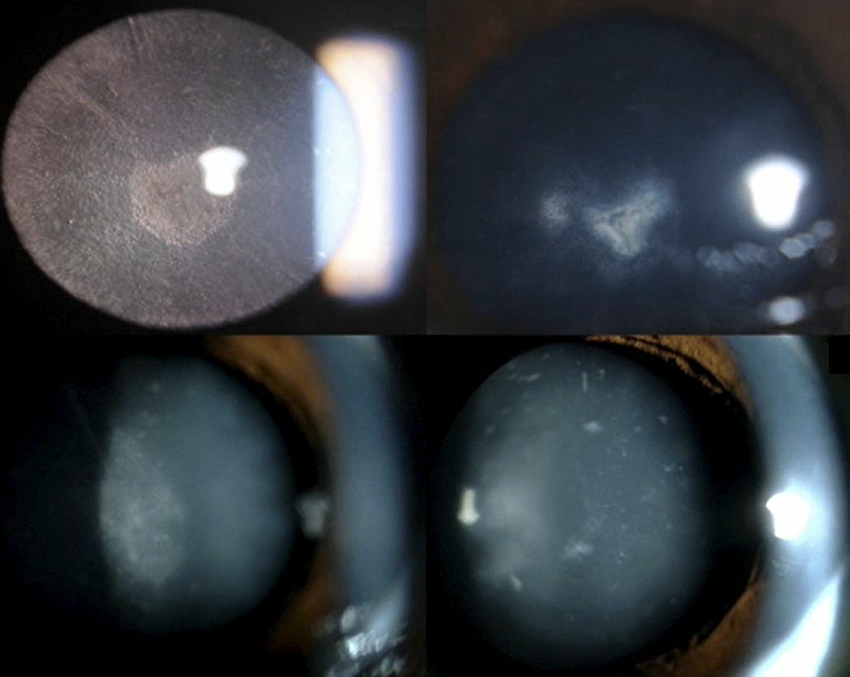
A congenital cataract is a cataract that is present when the baby is born or shortly afterward. A developmental cataract is a cataract diagnosed in older infants or children. A cataract occurs when changes in the eye's lens cause it to lose its transparency and become cloudy. The result is cloudy or blurred vision, halos around lights, and seeing colors as faded. The lens is the transparent structure located behind the pupil, and its role, together with the cornea, is to refract the light rays entering the eye. It allows light to reach the back layer — the retina, a layer that converts light into input the brain can process to create the image we see. Cataracts usually affect adults (age-related cataract) but can also appear in children, and one can even be born with one. Cataract in children and infants is not a common condition.
Symptoms of Congenital Cataract
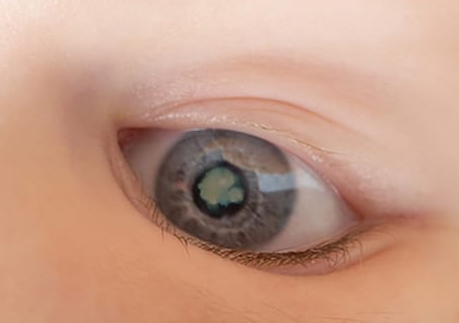
The cataract can involve one eye or both. Pieces of cataract (opacities in the lens) can grow over time and develop, resulting in worsening of the child's vision. Besides poor vision, cataract in children can also cause strabismus and “wandering eyes.” At a very young age it is difficult to identify signs of cataract in the infant. It is therefore important to keep to the routine eye examinations performed shortly after birth and again a few weeks later. If a congenital cataract is suspected during the newborn examination, the child will be referred to a specialist ophthalmologist within two weeks of the examination. Identifying a cataract quickly in children and infants is important, because early treatment reduces the risk of developing long-term vision problems. It should be noted that in adults, cataract occurs after the eyes and vision have developed, and most adults will have good vision after cataract removal. In contrast, children's eyes and brain are still developing until the age of 8 to 10 years, and the brain requires constant, high-quality stimulation from the eyes for development to proceed normally. Therefore, a cataract that is not treated at a young age can be serious and cause irreversible damage to vision.
What Causes a Congenital Cataract?
There are many causes of congenital cataract, originating in genetics and in the environment to which the fetus is exposed during its development: hereditary genetic predisposition, infection, a metabolic problem, diabetes, trauma, inflammation, or maternal drug use. For example, maternal use of an antibiotic called tetracycline during pregnancy can cause cataract in the newborn. A congenital cataract can also occur when, during pregnancy, the mother develops an infection such as measles, rubella (the most common cause), chickenpox, CMV or EBV virus, herpes, toxoplasmosis, and more. If the infection is identified during pregnancy, it is important to closely monitor the condition of the fetus, since there may be additional harm beyond the cataract. Similar causes can lead to cataract in children, but the most common cause in children is a blow to the eye. It is also possible that a child's cataract is actually a congenital cataract that was not identified earlier.
Is It Important to Treat This?
Without early intervention, a congenital cataract causes a “lazy eye.” This condition can lead to other eye problems such as nystagmus, strabismus, and an inability to focus on objects. Besides vision, these conditions affect learning ability and even the child's appearance, ultimately harming the child in many respects.
Most children who suffer from a congenital cataract will require cataract surgery performed by a specialist physician in the field, and the treatment will require a long-term strategy. During the surgery, the cloudy lens is removed and then a need arises to replace the focusing power of the removed lens. An artificial intraocular lens (IOL) can be implanted in its place, as is done in adult cataract surgery, but in children it is more common to use contact lenses or glasses after surgery to compensate for the focusing power.
Is a Lens Implanted During Congenital Cataract Surgery?
Opinions are divided regarding implanting an artificial lens in childhood, out of concern that the growth and development of the eye will be affected. It may also be necessary to replace the lens as the child grows, due to possible changes in vision, which requires follow-up surgeries and increases the risk of future complications. If the cataract was identified late or treatment was delayed and the child suffers from a lazy eye, correction may be needed. The strong eye will be covered in order to encourage and improve vision specifically in the weaker eye, if possible.
Cataract surgery is a safe and common surgery with very high success rates. However, like any procedure, it involves possible risks and complications. The most common risk is called secondary cataract (PCO), in which the back part of the lens capsule becomes cloudy and impairs vision in the same way the primary cataract did. This is not a return of the cataract on the lens but on the capsule surrounding it, and there is no need for repeat cataract surgery but rather a correction performed by laser in the clinic. Additional risks include glaucoma, retinal detachment, infection, and sometimes the need for additional corrective surgery.
Congenital Cataract — Additional Information
There is a widespread belief that cataract is a phenomenon that can occur only in the eyes of adults. This is a mistaken claim, since infants can be born with a congenital cataract or develop one during the course of development and growth. The symptoms of congenital cataract are similar to those of adults: clouding of the eye's lens, which can cause blurred vision and even blindness.
Normally, the eye's lens is located behind the iris — the organ in the eye that surrounds the pupil and gives the eye its color. Dilation and contraction of the iris correspondingly widen and narrow the pupil. The eye's lenses are completely clear and transparent and are built of several layers one on top of another. The role of the lens is to concentrate the light rays entering the eye and focus them together to a single point on the retina. In a state of congenital cataract there is clouding of the lens in one eye or both eyes. As a result there may be minor defects on the lens that will not cause damage to vision, but in severe cases there is progression and progressiveness in the severity of the cataract, or complete clouding of the lens from the outset. In these conditions the patient will suffer from blurring or distortion of vision, up to loss of vision in advanced stages.
It is not always possible to detect a cataract visually, so one should be suspicious if the child complains of disturbances in vision and address it accordingly.
– Possible complaints may include at least one of the following:
– Blurred and unfocused vision
– Double vision
– Poor-quality vision
– Glare / excessive brightness on exposure to light
– Perception of colors as faded and weak
When the child is too young to indicate difficulty or blurring in vision, we can suspect a cataract if a gray or white spot appears on the pupil. This kind of observation can be made by shining a flashlight into the eye. Sometimes we can also notice a mismatch between the eyes or abnormal movements in the eye.
Likewise, the child's behavior may indicate the presence of the cataract, such as an inability to focus on faces or other objects, squinting, or attempting to protect the eyes in case of direct exposure to the sun, and more.
Most cases of congenital cataract are diagnosed close to birth in the routine examination performed before the infant is discharged from the hospital, or in a regular eye examination that includes a slit-lamp examination, an intraocular pressure test, and additional routine tests.
It is important to note that a cataract can appear in only one eye and does not necessarily entail a defect in both eyes.
There are several possible causes for the occurrence of congenital cataract, among them:
– Hereditary component: Studies prove that if there is a family history of congenital cataract, the chance of having a baby who will suffer from the same phenomenon rises significantly.
– Syndromes: Congenital cataract is a symptom that characterizes various syndromes, for example Down syndrome, a syndrome in which there is an excess of chromosome 21.
– Infections: Infections the mother suffers from during pregnancy raise the risk of cataract in the newborn, such as measles, rubella, chickenpox, herpes, syphilis, Epstein-Barr virus, toxoplasmosis, and more.
– Idiopathic cause: There is no clear finding for the phenomenon.
– Trauma: The cataract may appear in the child's first years following a blow or injury to the eye.
In less common cases we can observe a congenital cataract caused by:
1) Diabetes
2) The mother's use of certain medications during pregnancy (such as Coumadin)
3) Metabolic problems
The Treatment of Congenital Cataract
The type of treatment is tailored individually to each child and depends on the severity and type of the defect.
The common treatment is surgery to remove the cataract, and it will be performed as early as possible. The surgical procedure is performed under general anesthesia, in which the lens is divided into pieces using special instruments and advanced, precise surgical methods. In the second stage, the cataract is removed from the various layers.
The surgery will usually be performed by an experienced pediatric eye surgeon, and the chance of complications in this type of surgery is low. In rare cases the surgery may become complicated into glaucoma, retinal detachment, eye infections, the need for additional surgical procedures, a lazy eye, and more.
Rehabilitation of the Eye After Cataract Surgery
After a congenital cataract surgery is performed, there is a need to “re-teach” the eyes how to focus on objects correctly and efficiently again, thereby restoring the connections between the brain and the eyes that enable focused vision. Among the techniques accepted by ophthalmologists:
1) Use of contact lenses — given to children under the age of two, since the eye changes greatly during the first years.
2) Use of intraocular lenses — these are artificial lenses that are implanted in place of the natural lenses in children.
3) Use of glasses — in cases where the cataract affected both of the child's eyes, glasses will be recommended in addition to fitting contact lenses or implanting the intraocular lenses. This is in order to rehabilitate the focus of the affected eye.
Have a question about your eyes? Want a specialist opinion?