What is pediatric ophthalmology (Pediatric Ophthalmology)
Pediatric ophthalmology, that is the ophthalmology of children, is a subspecialty in which an ophthalmologist studies all aspects of medical eye care for children and specializes in diseases more unique to children. This is a physician who completed medical school and, following it, an internship, then did a residency in ophthalmology and finally did a subspecialty in pediatric ophthalmology and strabismus (Strabismus).
Pediatric ophthalmologist
Pediatric ophthalmologists have been trained to perform complex eye surgeries and to treat children's eye diseases with the aid of glasses and medications. Ophthalmologists and other physicians in the community refer children to these specialists for examinations and management of eye problems unique to children.
News and articles in the field of the pediatric ophthalmologist

Strabismus
The word strabismus ("pzila" in Hebrew) comes from the Greek word "Strabismos", whose literal meaning in English is "squint" (to close the eyelids a little), when in everyday usage it refers to a person whose eyes are not aligned. Strabismus results from vision disorders
Read More »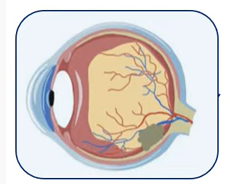
Retinoblastoma
Retinoblastoma is the most common primary intraocular tumor in children and the second after uveal melanoma in adults. It occurs in about 1 in 15,000 births. The tumor occurs bilaterally in 30-40% of cases and equally between men
Read More »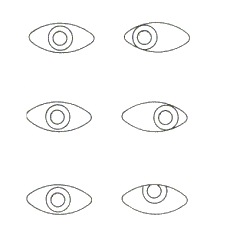 Common questions in the field of children's ophthalmology
What can a baby really see?
When babies are born their vision is not yet as developed as in adults, but it is good enough to recognize faces up close. After a month or two babies already manage to follow objects. In the first two years of life the vision develops to a quality of vision similar to that of adults.
What are the signs of poor vision in a child?
As parents, it is advisable that you become familiar with the various signs of poor vision in children. If one of the eyes is less symmetrical, turned or crossed, then it is possible that that eye does not see as it should. If it seems that the child does not recognize faces they have already seen several times, or is not interested in them or in objects appropriate to their age, then it is also worth checking their vision. Another sign that is very important to pay attention to is a "dancing" eye, or in medical terms nystagmus. Always remember that children tend to try to compensate for their lack of vision in all sorts of creative ways instead of complaining about it.
How will I know if my child or baby needs glasses?
If your child or baby may need glasses, then it is possible to determine exactly the type of glasses (the number) by a relatively simple examination. The pupils of your child are dilated and the light reflected from the back of the eye is examined. It is possible to check the number of the glasses even in very young children who do not cooperate, with the aid of a special device called a retinoscope (Retinoscope), in order to examine the light reflected through the pupil from the back of the eye.
What is a lazy eye (Amblyopia)?
Amblyopia, or in the vernacular "lazy eye", is a disease expressed in poor vision in the eye as a result of abnormal development of vision during childhood. When one eye develops as it should with normal vision and the other eye does not develop properly, that eye is called an amblyopic eye (Amblyopic).
Usually amblyopia is unilateral (that is, expressed in one eye only), but there may be situations in which both eyes are "lazy".
Amblyopia is a common disease that is expressed in 2-3 percent of the population, and the best way to prevent or correct it is in the first years of life.
What is a squint (Strabismus)?
In strabismus the eyes are not aligned as they should be. If the eyes squint inward then this is cross-eyed and it is called esotropia (Esotropia). If the eyes squint outward (Wall Eyed) it is called exotropia (Exotropia). One eye can be in a higher position and this is called hypertropia (Hypertropia) or in a lower position (Hypotropia). Not every strabismus is easily diagnosed and sometimes it comes and goes. It can be unilateral, bilateral or move from eye to eye.
Strabismus usually appears in early childhood or after trauma to the head or following brain tumors. Some people suffer from esotropia following accommodation (Accommodative Esotropia); usually this results from a need for glasses to treat farsightedness (Farsightedness). The cause of strabismus is usually idiopathic (without a clear cause). In any case, regardless of the cause, the mechanism is most likely a lack of synchronization and coordination between the eye muscles.
When young children develop strabismus, usually the symptoms and complaints are not severe. They may hold the head at the same angle at which the eyes are aligned as they should be and in which they see well. They may also cover the eye with the hand when one of the eyes squints. Over time, in contrast to adults who usually suffer from double vision, the developing brain of children allows them to ignore what the squinting eye sees.
Amblyopia (lazy eye) is a disease closely related to strabismus. Those children who learn to ignore or suppress the vision in the squinting eye ultimately lose the vision in that eye. Therefore, there may be a need to cover the healthy eye and put on glasses before treating the strabismus itself. In contrast, adults do not develop amblyopia following a squint.
The treatment of strabismus is usually surgical, by adjusting the tensions of those muscles that control the movements of the eyes. The goal of the surgery is to align the gaze of the eyes so that they move in full synchronization. Strabismus surgeries are usually successful and are expressed in marked improvement in vision and the rest of the symptoms, but in about a quarter of cases there is a need for repeat surgeries. An additional alternative treatment is injection of Botox into the eye muscles in cases where there is hesitation or a reason not to operate. Eye exercises or physiotherapy of the eyes are usually not particularly effective.
What is a blocked tear duct (Nasolacrimal Duct Obstruction) how does it present and how is it treated?
Obstruction of the tear-drainage duct (Nasolacrimal Duct Obstruction) will cause, in most cases, tearing because the tears do not drain properly. Possible symptoms of a blocked duct are lashes that stick to one another because of the fluids that accumulate, or an accumulation of tears in one or both eyes that is expressed as tearing. Those tears that accumulate can serve as a breeding ground for bacteria and become infected, which will lead to painful swelling (edema) of the corner of the eye. In infants these obstructions in most cases resolve on their own by the age of six months; if not, the ophthalmologist may recommend opening the drainage duct of the tear system.
The initial treatment is conservative and includes massages over the blocked area (located under the skin between the eye and the nose) in order to push out the tears and the mucosa, since these may already cause it to reopen. Cooperation on the part of the parents is needed since there is a need for several repeat massages at high frequency until the tearing passes. If an infection develops then the ophthalmologist may give a prescription for antibiotics.
The next stage in treatment (if the previous one does not succeed) is the use of a thin probe that is passed through the duct in an attempt to open the obstruction. Afterward a rinse is passed through to check whether the duct indeed drains as it should. This is a relatively simple procedure with very few complications. There may be bloody remnants in the tears or minimal bleeding from the nose after this procedure. This procedure succeeds in opening the obstruction in 90% of cases. These obstructions tend to recur, and in situations of several recurrences of obstructions there is an option to leave a small tube inside the duct temporarily (several months) in order to keep it open.
If all the other treatments have failed, the last option is a tear-duct bypass surgery (Dacryocystorhinostomy – DCR); the surgery has very high success rates but also carries more complications than the previous procedures.
What is a chalazion (Chalazion) and how is it treated?
The origin of the word chalazion is from the Greek language – its meaning is "a small bulge". This is a cystic swelling with chronic inflammation inside the eyelid of the eye. This whole process arises from a blockage of one of the important glands of the eyelid. That gland is responsible for producing the oily component of the tear strip inside the eye and is called the meibomian gland (Meibomian Gland).
A chalazion has several possible treatments in various combinations: antibiotic and/or steroid drops, warm compresses, massages, drainage or surgery to remove the chalazion.
A large chalazion that does not respond to the more conservative treatments usually requires drainage or surgical removal after the acute inflammation passes. Surgical intervention in children is performed under local anesthesia.
What is retinopathy of prematurity (Retinopathy of Prematurity)?
Retinopathy of prematurity (Retinopathy of Prematurity – ROP) affects the retina of premature babies. the retina of the eye is the layer that envelops the back of the eye and "receives" the light that arrives from outside. This disease usually affects both eyes, although there may be a difference in the degree of severity of the damage in the two eyes.
The last trimester of the pregnancy is critical for the normal development of the fetal eye. When a baby is born prematurely (premature) the blood vessels in the eyes are not sufficiently developed to supply blood properly to the retina of the eye. At birth, abnormal (not normal) blood vessels form, and with them a process of scarring or retinal detachment develops. There is a direct connection between the weight of the premature baby and the chance that they will develop the disease; the smaller they are, the greater the chance.
Although medicine keeps improving in recent decades, this phenomenon is not disappearing and the incidence is even growing. Apparently, following the development of the treatment of premature babies (neonatology), smaller and sicker babies survive. Today it is known that overly intensive treatment with oxygen in premature babies can worsen this disease, but on the other hand there are factors responsible for this disease that have not yet been identified.
In the more severe cases the retina scars and ultimately detaches (retinal detachment). In a large portion of the cases there is much clinical improvement without treatment, but a small portion ultimately reach blindness. Cryotherapy (Cryotherapy), that is laser freezing, is a treatment that can prevent the development/deterioration of this disease.
Children who suffer from retinopathy of prematurity have a higher chance of suffering from additional eye diseases such as nearsightedness, strabismus, lazy eye and more.
Additional articles: | Retinoblastoma | Strabismus |
|---|
Have a question about your eyes? Want a specialist opinion?