What is cataract surgery?
Cataract surgery is a procedure to remove the lens of the eye and, in most cases, to replace it with an artificial lens. Normally, when we are born, the lens of the eye is clear. A cataract causes that lens to become cloudy over the years, which eventually affects your vision.

Who performs cataract surgery?
Cataract surgery is performed by a specialist ophthalmologist — a cataract surgeon — usually as day surgery, which means you do not need to stay in hospital afterwards. Cataract surgery is very common and is generally a safe procedure with excellent results.
Why is surgery needed?
Cataract surgery is performed to treat a cataract that is interfering with vision. A cataract can cause blurred vision and increased glare from lights. If a cataract makes it difficult for you to carry out your normal activities, your doctor may suggest cataract surgery.
Cataract surgery can also be considered when a cataract interferes with the treatment of another eye problem. For example, doctors may recommend cataract surgery if a cataract makes it hard for your ophthalmologist to examine the back of the eye in order to monitor or treat other eye conditions, such as age-related macular degeneration or diabetic retinopathy.
In most cases, waiting to have cataract surgery will not harm your eye, so you have time to consider your options. If your vision is still quite good, you may not need cataract surgery for many years, if at all.
When should you consider cataract surgery?
When you are asking yourself whether you want to have the operation, ask yourself the following questions:
- Can you see well enough to do your work safely?
- Do you have trouble reading or watching television?
- Is it difficult to cook, shop, do yard work, climb stairs or take medication?
- Do vision problems affect your level of independence?
- Do bright lights make it hard to see and bother you?
If the answer to some of these questions is yes, then it may well be worth considering the operation sooner rather than later.
What are the risks of cataract surgery?
Complications after cataract surgery are rare, and most can be treated successfully.
The risks of cataract surgery include:
- Inflammation
- Infection
- Bleeding
- Swelling
- Drooping eyelid
- Dislocation of the artificial lens
- Retinal detachment
- Glaucoma (a rise in intraocular pressure)
- Secondary cataract
- Loss of vision
The risk of complications is greater if you have another eye disease or a serious medical condition. Occasionally cataract surgery fails to improve vision because of underlying eye damage from other conditions, such as glaucoma or macular degeneration. Where possible, it may be useful to evaluate and treat other eye problems before deciding on cataract surgery.
Preparing for cataract surgery
Food and medication
You may be asked not to eat or drink anything for 12 hours before cataract surgery. Your doctor may also advise you to stop taking, temporarily, any medication that could increase the risk of bleeding during surgery. Tell your doctor if you are taking any medication for prostate problems, as some of these drugs can interfere with or complicate cataract surgery. You may be asked to use antibiotic eye drops for a day or two before surgery to prevent infection.
Other precautions
You can usually go home the same day as the surgery, but you will not be able to drive, so it is best to arrange transport home in advance for that day (for example, to come with someone accompanying you). It is also worth arranging help at home if needed, since your doctor may ask you to limit activities such as bending and lifting for about a week after surgery.
What to expect from the operation
Before surgery
Before the operation, the doctor performs a non-invasive, painless examination to measure the size and shape of the eye. This helps determine the correct type of lens implant (an intraocular lens, or IOL).
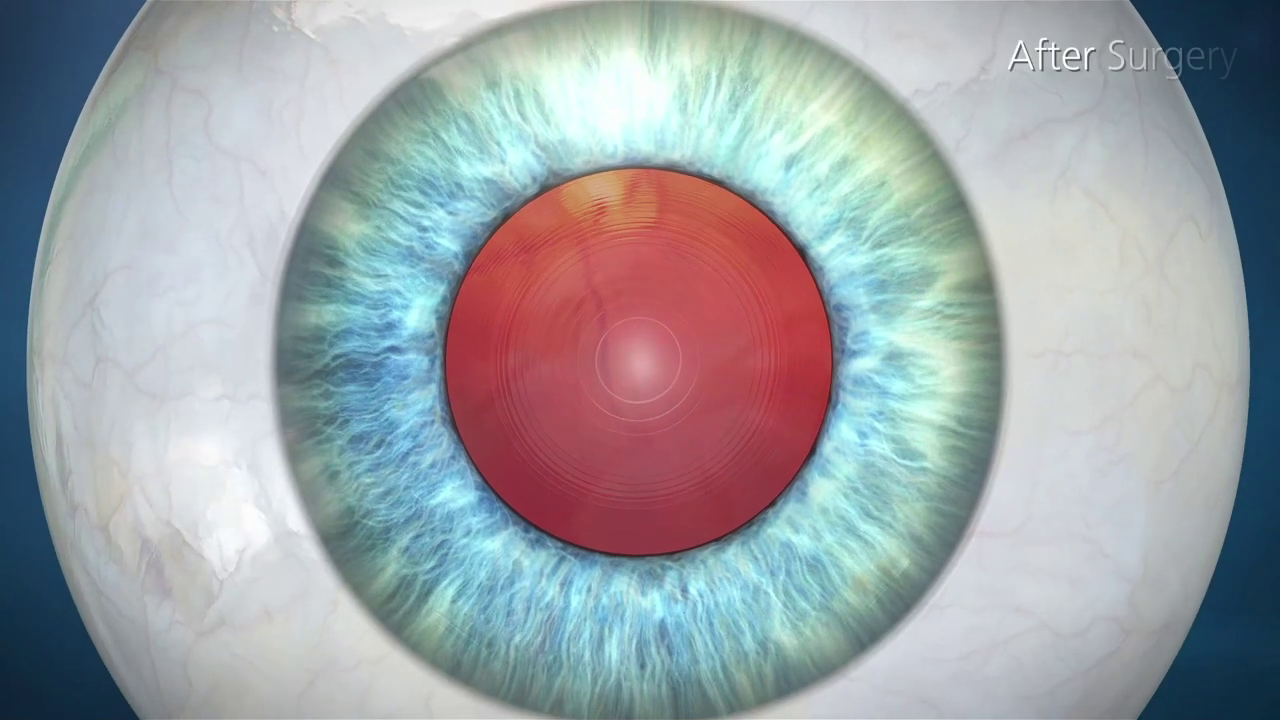
Almost everyone who has cataract surgery receives a lens. These lenses improve your vision by focusing light on the back of the eye. You will not be able to see or feel the lens. It requires no maintenance and becomes a permanent part of your eye.
A variety of lenses with different properties is available. Before surgery, you and your ophthalmologist will discuss which type of lens may suit you and your lifestyle best. Cost may also be a factor, since insurers do not necessarily pay for every type of lens.
Lenses are made of plastic, acrylic material or silicone. Some lenses block ultraviolet light. Some lenses are made of rigid plastic and are implanted through an incision that has to be closed with several sutures.
The great majority of lenses, however, are flexible and allow a smaller incision that usually needs no sutures. The surgeon folds a lens of this kind and inserts it into the empty capsule where the natural lens used to be. Once the lens is inside the eye, the folded lens opens up and fills the empty capsule.
Lens types for cataract surgery
- Monofocal, with fixed focus. This type of lens has a single focusing power, for either distance or near vision, but not both. It is usually set for distance, and reading will then generally require reading glasses.
- Enhanced monofocal with accommodation. Although these lenses have only a single focusing power, they can respond to the movements of the eye muscles (to a limited extent) and shift focus to near or distant objects.
- Multifocal. These lenses are similar to glasses with bifocal or progressive lenses. Different zones of the lens have different focusing powers, allowing near, intermediate and distance vision.
- Astigmatism correction (toric lens). If you have significant astigmatism, a toric lens can help correct your vision.
Talk to your eye surgeon about the benefits and risks of the different lens types in order to decide what is best for you.
During cataract surgery
Cataract surgery, which is usually performed as day surgery, takes an hour or less to carry out (in most cases).
First, your doctor will put eye drops in your eye to dilate the pupil. You will be given a local anaesthetic to numb the area, and you may be given a sedative to help you relax. If you are given a sedative, you may remain awake, but slightly drowsy, during the operation.
During cataract surgery the clouded lens is removed, and a clear artificial lens is usually implanted in its place. In certain cases, however, a cataract can be removed without implanting an artificial lens.
Surgical techniques used to remove a cataract include:
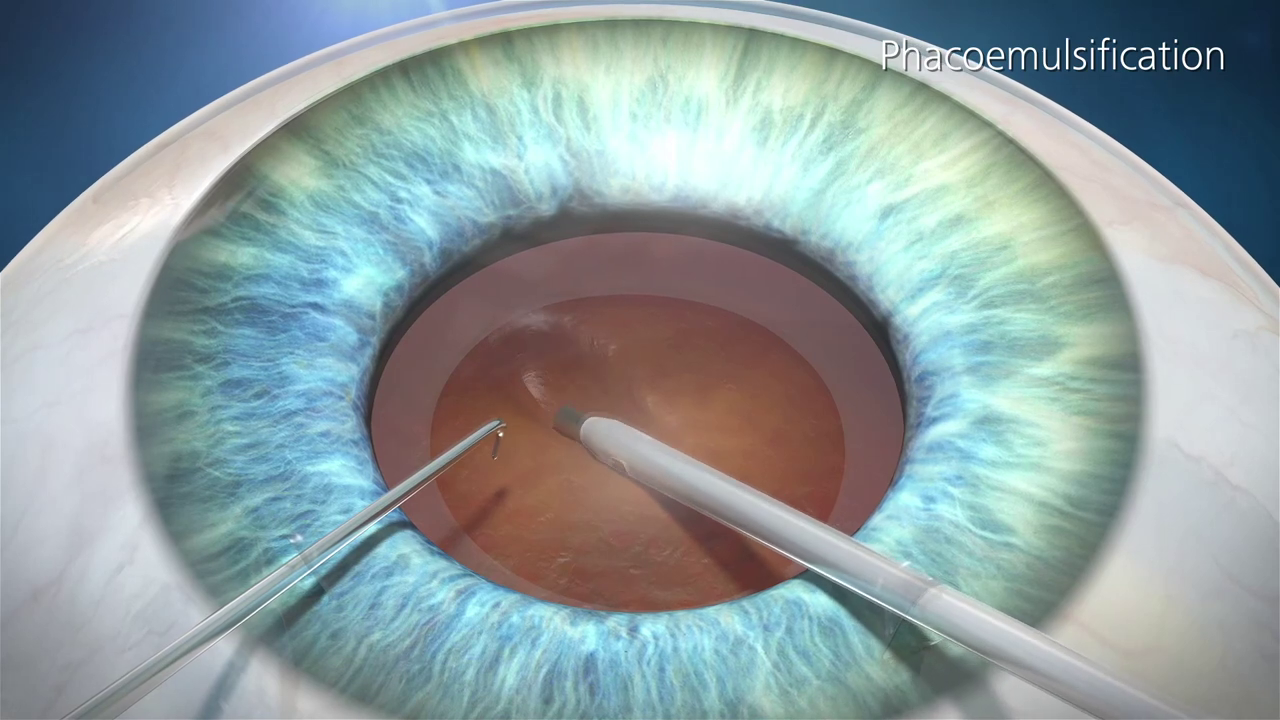
Using a phacoemulsification (ultrasound) device to break up the lens for removal. During a procedure called phacoemulsification, your surgeon makes a tiny incision in the front of the eye (the cornea) and inserts a thin probe into the lens material in which the cataract has formed. Your surgeon then uses the probe, which transmits ultrasound waves, to break up the cataract and aspirate the fragments. The back of your lens (the capsule) is left intact in order to contain and hold the artificial lens. At the end of the procedure sutures may be used to close the tiny incision in your cornea (usually this is not necessary).
- Making an incision in the eye and removing the lens in one piece. A less common procedure called extracapsular cataract extraction (ECCE). The operation requires a larger incision than the one used for phacoemulsification. Through the larger incision your surgeon uses surgical instruments to remove the front capsule of the lens and the clouded lens containing the cataract. The back capsule of your lens is left intact to hold the artificial lens. This procedure may be performed if you have certain eye complications or a very advanced cataract. After surgery of this kind sutures are usually needed, because a larger incision is used.
After the cataract has been removed by one of the techniques described, the artificial lens is implanted into the empty lens capsule.
After cataract surgery — what to expect
 People often ask what to expect after cataract surgery. Thanks to advances in technology, cataract surgery is safe, effective and one of the most commonly performed operations today. Recovery is usually relatively easy and without many complications, but if the patient's general health is complex, or they have serious eye problems, the risk of complications rises. The operating surgeon will arrange follow-up appointments after surgery to make sure recovery is progressing as expected and to identify complications early if any occur. The treating doctor may prescribe eye drops for the period after surgery, and it is important to take them as directed in order to achieve the best results. The drops may be antibiotic or anti-inflammatory drops that promote healing and protect the eyes from infection.
Immediately after cataract surgery
Immediately after the operation the patient rests in a recovery area for about 30 minutes until the local anaesthetic in the eye wears off. Of course, if the operation was carried out under general anaesthesia for any reason, a longer recovery period is needed. Right after surgery it is normal for vision to be blurred, because the eye needs to heal and adjust to the new lens. Someone needs to accompany the patient home, since they will not be able to drive for at least 24 hours and sometimes longer, until they feel their vision has improved and they are able to do so. The patient will be given a plastic shield to place over the eye at night during the first week after surgery, or according to personal instructions from the treating doctor. Using the shield prevents accidentally rubbing or scratching the eye during sleep. Sunglasses can also help when going outdoors, as protection against the glare and haloes that may be experienced on exposure to bright lights. Many patients report clear vision within hours of cataract surgery, but it is important to remember that the pace of recovery varies and it may take even weeks for vision to become clear.
In the days after cataract surgery
As noted, vision in the days after surgery can be blurred, and the image may be wavy or distorted for short periods. The patient may also experience discomfort or mild itching in the operated eye — symptoms that are expected to disappear within a few days. Colours will look brighter and stronger after surgery, because the lens is no longer cloudy.
In the month after cataract surgery
 Further follow-up visits are expected one week and one month after surgery. Most patients will already have clear vision 8–10 weeks after cataract surgery. If there is a cataract in both eyes, the second operation is usually scheduled after the first eye has healed. Many people will need glasses at least for a certain period after surgery, and the treating doctor will advise when to have glasses fitted, based on each patient's individual healing progress and needs. Glasses are usually fitted about one to three months after surgery. It is worth knowing that sunglasses will be needed for protection against glare in the following months and even a year after surgery.
If you experience one or more of the following symptoms, it is important to be examined by a doctor:
New flashes of light or numerous floaters, worsening eye pain, deterioration in vision, no improvement in swelling or redness of the eye, discharge from the eye, nausea, vomiting or fever.
Serious complications after cataract surgery are rare, but as with any procedure they can occur and it is important to be aware of them. That is why regular follow-up matters, along with contacting a doctor quickly if signs appear that could indicate a developing complication.
Do you need to take time off work after cataract surgery?
Returning to work immediately after surgery is not recommended, but every patient is different, with a different recovery time and a different kind of work. If the patient wears glasses with a high prescription and has had surgery on one eye, a noticeable difference will arise between the two eyes, which may require adjustment and make work difficult. After cataract surgery on the second eye (if required), or after glasses are fitted once the healing and adjustment period is over, the situation balances out. As noted, it also depends on the nature of the patient's work. For example, if the work involves heavy machinery or driving, they should avoid returning to work before their vision allows them to work safely, both for themselves and for those around them. It is also advisable to postpone returning to work that involves dust, or an environment that could contaminate the eye and interfere with healing.
What can be done to speed up recovery?
Eye drops will be given by the treating doctor after surgery, intended to help speed healing and prevent infection in the eyes. They should be used exactly as directed, to allow a faster and easier recovery. It is important to take steps to protect the eye in the period after surgery, as this is a particularly vulnerable time. These steps include avoiding rubbing or scratching the eye (which can be prevented by using an eye shield), protection from strong light, and care when washing your hair. Swimming should be avoided until the eye has healed completely. It is important to maintain hygiene and to clean the area around the eye as instructed.
Recovery from cataract surgery — further information
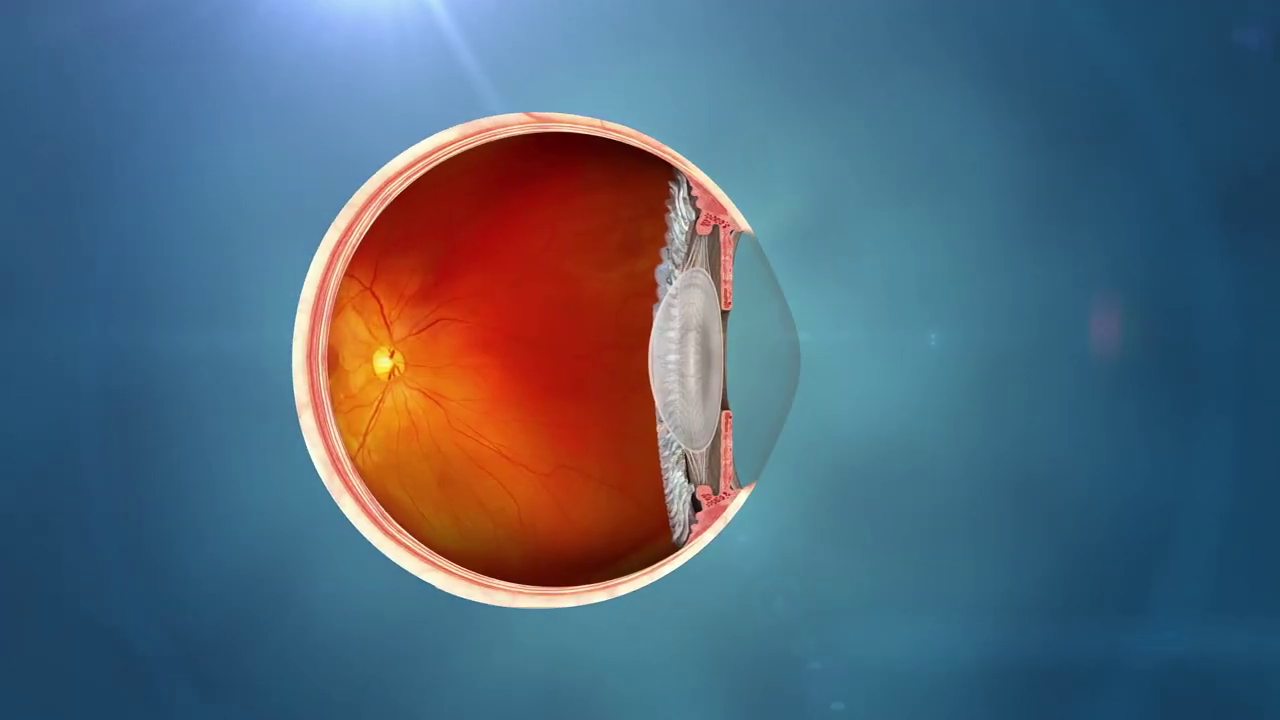
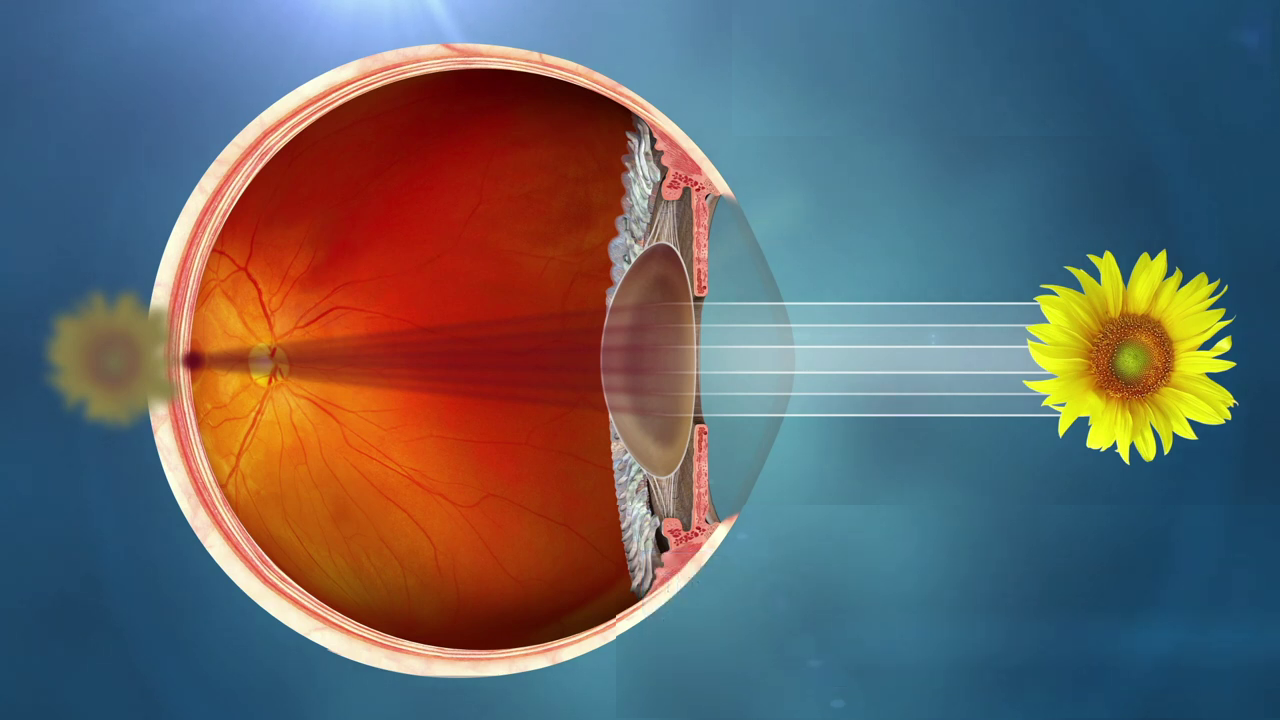
In a healthy eye, the lens is completely clear and transparent. A cataract is a condition in which the lens becomes clouded, and as a result the direct passage of light rays through the lens to a focused point on the retina is impaired. The clouding of the lens occurs as a result of a change in the proteins that make up the lens of the eye, which in turn leads to a change in its structure.
In the early stages of a cataract there may be no impairment of vision, but in the later stages we expect blurred, unfocused vision, and even complete blindness if it is left untreated. A cataract can appear in one eye only, or in both eyes.
If the ophthalmologist observes difficulty with vision that impairs the patient's day-to-day functioning, they will most likely refer the patient for cataract surgery. Surgery will also be recommended in cases where the cataract is not necessarily the main cause of the disturbance in vision. This is because surgery of this kind exposes the back of the eye, and that can help in diagnosing other eye conditions such as diabetic retinopathy, age-related macular degeneration (AMD) and others. It is important to note that a cataract is not a medical emergency, and so a specialist should first be consulted about the surgical procedure and its risks before it is carried out.
At the start of the operation, the doctor will instil anaesthetic eye drops into the patient's eye for local anaesthesia. They will then remove the damaged lens and implant in its place an artificial lens, known in the medical world as an "intraocular lens". The operation is not expected to last more than 60 minutes.
After a short recovery period in the waiting room, and if there are no complications, the patient is expected to be discharged accompanied by another person.
The stages of recovery from cataract surgery
Immediately after surgery
At the end of the surgical procedure, the doctor will explain to the patient how best to protect the eye.
Drops and an eye shield or glasses will be given to cover the eye. It is recommended to use this cover at night as well during the first week after surgery, to prevent any chance of rubbing or unwanted contact. In addition, a recommendation may be given to avoid everyday activities for a few weeks, such as touching the eye directly, lifting heavy objects or bending the body. There may be a sensation of itching or discomfort on exposure to light or touch.
It is important to contact the treating doctor in any of the following cases:
– Loss of vision
– Significant pain that does not go away even after taking pain relief medication
– Persistent redness of the eyes
– Flashes of light or spots in the vision
In most cases the eye heals completely 8 weeks after surgery. A medical examination will determine conclusively whether healing is indeed complete and whether the surgery was successful.
A few days after surgery
In the days after surgery you may experience the following symptoms:
– Blurred vision, as a result of the eye adjusting to the artificial lens
– A wavy or distorted image at times
– A sensation of itching, discomfort in the eye, or watering
– Redness of the eyes, as a result of temporary damage to the small blood vessels in the white of the eye
– Small haemorrhages in the eyes
– Colours perceived as brighter, because of the use of a clear, unclouded lens
These symptoms are expected to pass within a few days.
One month after surgery
A month after the operation, a reduction in pain and discomfort is expected as the eye heals and recovers. Even with the reduction in symptoms, the doctor may recommend continuing to use the eye drops and avoiding exposing the eye to dust, dirt or contaminated water.
There are also reports of swelling that can persist in the months following surgery, and it may cause vision to be perceived as blurred.
It is very important to consult the doctor regularly at this stage of recovery, so that they can follow the different stages of healing.
Once the patient's vision has stabilised, wearing glasses either part of the time or permanently will usually be recommended.
Eight weeks after surgery
As noted, complete healing is expected 8 weeks after cataract surgery. Patients with a cataract in both eyes can at this stage consult the doctor and schedule cataract surgery for the second eye, since the two eyes cannot be operated on at the same time.
The risks of cataract surgery
Cataract surgery is considered one of the safest and most effective operations there is, but in rare cases it can cause the following complications:
– Bleeding, infection or unusual swelling
– Blindness
– Double vision
– A change in intraocular pressure
– Retinal detachment
These complications can be treated if they are diagnosed at an early rather than an advanced stage, which is why any change in vision after surgery should raise suspicion and prompt a consultation when needed.
Secondary cataract
A secondary cataract is a cataract that can appear a few weeks, months or years after cataract surgery. It is not identical in its characteristics to the original cataract, but it too causes clouded vision. Correcting it is simple and is done with a laser.
After cataract surgery, expect your vision to start improving within a few days. Your vision may be blurred at first while your eye heals and adjusts.
Colours may look brighter after surgery because you are looking through a new, clear lens. A cataract is usually yellow or brown in tint before surgery, and dulls the appearance of colours.
You will usually see your ophthalmologist a day or two after surgery, in the following week, and then again after about a month to monitor healing.
It is normal to feel itching and mild discomfort for a few days after surgery. Avoid rubbing or pressing on the eye.
Your doctor may ask you to wear a dressing or a protective shield on the day of surgery. Your doctor may also recommend wearing the dressing for a few days after surgery, and the eye shield while you sleep during the recovery period.
Your doctor may prescribe eye drops or other medication to prevent infection, reduce inflammation and lower intraocular pressure. Sometimes these medications can be injected into the eye during surgery.
After a few days, most of the discomfort should disappear. Often, complete healing occurs within eight weeks.
Contact your doctor immediately if you experience any of the following:
- Loss of vision
- Pain that persists despite the use of over-the-counter painkillers
- Increased redness of the eyes
- Swelling of the eyelids
- Flashes of light or several new floaters in front of the eye
Most people need glasses, at least some of the time, after cataract surgery. Your doctor will let you know when your eyes have healed enough for you to get a prescription for glasses from an optometrist. This is usually between one and three months after surgery.
If you have a cataract in both eyes, the doctor usually schedules the second operation after the first eye has healed.
Results of cataract surgery
Cataract surgery successfully restores vision in most people who undergo the procedure. People who have had cataract surgery may develop a secondary cataract in up to 50% of cases (and this is an expected part of the process). The medical term for this is posterior capsular opacification. It happens when the back of the lens capsule — the part of the lens that was not removed during surgery and that now supports the lens implant — becomes cloudy and impairs your vision.
A secondary cataract is treated with a simple, painless five-minute laser procedure called yttrium-aluminium-garnet (YAG) capsulotomy. In YAG laser capsulotomy, a laser beam is used to create a small opening in the clouded capsule in order to provide a clear path through which light can pass.
After the procedure you usually stay at the doctor's office for about an hour to make sure your intraocular pressure does not rise, although this is not mandatory. Other complications are rare but can include raised intraocular pressure, retinal detachment and swelling in the macula of the retina.
Cataract surgery — questions
Questions about cataract surgery

Do you have questions about cataract surgery? Cataract surgery is a common, straightforward and life-changing operation. Even so, any operation is a big and meaningful decision, and important questions about the procedure are bound to come up.
How long does cataract surgery take?
The whole process, from the moment the patient arrives until they leave after surgery, takes about two and a half hours. The operation itself usually takes 20–40 minutes, but is of course affected by many factors, among them the severity of the cataract and the surgeon's experience.
Is cataract surgery painful?
Cataract surgery is not painful, but there may be a sensation of discomfort. Most cataract operations are performed under local anaesthesia alone. In rare cases the procedure has to be carried out under general anaesthesia, and this is decided at the pre-operative appointment. In other words, in most cases the patient is awake during the operation and can speak, and if they feel pain or discomfort they can say so and receive additional anaesthetic.
Is this emergency surgery? When is the best time to operate?
A cataract develops slowly and gradually, and the quality of vision declines gradually with it. The right time to have the operation is when the cataract is interfering with the patient's quality of life. Very rarely, a cataract whose treatment has been postponed can progress to a state that threatens vision and requires urgent intervention.
What are the side effects of cataract surgery?
The most common side effect is clearer vision. Since the cataract (which is a clouding of the lens) blocks light rays, once it is removed the eye detects relatively more light, and so there may be a sensation of light sensitivity. There may also be a reduction in intraocular pressure (IOP). Floaters or a dark crescent shape at the edge of vision may appear, but these usually resolve on their own within a few months at most. In addition, the surgery can cause temporary dry eye, which is treated with eye drops.
What will my vision be like after surgery?

Several factors may affect this, for example the severity of the cataract, general health and the state of the eye before surgery. Blurred vision after surgery is usually caused by swelling or oedema of the cornea. This is reversible, and most patients report an improvement in vision within 24 hours, with gradual improvement over a week and up to eight weeks after surgery.
Can cataract surgery remove the need for glasses?
If a traditional monofocal lens is chosen, most people will need glasses for distance and for near tasks. If a premium multifocal lens is chosen, there is a better chance of eliminating or reducing the need for glasses. As noted, vision improves over a period of several weeks after surgery, and so the ophthalmologist will wait before fitting glasses if they are needed.
Can you drive after surgery?
The operation is performed under anaesthesia (usually local), and so driving is not possible after surgery. That said, given the fast and relatively easy recovery, you may be able to drive within a day or two, depending of course on your individual recovery.
Does the surgery correct astigmatism?
You should consult the operating surgeon about correcting astigmatism during the operation — something that will slightly lengthen the recovery period but may improve the patient's quality of life. A toric lens reduces, and can even completely resolve, astigmatism at the same time as correcting the cataract.
What are the chances of a complication in cataract surgery?
The medical procedure of removing a cataract and implanting an artificial lens has a 98% success rate. Today there are also new technologies, such as laser cataract surgery, which replaces many of the manual stages of the operation and provides a higher level of precision. Although this is a common and straightforward operation, every procedure carries risks. Complications range from mild side effects, usually temporary, to complications that threaten vision. Fortunately, significant complications are extremely rare and include infection, swelling in the retina, bleeding and retinal detachment. Patients with existing medical conditions such as diabetes, high blood pressure, chronic inflammation and chronic infections are at higher risk of developing complications. 98% of people undergo the surgery without complications, and over 95% experience a significant improvement in vision. This is why the pre-operative examinations that determine surgical risk are important.
Does the surgery last a lifetime, or does it have to be repeated?
The lens the surgeon implants in the eye during the operation is durable, and there is no need to replace it for the rest of your life. However, the capsule that holds the lens can sometimes become cloudy itself, which blocks light rays from reaching the retina through the lens, exactly like the original cataract. A laser can be used to clear away the clouded layer that is interfering. It is important to note that this is not the cataract returning, since the natural lens has been removed. It is the capsule that holds the lens.
When can you travel after cataract surgery?
It is best to stay in the area for at least 7–10 days after surgery, and sometimes longer depending on each patient's situation and in coordination with the treating doctor. After that it is safe to travel by any means of transport, including flights.
Have a question about your eyes? Want a specialist opinion?