Blepharitis
Key concepts about blepharitis
- Blepharitis (inflammation of the eyelids) is a common disease with the potential to significantly change quality of life, but it is often overlooked.
- Blepharitis can result from an acute infection by bacteria, viruses and parasites, or as a result of a primary skin/eyelid disease.
- There used to be four main classifications of blepharitis according to the presentation and/or etiology of the disease.
- A modern classification classifies blepharitis as anterior or posterior, with the gray line being the anatomical landmark.
- The treatment of blepharitis may include four basic arms: improving local conditions of the eyelid margin, topical antibiotics, oral antibiotics and corticosteroids.
- Newer treatment methods have been developed with the aim of targeting anterior or posterior blepharitis.
- Understanding the classification of the disease will help determine which treatment methods should be chosen or started/combined.
Introduction to blepharitis
Blepharitis (inflammation of the eyelid margin, or eyelids) is one of the most common disorders encountered in ophthalmology. It is estimated that eye-care specialists identify blepharitis in 47% of patients. Despite its prevalence, it is a disease that is often overlooked and misdiagnosed. The explanation for why the disease is misdiagnosed or missed is multifactorial (arising from several causes) but is partly due to the fact that the patient's symptoms can be vague and varied. Blepharitis can also be very debilitating for patients, occasionally leading to limitations in daily activity and loss of quality of life. One study found that anterior blepharitis was the sole cause of general discomfort or irritation of the eyes among 12% of patients seeking eye care. Moreover, it can be a source of enormous frustration for both the ophthalmologist and the patient, since it can often be difficult to treat. The mucocutaneous junction together with the many follicular and glandular structures that make up the complex eyelid margin provides a rich environment for the diseases that affect it. While the eyelids, or more accurately the eyelid margin, may be the source of the primary inflammatory process, the involvement of the cornea and the bulbar conjunctiva produces the most important and significant symptoms and functional consequences for the patient.
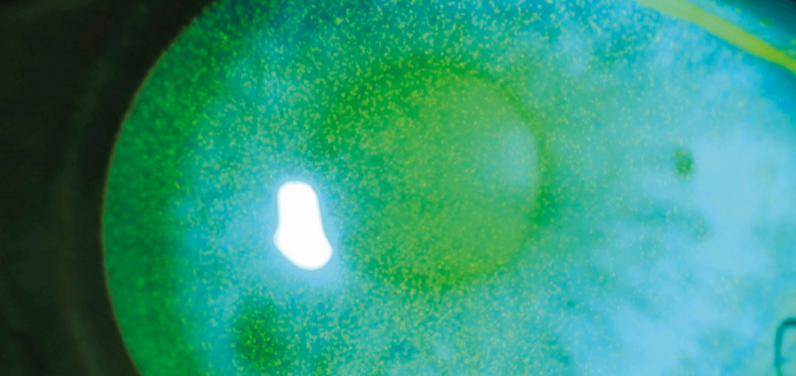
Of the many causes of chronic blepharitis, most remain unclear, and so we do not know everything about the disease, which is a hot research topic in the world of ophthalmology. However, there are subtle differences between the various causes that are critical to identify. Understanding the classification of blepharitis in the eye will help understand the logic behind the different treatments for blepharitis.
Current classification of blepharitis (AAO Preferred Practice Patterns)
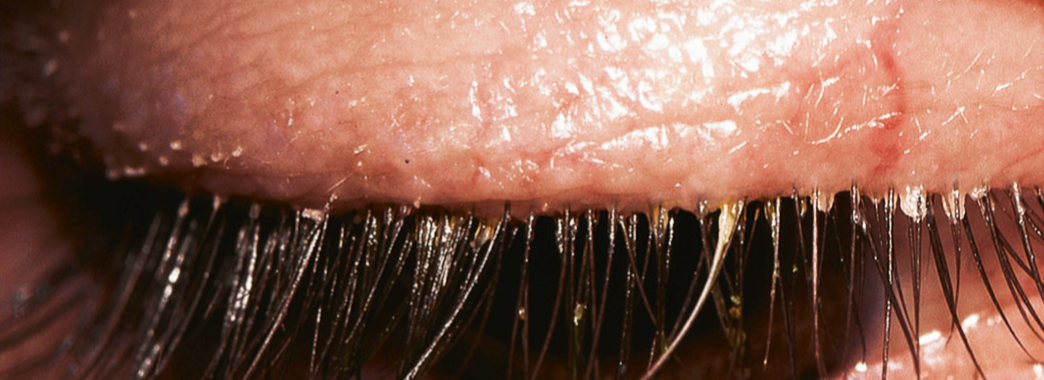
Anterior blepharitis: inflammation of the anterior eyelid margin (anterior to the gray line). It mainly involves the base of the lashes and their follicles.
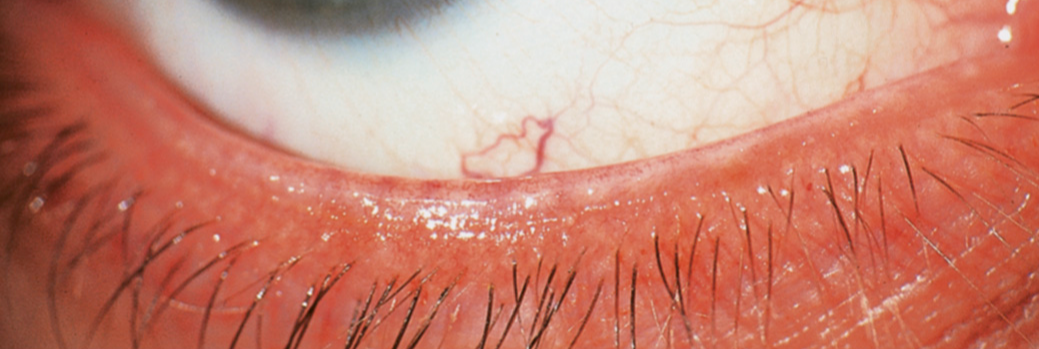
Posterior blepharitis: inflammation of the posterior eyelid margin (posterior to the gray line). It mainly involves the meibomian glands and their orifices.
Differential diagnosis of blepharitis
Several other potential diagnoses should be considered in the differential diagnosis of chronic blepharitis and chronic inflammation of the eyelid margin. Perhaps the most important is sebaceous gland carcinoma of the eyelid, which sometimes does not necessarily present as a lump but can present misleadingly as chronic inflammation of the eyelid. Although it is a rare event, this disease should be kept in mind when there is no response and there continues to be marked inflammation of the eyelid margin, since its prognosis is very poor. Rosacea, a primarily dermatological disease, is often accompanied by inflammation of the eyelid margin and changes in the peripheral cornea.
Tear dysfunction, although not part of the differential diagnosis, can accompany blepharitis. There are several studies reporting that in diseases once considered to mainly affect the tear-production process (such as Sjogren's), there is also damage over time to the eyelid margin and the meibomian glands, with the development of posterior and even anterior blepharitis.
Another entity to consider is a reaction to cosmetic products of the eyelid margin. Complications can include madarosis (loss of lashes), erythema (redness), infections, granulomatous inflammation and scarring.
Blepharitis treatment
There are four main treatment arms for all categories of eyelid inflammation: eyelid hygiene, topical antibiotics, oral antibiotics (especially tetracycline) and corticosteroids. The mainstay of treatment is improving the local environment of the eyelids by means of warm compresses and cleaning the eyelid margin with dedicated cleansers. Certain subpopulations may require additional interventions to improve the ocular environment. Contact lenses can serve as a reservoir for debris and can lead to the formation of additional deposits on the eyelid margin. It may be necessary to switch to daily contact lenses or to avoid contact lenses for long periods. Similarly, patients with seborrhea can benefit from cleaning the skin around the eyes and around the eyebrows with a mild, non-detergent antifungal shampoo.
Topical or oral antibiotics can be added to the treatment regimen when there is a bacterial pathogen or if rosacea and meibomitis are a significant component. Traditionally, this was achieved with antibiotics such as bacitracin and aminoglycosides (gentamicin and tobramycin). Recently, antibiotics of the macrolide family (including azithromycin and erythromycin) are recommended due to anti-inflammatory properties (in addition to their anti-infective properties). Azithromycin is especially desirable, since it has a long half-life in both the oral and topical (local) form.
In severe cases of blepharitis there is often a need for treatment with topical steroid drops for several days in order to regulate the inflammatory component of the disease. It is important to start with the lowest effective dose of steroids, in order to avoid all the possible complications of using topical steroids over time. The use of corticosteroids can be avoided or reduced in patients requiring long-term treatment by means of topical cyclosporine 0.05% (Restasis) or lifitegrast (Xiidra) in most cases.
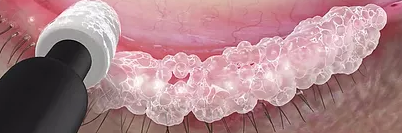
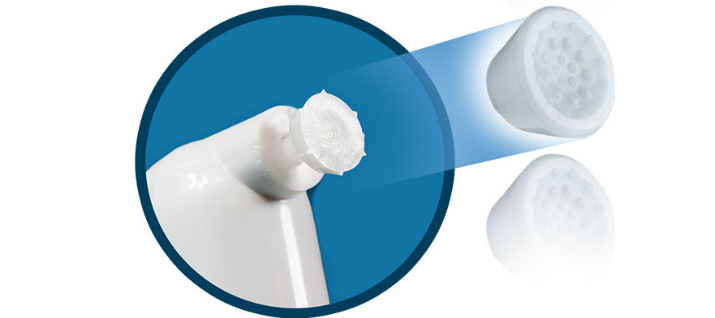
Newer treatments can be considered in stubborn/difficult cases. The BlephEx device targets anterior blepharitis by peeling the eyelid margin using a rotating disposable micro-sponge, thereby reducing the biofilm. An alternative device to BlephEx, also called the Mibolid Pro, works similarly. A blocked meibomian gland can be relieved by means of the LipiFlow system, manual gland expression (meibomian gland expression) or Intense Pulsed Light treatment, known as IPL.
Have a question about your eyes? Want a specialist opinion?