Autologous serum
The idea of using blood-derived products to treat the eye
The idea of using blood-derived products as eye drops to treat ocular surface diseases was proposed several decades ago. In 1975 a portable ocular perfusion pump was developed, used to deliver autologous serum or plasma to the ocular surface of patients with chemical burns. Ten years later, the use of autologous serum eye drops was first reported for treating patients with dry eye associated with Sjögren's syndrome.
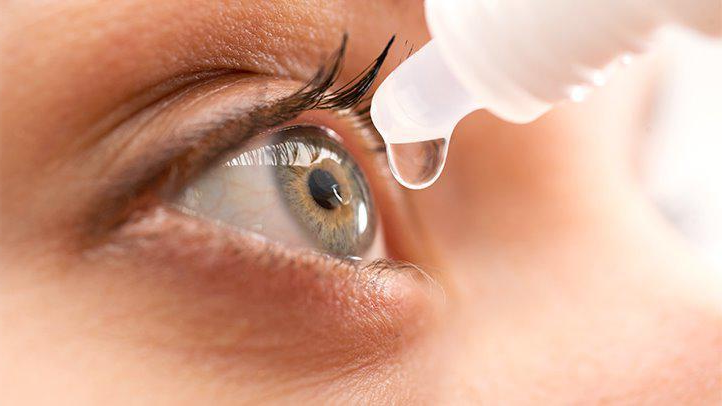 To this day the most common blood product for treating dry eye is autologous serum. Now additional products have begun to be produced, such as platelet-rich plasma, plasma rich in growth factors, and platelet lysate, as well as umbilical cord serum.
Why autologous serum?
Autologous serum has an advantage over conventional eye treatments (such as tear substitutes): it serves not only as a tear substitute to lubricate the ocular surface, but also contains a number of biochemical components, making it the closest thing to our natural tears. The positive effect of autologous serum and blood products on the migration and viability of corneal epithelial cells has been well documented by numerous laboratory studies and subsequently in human studies. In particular, these products have been used to treat a variety of external ocular surface diseases, including mainly dry eye, persistent epithelial defect, corneal ulcer, chemical burn, recurrent corneal erosions, and limbal stem cell deficiency.
How is autologous serum prepared?
Autologous serum is derived from the patient's own blood, drawn from a peripheral vein. Technical details and preparation parameters — including blood clotting time, centrifugation time, and dilution — have been shown to affect the quality and properties of the final product, and to this day there is no internationally accepted method. The most common form: 50–100 ml of blood is drawn from the patient into tubes without an anticoagulant so that complete clotting can occur, and the tubes are left at room temperature for between 15 minutes and two hours. Next, the tubes are placed in a centrifuge at a force of between 500 and 3000g, which in most devices is between 1500 and 6000 revolutions per minute, for 15 minutes to completely separate the serum from the solid components. The clear upper liquid (supernatant) is then collected and, under sterile conditions, diluted in a balanced salt solution (BSS) to the desired concentration (which ranges between 20% and 50%). Autologous serum can be stored in the freezer for three months and in the refrigerator for a week. It is therefore advisable to prepare 12–14 bottles so that the patient can replace a bottle every week for three months. It is important to keep the bottles away from a light source to prevent the breakdown of vitamin A. It is also important to tell the patient that if the bottle no longer appears clear, it should not be used.
Why dilute the serum to 20–50%?
The reason the serum is diluted to 20–50% is to lower the concentration of certain factors in the serum that can inhibit healing (such as TGF-B). In addition, several studies have shown that when the serum is diluted to 20%, a solution very similar to our tears is obtained. However, some studies have shown that certain patients may respond better to higher concentrations of autologous serum.
Platelet-rich plasma
Platelets are cells in the blood that are essential to the wound-healing process, providing many growth factors and cytokines contained in their α-granules, such as PDGF, TGF-β, and platelet factor IV. Platelet-derived preparations are widely used in regenerative medicine, oral and maxillofacial surgery, and orthopedics to stimulate and accelerate tissue healing. Recently, various preparations (such as platelet-rich plasma) have been proposed for treating dry eye. Platelet-rich plasma (PRP) is a preparation of autologous plasma with a platelet concentration above baseline. The patient's blood is collected into tubes containing 3.2% sodium citrate as an anticoagulant and is then centrifuged (10 minutes at 1600 revolutions per minute), thereby obtaining three layers: platelet-poor plasma on top, platelet-rich plasma in the middle, and mainly white and red blood cells at the bottom. Only the platelet-rich plasma layer is collected and divided into 10 ml vials, so that each bottle contains 3–4 ml of the liquid. Similarly to autologous serum, the bottle in use should be kept in the refrigerator for a week, and the remaining bottles in the freezer. The main effects of platelet-rich plasma arise from PDGF, which is the first growth factor involved in wound healing, determining the increase in the number of repaired cells, stimulating angiogenesis, supporting the development of new blood vessels, and activating macrophages. In addition, EGF accelerates the proliferation of the corneal epithelium.
Summary of autologous serum and platelet-rich plasma
Eye drops derived from blood products represent an interesting option for treating the cornea and diseases of the external ocular surface, including dry eye, by supplying a mixture of growth factors and cytokines and mimicking the function of natural tears. Human clinical studies highlight a good profile in terms of both the safety and the efficacy of all these products. This treatment can be an excellent option for patients who do not respond sufficiently to other treatments.
Have a question about your eyes? Want a specialist opinion?