The minimal corneal thickness for laser surgery is 450 microns for PRK or 490 microns for Femto LASIK – for all the information about corneal thickness and thin-cornea laser surgery, keep reading.
Thin cornea laser surgery
The desire to be free of glasses and contact lenses has led to the widespread popularity of laser vision-correction surgeries. One of the central factors determining a person's suitability for such procedures is the health of their cornea. Here we will understand what a cornea is, what is considered a thin cornea, its causes, associated risks, and whether a thin cornea constitutes a contraindication to laser vision-correction surgery.
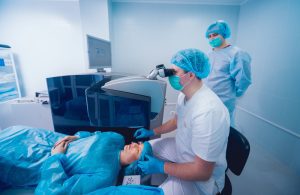
What is the cornea?
The cornea is the clear, dome-shaped front surface of the eye covering the iris and pupil. It plays a central role in focusing light onto the retina, and allows us to see objects clearly. The cornea is composed of several layers, and its precise curvature is essential for normal vision.
Corneal thickness – what is a thin cornea?
A thin cornea refers to a cornea with reduced thickness compared to the average corneal thickness. Corneal thickness is usually measured in micrometers. Normal corneal thickness is usually measured at around 550 micrometers or more. A cornea is considered thin when it is less than 500 micrometers. However, it is important to note that the exact threshold for thin corneas may vary slightly according to the measuring equipment used.
Causes of a thin cornea
Genetics
Genetic factors can affect corneal thickness. Certain people may inherit thinner corneas from their parents.
Aging
The corneas naturally thin with age, and this thinning can affect the quality of vision.
Conditions and diseases
Certain medical conditions, such as keratoconus, can cause the cornea to become thin and weak over time.
Previous eye surgeries
People who have undergone eye surgeries, such as LASIK or PRK, may live with a thinner cornea as a result.
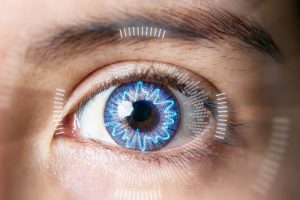
Laser vision correction thin cornea
Is a thin cornea a contraindication to laser surgery?
Yes, a thin cornea is usually considered a contraindication to laser vision-correction surgery. Laser vision-correction procedures, such as LASIK and PRK, involve reshaping the cornea in order to correct refractive errors such as myopia, hyperopia and astigmatism. Thin corneas may not have the thickness required to safely undergo this reshaping process.
Attempting laser surgery on a thin cornea can lead to complications, including corneal ectasia, which can severely impair vision. Therefore, ophthalmologists carefully assess corneal thickness and additional factors before recommending laser surgery. That is, by convention – in the case of a thin cornea, laser surgery is not suitable.
Minimal corneal thickness for laser surgery
- 450 microns for PRK
- 490 microns for Femto LASIK
Summary
While laser vision-correction surgeries have revolutionized the way people manage to achieve clear vision, it is essential to recognize that not everyone is an ideal candidate. Understanding the structure and health of the cornea is essential in determining suitability for these procedures. One should always consult a qualified ophthalmologist to examine the best options for your unique eye-health and vision needs.
About Prof. Mimouni
Prof. Michael Mimouni is a specialist surgeon ophthalmologist for cataract surgery, secondary cataract, corneal transplant, laser vision correction and keratoconus. He can be contacted to schedule an appointment through the contact form on the site or by the phone that appears on the site.
Have a question about your eyes? Want a specialist opinion?