A little background on the swollen eyelid
Before explaining about a swollen eyelid it is first necessary to understand a little about the structure of the eyelid and its surroundings. The eyelid is covered by a unique layer of skin; it differs from the other areas of the body in being extremely thin and lacking a significant fat layer to protect it. Its thickness is only 1 mm, and in addition the skin of the eyelid and the areas surrounding it are rich in blood vessels. As a result, factors that can cause irritation in the eye, or systemic diseases that also affect the skin, may damage the eyelid more easily.
What is a swollen eyelid?
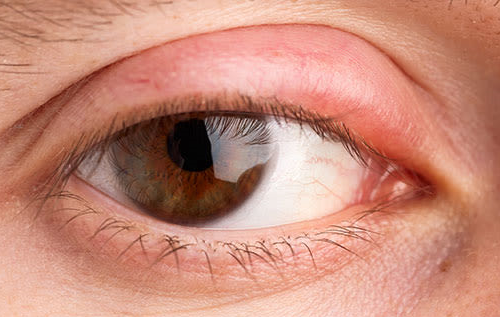 A swollen eyelid occurs when fluid collects in the tissues around the eyes. If there is swelling in the eyelid there may be a sensation of itching or pain, but in many cases the condition remains asymptomatic, or presents with other symptoms related to the medical condition that caused the swelling.
What are the causes that may lead to a swollen eyelid?
A swollen eyelid is often a symptom of another medical condition, which may include:
- Allergies
- Inflamed eyelids (blepharitis)
- Pink eye (conjunctivitis)
- Shingles
- A blocked oil gland in your eyelid (a chalazion)
- Inflammation of the eyelid (a stye)
- An infection around your eye socket (orbital cellulitis)
- Thyroid disease such as Graves' disease
When should you see a doctor?
Eyelid swelling usually resolves on its own within a day or two. If the condition does not improve within 24 to 48 hours, or if there are changes in vision or sharp and unbearable pain, contact your ophthalmologist. He will ask about your symptoms, look at the eye and the eyelid and carry out an eye examination. He will also look for clues as to what is causing the swelling, such as changes in the skin or pain, and if necessary will refer you for further tests.
What is the treatment for a swollen eyelid?
Treatment depends on the cause. If you have an infection, it may be necessary to use antibiotic eye drops, ointment or cream to help clear up your symptoms. If that does not help, your doctor may give you an antibiotic to take by mouth. Or, if necessary, steroid or antihistamine medication according to the medical condition.
To ease the symptoms, look after your eyes and keep the area around them clean:
Compresses – placing a clean cloth dampened with warm water on the eyes twice a day for 15 minutes each time will help loosen the inflammatory crust from your lashes and can help open blockages in the oil glands whose obstruction may have caused your symptoms. A warm compress can also encourage blood flow and reduce the inflammatory process.
Gently wash the area – after removing the compress, to clean the eyelids use a cotton bud or a small washcloth to clean your eyelids lightly with a mixture of baby shampoo and water. Rinse well afterwards.
Let your eyes rest – until the symptoms improve, it is best to avoid using eye make-up or contact lenses.
Treating dry eyes – over-the-counter artificial tears can be used to keep the eyes moist. Antihistamine drops can help with allergies.
Have a question about your eyes? Want a specialist opinion?