Puffy eyelids – why does it happen?
Do your eyes look puffy? When fluid accumulates in the layers of thin tissue surrounding your eyes, you may develop puffy eyelids. But when is this a cause for concern?
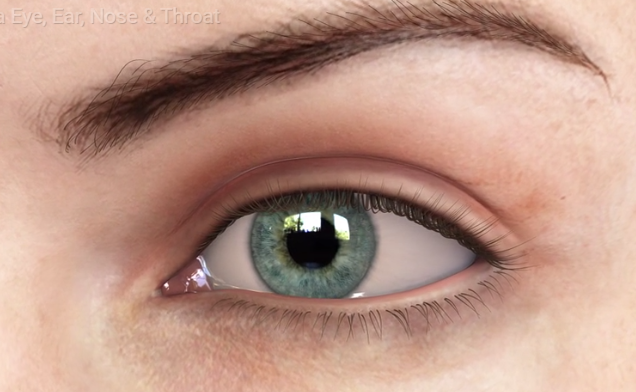
Usually, puffy eyelids — whether the upper, the lower or both — are merely a phenomenon that causes discomfort but resolves on its own within a day. If the puffy eyelids persist for longer, it is important to treat them, because certain problems can quickly damage the eyes.
There are several possible reasons why we may see swelling in the eyes or the eyelids. The causes of swollen eyes include, among others:
Puffy eyelids on the basis of allergies
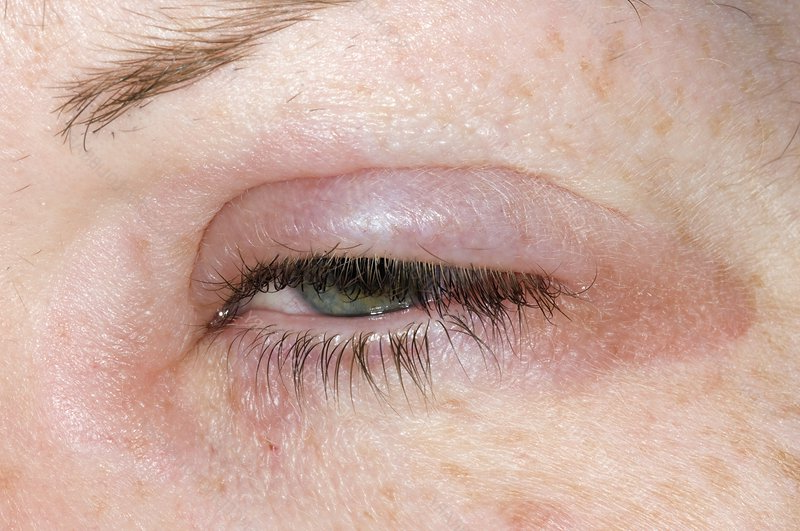
This is an extremely common medical condition which can trouble children and adults alike. Puffy eyelids can be part of a systemic or a local allergic reaction; the triggers can be a reaction to foods, chemicals or other irritants from the environment.
Puffy eyelids accompanied by conjunctivitis
Conjunctivitis – this is a very common infection in the cold and flu season. This condition is usually caused by highly contagious viruses, by bacteria, by allergens or by other irritants.
Puffy eyelids together with a stye in the eye
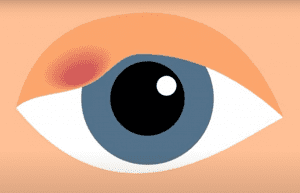
An infection of an eyelash follicle or of a tear gland; the hallmark is the appearance of tender red lumps at the eyelid margins. Usually there is an underlying condition of chronic blepharitis, which can manifest in a number of ways including: a stye in the eye, dry eyes and various other presentations.
Inflammation in the eye socket
Orbital cellulitis – this inflammation, which spreads from the sinuses located in the facial bones and around the nose and eyes, occurs more often in children than in adults. This infection can cause, among other things, redness and painful swelling of the eyelid and of the skin surrounding your eyes.
Trauma as a cause of swelling in the eyelids
Trauma-related injuries – when a blunt force strikes, the eye is compressed and rebounds, which causes blood to collect beneath the injured area. This often causes swelling and discolouration.
Swollen eyes secondary to thyroid disorders
Graves' disease – a thyroid disease which can also involve the eye. Graves' disease is an autoimmune condition in which the body's immune system attacks itself and causes inflammation in and around the eye, and it can cause puffy eyelids.
More worrying causes of puffy eyelids
Eye cancer – rarely, this is the cause of swelling in or around the eyes. Even so, it is a symptom. Eye cancer, or lymphoma in the eye, is usually also accompanied by blurred vision, spots in the visual field or loss of vision.
Tips for reducing the swelling
Most cases of puffy eyelids resolve within a few days. Below are some tips that will help reduce the swelling until the medical condition that caused it is found and resolved:
- Rinsing the eyes with running water if the swelling is related to discharge from the eyelid or the eyes. Cool water is more soothing for allergies.
- Try a cool compress. Lie down and place a cloth soaked in water over your eyes. A warm compress if a blocked oil gland is involved and is causing the puffy eyelids; the heat can relieve the swelling and release the blockage.
- Antihistamine eye drops for allergies, only if there is a diagnosis of allergy. As for steroid drops, they are more dangerous to use for patients who do not need them and should be used only as prescribed, because they may work very well when you have allergies; however, if another medical condition is causing the puffy eyelids, this can in fact harm vision.
- If you wear contact lenses, remove them immediately if your eyes or eyelids are swollen, since the lenses can be damaged at the edges and cause swelling in the eyelid.
When should you contact an ophthalmologist urgently because of swollen eyes?
Contact your ophthalmologist immediately if the swelling lasts more than 24 to 48 hours and you notice one of the following symptoms in addition to the puffy eyelids:
- Pain in the eyes.
- Blurred vision.
- Reduced vision.
- Seeing floating and flickering objects/spots.
- A foreign body sensation in the eye.
- Fever.
Have a question about your eyes? Want a specialist opinion?