Important to know before reading on: Prof. Mimouni is not in an arrangement with the Maccabi health fund. Maccabi's supplementary insurance plans (Maccabi Kesef, Maccabi Zahav, Maccabi Sheli) do not cover and do not reimburse payment for a private consultation or surgery with him.
This page explains what Maccabi covers with physicians who are in an arrangement with it, and what a private surgery involves and how much it costs, so that you can compare. You will find the list of health funds and insurance companies with which an arrangement does exist on the page Contact us.
Keratoconus is a relatively rare but progressive eye condition that affects the shape of the cornea, the transparent front surface of the eye. Although it may sound daunting, understanding the basics of keratoconus, its causes, complications and available treatments can help people make informed decisions about their eye health.
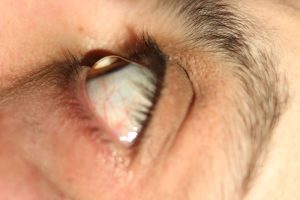
What is keratoconus?
Keratoconus is a non-inflammatory eye disorder in which the cornea, which is usually dome-shaped, gradually thins and bulges into a cone-like shape. This change in the shape of the cornea can lead to distorted vision, increased sensitivity to light and difficulty wearing contact lenses or glasses. Keratoconus usually begins during adolescence or early adulthood and may progress over time.
Causes of keratoconus
Although the exact cause of keratoconus is still unclear, there are several factors that may contribute to its development:
- Genetic predisposition: studies indicate that genetics plays a role in keratoconus, as it often appears in several people in the same family.
- Structural weakness: some people naturally have a thinner cornea, which increases the chance that they will develop keratoconus.
- Eye rubbing: vigorous and frequent eye rubbing, especially in response to allergies or irritation, has been linked to keratoconus.
Complications of keratoconus
Keratoconus can lead to various complications, including:
- Distorted vision: the irregular shape of the cornea caused by keratoconus can cause distorted and blurred vision, making it difficult to perform daily tasks such as reading or driving.
- Increased sensitivity to light: people with keratoconus often become more sensitive to light, a condition known as photophobia.
- Frequent changes in vision prescription: the progressive nature of keratoconus means that people may require frequent changes to their glasses or contact lens prescription.
Keratoconus at Maccabi
Maccabi Healthcare Services offers a wide range of treatments for keratoconus, as well as guidance and treatment by specialist ophthalmologists. As noted, Maccabi keratoconus treatment is performed by ophthalmologists experienced in diagnosing and treating keratoconus. In addition, the health fund is equipped with the most up-to-date diagnostic tools and treatment options for managing keratoconus. Also, members of the health fund are entitled to a subsidy for treatments, depending on their membership plan with the fund, thus making Maccabi keratoconus treatment more affordable.
Summary
Keratoconus may pose challenges, but with early diagnosis and appropriate treatment, people can manage it and maintain good vision. Understanding the causes, potential complications and available treatments is essential for making informed decisions about eye health. A qualified ophthalmologist should be consulted to determine the best course of action for the condition within Maccabi keratoconus treatment.
Have a question about your eyes? Want a specialist opinion?