What is dry eye?

The outer area of the eye is constantly moistened by tears. This moisture is essential for keeping the eye surface clean of debris and bacteria, which makes it vital for maintaining eye health. Dry eye syndrome can be caused by a decrease in tear production or a change in the composition of the tears, but also by an increase in tear evaporation caused by an abnormality in the typical function of the eyelids. These changes may harm the cornea and the conjunctiva that make up the front surface of the eye, which will lead to irritation and a deterioration in vision quality.
One of the most common diseases in ophthalmology is dry eye syndrome. According to several studies, the prevalence in the general population is estimated at 15%, but it rises to almost 50% among people who wear contact lenses. In addition, it has been shown that complaints of dry eyes are the second most common reason for which the public turns to ophthalmologists in community eye clinics.
Symptoms of dry eyes
The most common complaints associated with dry eyes include irritation, burning, a sensation of sand or a foreign body in the eye, increased sensitivity to light, and rarely even pain. Occasionally, there may be excessive tearing as part of a compensation mechanism for changes in the composition of the tears. These symptoms usually worsen with prolonged computer use, reading, driving or spending time in an air-conditioned space. Likewise, there may be a decrease in vision quality as well as changes in visual acuity during the hours of the day.
The common causes of dry eyes
There are many and varied risk factors for dry eye syndrome. Such as, for example:
- Older age.
- Smoking.
- Various diseases and syndromes.
- Age-related hormonal changes associated with menopause in women.
- Wearing contact lenses over time.
- Certain cosmetic surgeries or drug treatments.
- Prolonged work at a computer or prolonged reading.
- Hot, dry and dust-laden weather.
How can dry eyes be diagnosed?
The quality of life of people who experience dry eye syndrome may improve greatly through early diagnosis and awareness of the problem. The appearance of the above symptoms requires an immediate referral to the family doctor for an assessment of the condition. The family doctor can assist with the initial treatment and then refer to an ophthalmologist if there is a need for further treatment.
The ophthalmologist examines the external part of the eye, checks the eyelids for inflammation or any other problem, and uses special drops to see whether there is damage to the conjunctiva or the cornea indicating dryness. He can then assess the volume and rate of tear evaporation.
What are the ways of treating dry eyes?
The initial treatment for dry eye relies on tear substitutes and dry-eye drops. The differences between the preparations are not significant and are related mainly to comfort and suitability for the user. Usually there is no limit to the use of tear substitutes, and indeed these preparations help most people in the early stages of dry eye. However, with excessive use, side effects may appear, such as a rise in intraocular pressure that may lead to the development of cataract and glaucoma.
Preservative-free eye drops for dryness
As mentioned above, for mild dryness the treatment relies on preservative-free eye drops for dryness. Likewise, it is recommended to drink plenty of water, avoid using contact lenses and avoid staying in a dry environment. In the case of severe dryness, the patient may experience significant discomfort. Today there are many treatments for severe dry eyes, including advanced drops, moisturizing eye ointments, anti-inflammatory medications, silicone plugs for blocking the drainage of tears into the nose, and special contact lenses. If the dryness persists despite the use of tear substitutes, it is recommended to go for an examination by an ophthalmologist.
Dry-eye drops and tear substitutes
Anti-dryness eye drops and tear substitutes are eye preparations intended to give moisture to the eyes, prevent evaporation of the natural tear layer and provide protection against infections. Tear substitutes usually contain viscous substances that create a layer of moisture and protection over the mucous tissues in the eyes. Some of the preparations also contain preservatives that sometimes cause a stinging or irritation sensation in the eyes, so patients usually prefer to use preparations that do not contain preservatives.
There are many tear substitutes on the market, differing from each other in the composition of the active ingredients, the composition of the preparation (drops, gel or ointment), the presence or absence of preservatives, the viscosity of the product, its strength and its shelf life after the first opening. Most tear substitutes are sold without a doctor's prescription. One can consult an ophthalmologist or pharmacist regarding the most suitable preparation for each patient, since there are many eye drops recommended for treating dryness. Treatment usually begins with eye drops, and if they do not bring the desired relief, one switches to a gel product or adds an ointment.
Tools for choosing anti-dryness eye drops
The first parameter characterizing different treatments is the price - the price range of dry-eye drops is very wide and this measure should be taken into account when buying. Pay attention also to the expiry date - in the past there were bottles that were good only for about 30 days after opening. Today the technology has already advanced, and there are also various drops that can be kept about 3-6 months after opening. In addition, there are different quantities of preparations that come in the form of a single vial or several single-use vials.
Recommended eye drops for dry eyes
Recommended eye drops for dry eyes – a look at the leading options in Israel
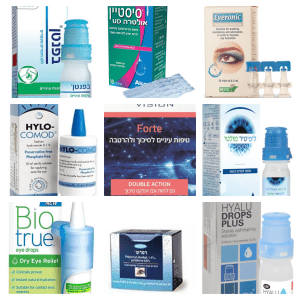 Dry eye, a condition stemming from insufficient tear production or fast evaporation of tears, is more than just an occasional nuisance. It can severely affect a person's quality of life, cause discomfort, blurred vision, and even potential damage to the eye surface if not managed effectively. A primary method for combating dry eye is the use of preservative-free artificial-tear eye drops. In Israel there are several first-rate brands that offer such products. This article will delve into the advantages of six commercially available eye-drop brands: Bepanthen by Bayer, Systane Ultra by Alcon, Hylo-Comod by Kwame, Ironic by Meditec, Eye-Care by Dr Fischer, and Lipitear by Med Products.
Bepanthen by Bayer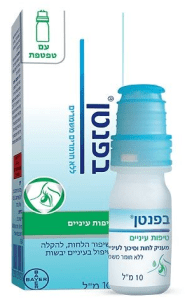
Bepanthen eye drops by Bayer are an exceptional choice for combating dry eye. These drops contain pro-vitamin B5 and help the eyes heal naturally while providing moisture and immediate relief. It should be noted that Bepanthen can be used by people who wear contact lenses and it is free of preservatives, which reduces the risk of irritation that can sometimes be associated with other eye drops. Its uniquely designed multi-dose bottle also ensures the sterility of the product for up to three months after opening.
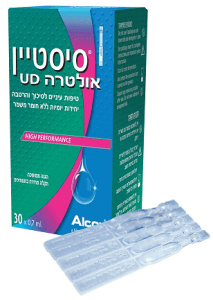 Systane Ultra by Alcon
Alcon's Systane Ultra stands out with its high-performing, long-lasting relief formula. It works by creating a protective layer over the eye surface that prevents tear evaporation. Ideal for people who frequently experience dry eyes, the comfort and extended protection of Systane Ultra make it an excellent solution for maintaining eye health. Furthermore, it is safe for use with contact lenses and comes in a convenient, easy-to-use bottle.
Hylo-Comod by Kwame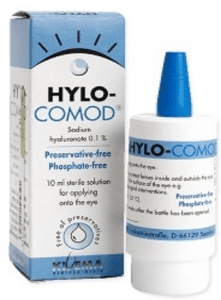
Hylo-Comod by Kwame distinguishes itself with its COMOD system (Continuous Mono Dose), which ensures sterility of the solution for up to six months after first opening the bottle. This solution is free of preservatives and free of phosphates, which makes it suitable also for the most sensitive eyes and for long-term use. Hylo-Comod contains sodium hyaluronate, a natural substance that improves the stability of the tear film, which makes it a perfect companion for those suffering from severe or chronic dry eye.
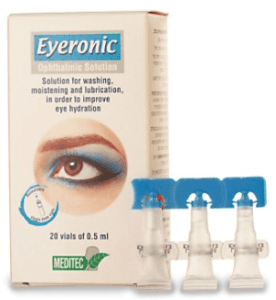 Ironic by Meditec
Ironic by Meditec offers a unique approach to managing dry eyes. With its hyaluronic-acid-based formulation, Ironic not only lubricates the eye but also promotes the healing of the eye surface. The patent-protected preservative-free system ensures a safe and effective dose every time. Ironic is also compatible with contact-lens use, and offers a versatile solution for a wide range of users.
Eye-Care by Dr Fischer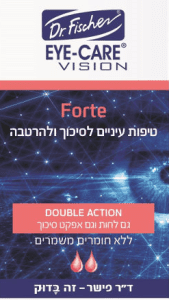
Dr Fischer's eye care is formulated with a unique blend of liposomes and vitamin A. This not only helps moisturize the eye surface but also restores the lipid layer of the tear film, thereby reducing evaporation and providing lasting comfort. It is free of preservatives and can be used for up to six months after opening. The product can be used with all types of contact lenses and is an excellent option for those seeking a comprehensive approach to treating dry eyes.
Lipitear by Med Products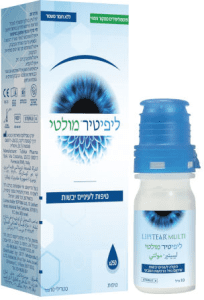
The last product on our list, Lipitear by Med Products, is a preservative-free multi-dose eye drop intended to provide lasting relief from dry eye. Lipitear works by creating a protective layer over the cornea, preventing tear evaporation and promoting hydration. Lipitear's unique formula includes phospholipids, substances that appear naturally in the tear film and contribute to its stability. It is an excellent option for those who need relief from moderate to severe dry eye symptoms.
All of these products are viable solutions for combating dry eye. The right one for you depends on your unique eye-health needs, the severity of your dry eyes and your lifestyle. It is always recommended to discuss these factors with an ophthalmologist before starting any new treatment. Dry eyes do not have to be a constant discomfort - with the right eye drops, you can find relief and protect your eye health.
In summary
Dry eyes are a very common problem in the population and one of the common problems in the human body. This condition can significantly harm the quality of life of those who suffer from it. By recognizing the symptoms of dry eyes and visiting an ophthalmologist, most sufferers of this syndrome can be treated and reach a significant improvement in their quality of life. Some of the treatments include natural anti-dryness eye drops, eye drops containing preservatives and those that do not. The drops for dry eyes should be matched to the severity of the dryness and according to the user's comfort.
Have a question about your eyes? Want a specialist opinion?