What is cataract surgery?
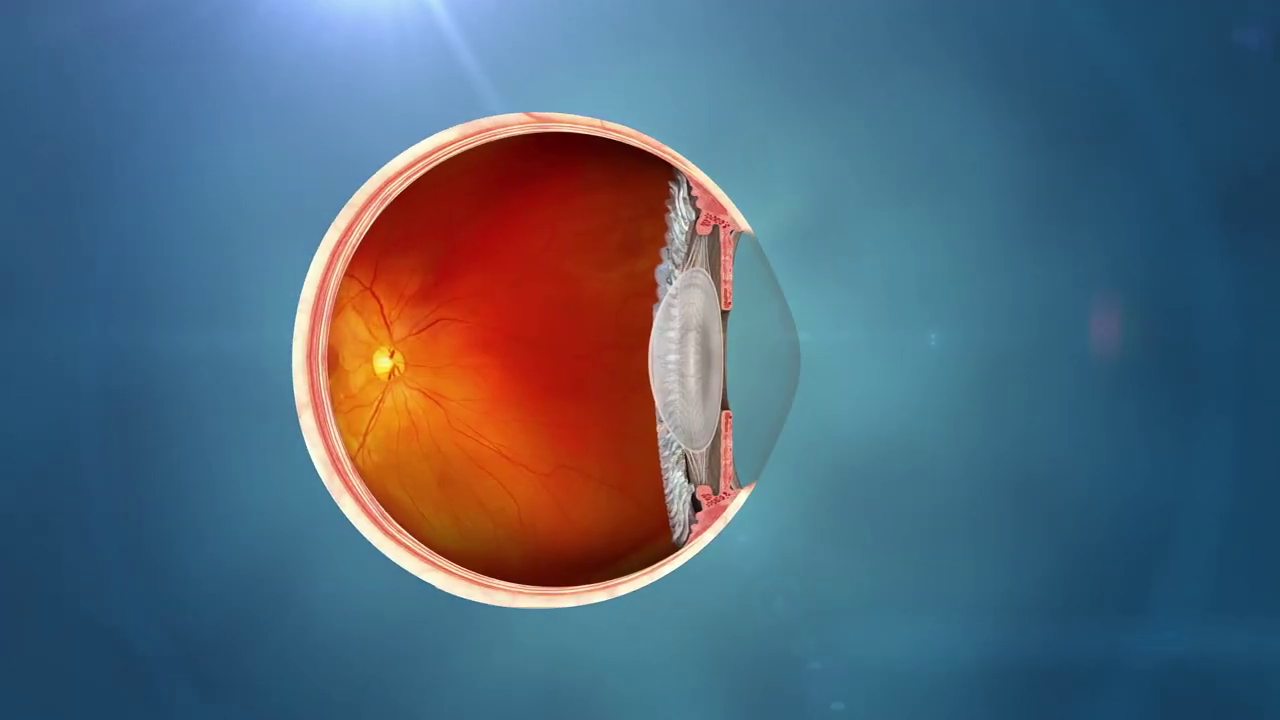
Cataract surgery is a procedure to remove the lens of the eye and in most cases to replace it with an artificial lens. In a normal state, when we are born, the lens of the eye is transparent. Cataract causes the lens to become cloudy over the years, which ultimately affects your vision.

Who is a cataract surgeon?
Cataract surgery is performed by a specialist ophthalmologist, a cataract surgeon, usually on a day-hospitalization basis, which means that you do not need to stay in the hospital after the surgery. Cataract surgery is very common and is usually a safe procedure with excellent results.
Why is surgery needed?
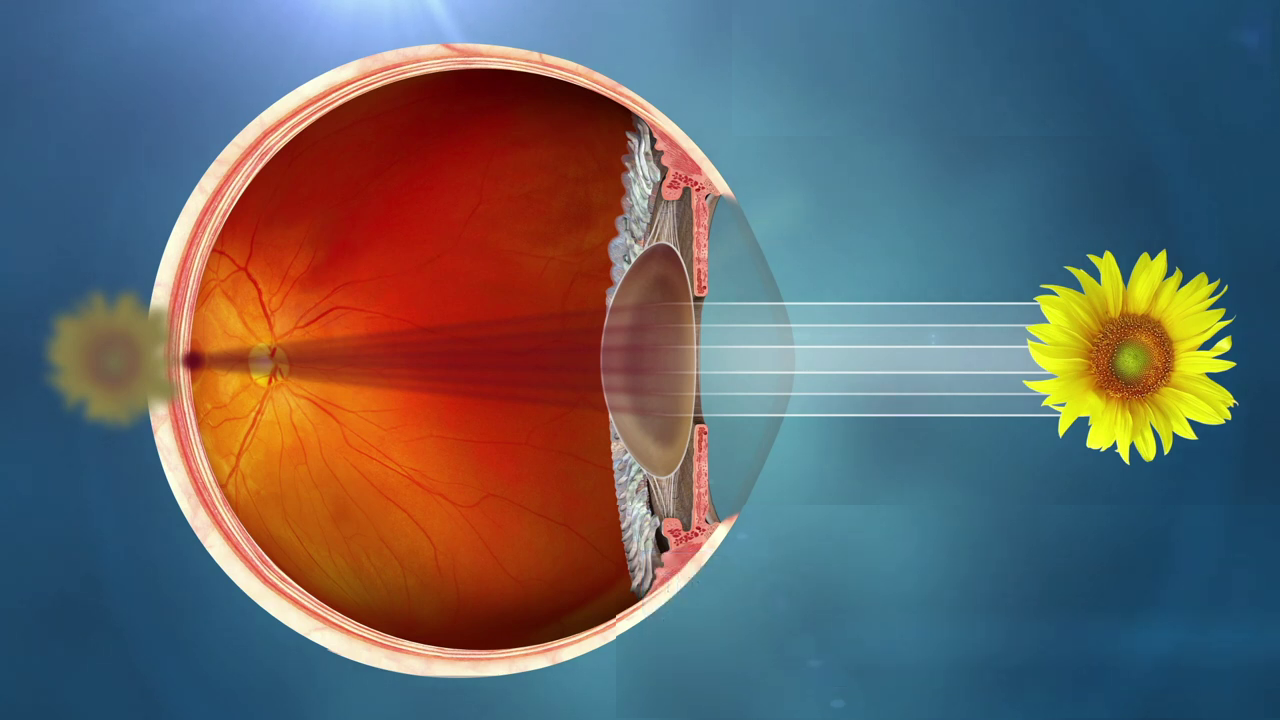
Cataract surgery is performed to treat a cataract that interferes with vision. A cataract can cause blurred vision and increased glare from lights. If a cataract makes it difficult for you to perform your regular activities, your doctor may suggest cataract surgery.
When a cataract interferes with the treatment of another eye problem, cataract surgery can also be considered. For example, doctors may recommend cataract surgery if a cataract makes it difficult for your ophthalmologist to examine the back of the eye in order to monitor or treat other eye problems, such as age-related macular degeneration of the retina or diabetic retinopathy.
In most cases, waiting for cataract surgery will not harm your eye, so you will have time to consider your options. If your vision is still fairly good, you may not need cataract surgery for many years, if at all.
When to consider cataract surgery?
When you ask yourself whether you want to undergo the surgery, ask yourself the following questions:
- Can you see well enough to perform your work in a safe manner?
- Do you have problems reading or watching television?
- Is it difficult to cook, do shopping, do yard work, climb stairs or take medications?
- Do vision problems affect your level of independence?
- Do bright lights make it difficult to see and bother you?
If the answer to some of these questions is yes, then it may well be worthwhile for you to consider undergoing the surgery sooner rather than later.
What are the risks of cataract surgery?
Complications after cataract surgery are rare, and most of them can be treated successfully.
The risks of cataract surgeries include:
- Inflammation
- Infection
- Bleeding
- Edema
- Drooping of the eyelid
- Displacement of the artificial lens
- Retinal detachment
- Glaucoma (a rise in the intraocular pressure)
- Secondary cataract
- Loss of vision
The risk of complications is greater if you have another eye disease or a serious medical condition. Occasionally cataract surgery does not manage to improve vision because of damage to the underlying eye from other conditions, such as glaucoma or macular degeneration. Where possible, it may be helpful to evaluate and treat other eye problems before making the decision about cataract surgery.
Preparation for cataract surgery
Food and medications
You may be asked not to eat or drink anything for 12 hours before cataract surgery. Your doctor may also advise you to temporarily stop taking any medication that may increase the risk of bleeding during the surgery. Tell the doctor if you are taking any medications for prostate problems, since some of these medications may interfere with or complicate the cataract surgery. You may be asked to put in antibiotic eye drops for use a day or two before the surgery to prevent infection.
Additional precautions
Usually you can return home the same day as the surgery, but you will not be able to drive, so it is advisable to arrange organized transportation home on the same day (to come with an escort, for example). It is also advisable to arrange help at home, if needed, since your doctor may ask you to limit activities, such as bending and lifting, for about a week after the surgery.
What to expect from the surgery?
Before the surgery
Before the surgery, the doctor performs a non-invasive and painless examination to measure the size of the eye and its shape. This helps to determine the correct type of lens implant (an intraocular lens, or IOL).
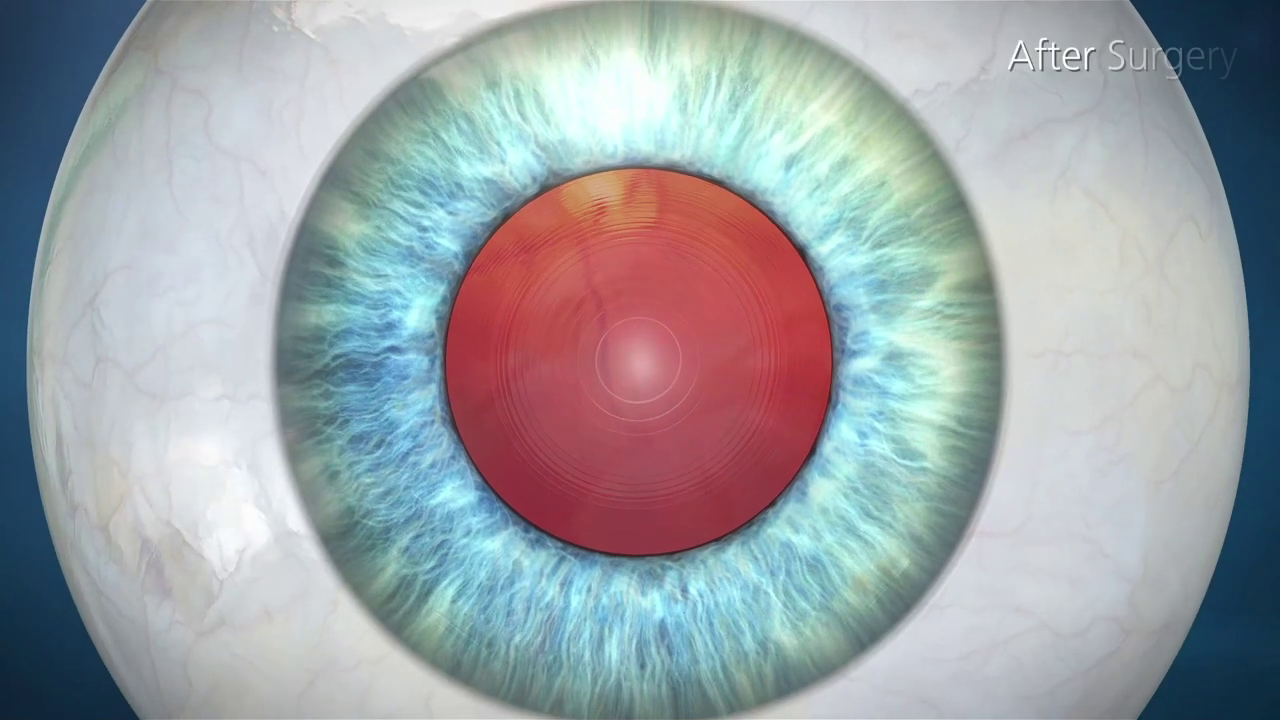
Almost everyone who undergoes cataract surgery will receive a lens. These lenses improve your vision by focusing light at the back of the eye. You will not be able to see or feel the lens. It does not require care and becomes a permanent part of your eye.
A variety of lenses with different properties are available. Before the surgery, you and your ophthalmologist will discuss which type of lens may be most suitable for you and your lifestyle. Cost may also be a factor, since insurance companies cannot pay for all types of lenses.
Lenses are made of plastic, an acrylic material or silicone. Some lenses block ultraviolet light. Some of the lenses are rigid plastic and are implanted through an incision that requires closure with several sutures.
However, the overwhelming majority of the lenses are flexible and allow a smaller incision that usually does not require sutures. The surgeon folds a lens of this type and inserts it into the empty capsule where the natural lens was. Once the lens is inside the eye, the folded lens opens and fills the empty capsule.
Types of lenses for cataract surgery
- Monofocal with fixed focus. This type of lens has a single focusing power for distance vision or for near, but not both. Usually they aim for distance, and then reading will usually require the use of reading glasses.
- Enhanced monofocal with accommodation. Although these lenses have only a single focusing power, they can respond to the movements of the eye muscles (in a limited way) and shift the focus to near or distant objects.
- Multifocal. These lenses are similar to glasses with bifocal or progressive lenses. Different areas of the lens have different focusing strengths, allowing near, intermediate and distance vision.
- Astigmatism correction (toric lens). If you have significant astigmatism, a toric lens can help correct your vision.
Talk with your eye surgeon about the advantages and risks of the various types of lenses in order to determine what is best for you.
During cataract surgery
Cataract surgery, which is usually performed on a day-hospitalization basis, takes an hour or less to perform (usually).
First, your doctor will put eye drops in your eye in order to dilate your pupil. You will receive local anesthesia to numb the area, and you may receive sedatives to help you relax. If you are given sedatives, you may remain awake, but a little drowsy, during the surgery.
During cataract surgery the clouded lens is removed, and usually a transparent artificial lens is implanted in its place. However, in certain cases a cataract can be removed without implanting an artificial lens.
Surgical methods used to remove a cataract include:
Use of a phacoemulsification device (ultrasound) to break the lens for removal. During a procedure called phacoemulsification, your surgeon makes a tiny incision in the front of the eye (the cornea) and inserts a thin probe into the lens material where the cataract has formed. Your surgeon then uses the probe, which transmits ultrasound waves, to break up the cataract and aspirate the particles. The back of your lens (the capsule) is left intact in order to contain and hold the artificial lens. At the end of the procedure sutures can be used to close the tiny incision in your cornea (usually not needed).
- Making an incision in the eye and removing the lens in one piece. A less common procedure called Extracapsular Cataract Extraction (ECCE). The operation requires a larger incision than the one used for phacoemulsification. Through the larger incision your surgeon uses surgical tools to remove the anterior capsule of the lens and the clouded lens that includes the cataract. The posterior capsule of your lens remains intact in order to hold the artificial lens. This procedure may be performed if you have certain eye complications or a very advanced cataract. After such a surgery there is usually a need for sutures because a larger incision is used.
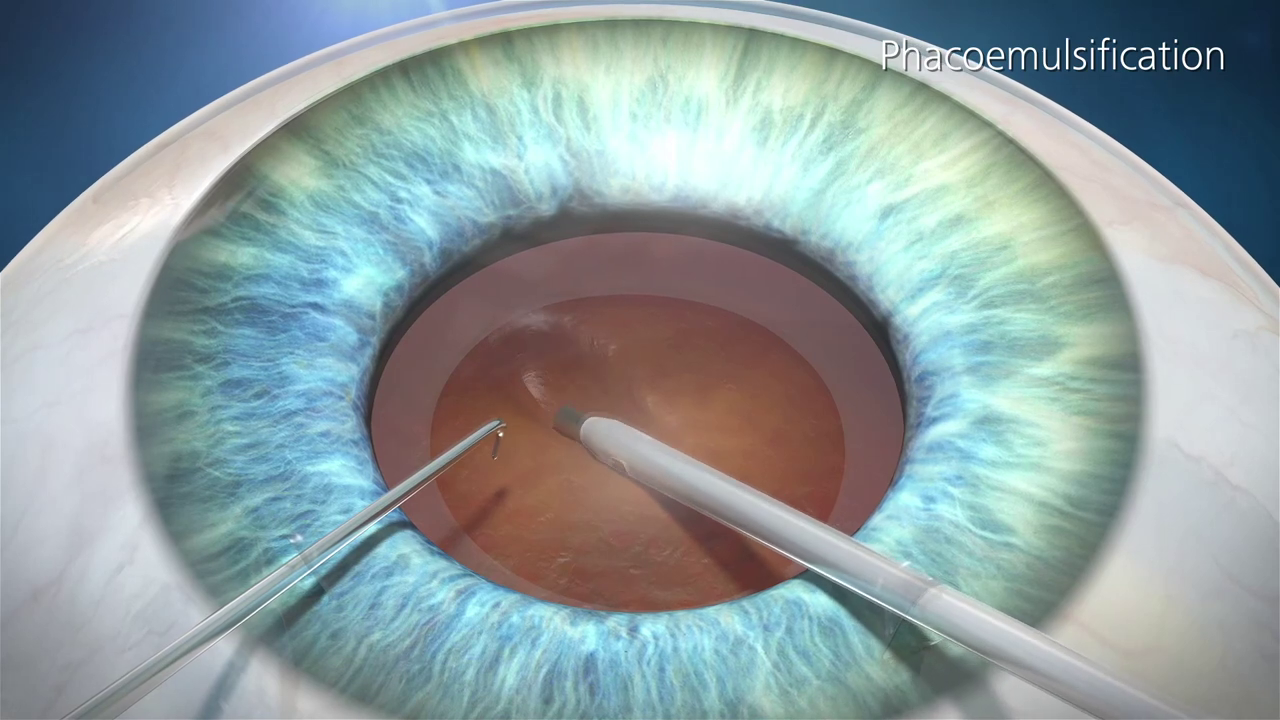
After removal of the cataract by one of the mentioned techniques, the artificial lens is implanted into the empty lens capsule.
After cataract surgery – what to expect after cataract surgery?
 People often ask what to expect after cataract surgery. Thanks to advances in technology, cataract surgery is a safe, effective surgery and one of the most common surgeries today. It usually involves a relatively easy recovery without many complications, but if the patient's health condition is complex or they suffer from serious eye problems, the risk of complications rises. The operating doctor will schedule follow-up appointments after the surgery to make sure that the recovery is progressing as expected and in order to identify complications at an early stage if they have occurred. The treating doctor may prescribe eye drops for the period after the surgery, and it is important to be careful to take them in order to achieve the optimal results. The drops can be antibiotic or anti-inflammatory drops that will promote healing and protect the eyes from infections.
Immediately after cataract surgery
Immediately after the surgery the patient will rest in a recovery area for about 30 minutes until the local anesthesia in the eye wears off. Of course, if the surgery was performed under general anesthesia for various reasons, a longer recovery is needed. Right after the surgery it is normal for vision to be blurred because the eye needs to heal and adjust to the new lens. An escort is needed to help with getting home, since the patient will not be able to drive for at least 24 hours and sometimes even more, until they feel that vision has improved and they are able to do so. The patient will receive a plastic shield that must be placed on the eye at night in the first week after the surgery or according to personal instructions from the treating doctor. Using a shield will prevent rubbing or scratching the eye by accident during sleep. In addition, sunglasses can be used when leaving the house, which will help against the glare and the halos that may be experienced upon exposure to bright lights. Many patients report clear vision within hours of the cataract surgery, but it is important to remember that the rate of recovery varies and it may take even weeks until vision becomes clear.
In the days after cataract surgery
As noted, vision in the days after the surgery can be blurred, and the image may be wavy or distorted for short periods. The patient may also suffer from a sensation of discomfort or mild itching in the operated eye, symptoms that are expected to disappear within a few days. Colors will appear brighter and stronger after the surgery because the lens is not cloudy.
In the month after cataract surgery
 Additional follow-ups are expected a week and a month after the surgery. Most patients will already have clear vision 8-10 weeks after the cataract surgery. If there is a cataract in both eyes, the second surgery is usually planned after the first eye has healed. Many will need glasses at least for a certain period after the surgery, and the treating doctor will recommend when to fit the eyeglasses based on the individual healing progress and the needs of each patient. Usually the fitting of the glasses will be done about one month to three months after the surgery. It is important to know that sunglasses will be required for protection against glare in the following months and even a year after the surgery.
If you experience one or more of the following symptoms, it is important to go to be examined by a doctor:
New flashes of light or many floaters, worsening of eye pain, deterioration in vision, if there is no improvement in the swelling or redness of the eye, discharge from the eye, nausea, vomiting or fever.
Serious complications after cataract surgery are rare, but as with any procedure, they can occur and it is important to be aware of them. Therefore the regular follow-ups and the quick turning to a doctor are important if signs appear that may indicate the development of a complication.
Is it necessary to take time off work after cataract surgery?
It is not recommended to return to work immediately after the surgery, but every patient is different, with a different recovery time and nature of work. If the patient wears glasses with a high number and underwent surgery in one eye, a considerable difference in numbers will be created between the eyes, something that may require adjustment and make work difficult. After performing cataract surgery in the second eye (if required) or fitting glasses after the healing and adjustment period, the situation will balance out. As noted, the situation also depends on the nature of the patient's work. For example, if the work involves the use of heavy machinery or driving, one should avoid returning to work before vision allows safe work for the patient and those around them. It is also advisable to postpone returning to work that involves dust or an environment that may contaminate the eye and harm the healing process.
What can be done to speed up the recovery?
Eye drops will be given by the treating doctor after the surgery, whose purpose is to help speed up the healing and prevent infection in the eyes. Care must be taken to use them according to the instructions in order to allow a faster and easier recovery. It is important to take steps to protect the eye in the period after the surgery, since this is a particularly vulnerable period. These steps include avoiding rubbing or scratching the eye (something that can be avoided by using an eye shield), protection against strong light and caution when washing the hair. Swimming should be avoided until the eye is completely healed. It is important to maintain hygiene and to clean the area around the eye according to the instructions.
Recovery from cataract surgery — additional information
In a normal eye, the lens of the eye is clear and completely transparent. A cataract is a condition in which there is clouding in the lens, and as a result the direct passage of the light rays through the lens to a focused point on the retina of the eye is impaired. The clouding in the lens occurs as a result of a change in the proteins that make up the lens of the eye, something that subsequently leads to a change in its structure.
In the early stages of the cataract there may not be an impairment in vision, but in the later stages we expect blurred, unfocused vision and even complete blindness if it is not treated. The cataract can appear in one eye only or in both eyes.
If the ophthalmologist notices difficulty in vision that impairs the patient's daily functioning, it is likely that they will refer the patient for cataract surgery. The recommendation for surgery will also be given in cases where the cataract is not necessarily the central cause of the disruptions in vision. This is because in surgery of this type the back of the eye is exposed, and this can help in the diagnosis of other eye impairments such as diabetic retinopathy, macular degeneration of the AMD type and more. It is important to note that a cataract is not an urgent medical condition, and therefore one should first consult with a specialist doctor about the surgical procedure and the risks before performing it.
At the beginning of the surgery, the doctor will drip anesthetic eye drops into the patient's eye for local anesthesia. Then he will remove the affected lens and implant in its place an artificial lens that in the medical world is defined by the name "intraocular lens". The surgery is not expected to last beyond 60 minutes.
After a short recovery time in the waiting room, if there are no complications, the patient is expected to be discharged accompanied by an additional person.
The stages of recovery from cataract surgery
Immediately after the surgery
At the end of the surgical procedure, the doctor will explain to the patient how to protect the eye optimally.
Drops and an eye shield or glasses to cover the eye will be given. It is recommended to use this cover also at night in the first week after the surgery, in order to prevent the possibility of rubbing or unwanted contact. Also, a recommendation may be given to avoid daily activities for a few weeks such as touching the eye directly, lifting heavy objects or bending the body. There may be a sensation of itching or discomfort in the case of exposure to light or to touch.
It is important to contact the treating doctor in one of the following cases:
– Loss of vision
– Significant pain that does not pass even after taking painkillers
– Chronic redness in the eyes
– Flashes of light or spots in the vision
In most cases the eye heals completely after 8 weeks from the surgery. A doctor's examination will finally determine whether the recovery is indeed complete and whether the surgery was successful.
Several days after the surgery
In the days after the surgery you may suffer from the following symptom(s):
– Blurred vision as a result of the eye's adjustment to the artificial lens
– A wavy or distorted image at times
– A sensation of itching, discomfort in the eye or tears.
– Redness in the eyes as a result of temporary damage caused to the small blood vessels located in the white part of the eye.
– Small hemorrhages in the eyes
– Perception of colors as brighter due to the use of a transparent and non-clouded lens
These symptoms are expected to pass within a few days.
A month after the surgery
After a month from performing the surgery, a reduction in the sensation of pain and discomfort is expected as a result of healing and recovery of the eye. It is possible that despite the reduction in symptoms, the doctor will recommend continuing to use the eye drops and to avoid exposing the eye to dust, dirt or contaminated water.
Also, there are reports of swelling that can remain in the months close to the surgery, and it may cause the perception of vision as blurred.
It is very important to consult with the doctor regularly at this stage of the recovery so that they can monitor the various stages of recovery.
When the patient's vision stabilizes, glasses will usually be recommended partially or permanently.
8 weeks after the surgery
As noted, complete recovery is expected after 8 weeks from the cataract surgery. Patients who suffer from a cataract in both eyes can at this stage consult with the doctor and schedule cataract surgery for the second eye, since it is not possible to operate on both eyes simultaneously.
The risks in cataract surgery
Cataract surgery is considered one of the safest and most effective surgeries, but in rare cases it may cause the following complications:
– Bleeding, infection or abnormal swelling
– Blindness
– Double vision
– A change in the eye pressure
– Retinal detachment
These complications can be treated if they are diagnosed at an early and non-advanced stage, and therefore one should be suspicious of vision changes after the surgery and seek consultation when needed.
Secondary cataract
A secondary cataract is a cataract that can appear after several weeks, months or years from performing the cataract surgery. It is not identical in its characteristics to the original cataract, but it too causes blurred vision. Its correction is simple and is performed by means of a laser.
After cataract surgery, expect your vision to begin to improve within a few days. Your vision may be blurred at first as your eye heals and gets used to it.
Colors may appear brighter after the surgery because you are looking through a new and clear lens. A cataract is usually of a yellow or brown hue before the surgery, and dulls the appearance of the colors.
You will usually see your ophthalmologist a day or two after the surgery, in the following week, and then again after about a month in order to monitor the healing.
It is normal to feel itching and mild discomfort for a few days after the surgery. Avoid rubbing or pressing on the eye.
Your doctor may ask you to wear a dressing or a protective shield on the day of the surgery. Your doctor may also recommend wearing the dressing for several days after the surgery and the eye shield when you sleep during the recovery period.
Your doctor may prescribe eye drops or other medications to prevent infection, reduce inflammation and lower the intraocular pressure. Sometimes, these medications can be injected into the eye during the surgery.
After several days, most of the discomfort should disappear. Often, full healing occurs within eight weeks.
Contact your doctor immediately if you encounter one of the following:
- Loss of vision
- Pain that continues despite the use of over-the-counter painkillers
- Increased eye redness
- Swelling in the eyelids
- Flashes of light or several new (floating) spots in front of the eye
Most people need glasses, at least part of the time, after cataract surgery. Your doctor will let you know when your eyes have healed enough for you to receive a prescription for eyeglasses from an optometrist. This is usually between one and three months after the surgery.
If you have a cataract in both eyes, the doctor usually schedules the second surgery after the first eye has healed.
Results of cataract surgery
Cataract surgery successfully restores vision in most people who undergo the procedure. People who undergo cataract surgery may develop a secondary cataract in up to 50% of cases (and this is an expected part of the process). The medical term for this process is known as posterior capsular opacification. This happens when the back of the lens capsule – the part of the lens that was not removed during the surgery and that now supports the lens implant – becomes cloudy and impairs your vision.
A secondary cataract is treated with a simple, painless five-minute laser procedure called yttrium-aluminium-garnet (YAG) capsulotomy. In YAG laser capsulotomy, a laser beam is used to create a small opening in the clouded capsule in order to provide a clear path through which the light can pass.
After the procedure, you usually remain in the doctor's office for about an hour to make sure that your intraocular pressure does not rise, although this is not mandatory. Other complications are rare but can include increased intraocular pressure, retinal detachment and edema in the macula of the retina.
News and articles in the field of cataract surgery

Cataract surgery recovery
Cataract surgery recovery – what to expect? Is a quick recovery expected after cataract surgery? After cataract surgery under local anesthesia you should be able to return home on the same day that the cataract surgery was performed
To the full article
Cataract surgery
What is cataract surgery? Cataract surgery is a procedure to remove the lens of the eye and in most cases to replace it with an artificial lens. In a normal state, when we are born, the lens of the eye is transparent. Cataract causes the lens to become cloudy over
To the full article
Types of lenses
Types of lenses in cataract surgery. The subject of types of lenses in cataract surgery has become very hot in recent years. There are multiple types of lenses that can be implanted when performing cataract surgery. Thanks to the development and innovations in surgical techniques
To the full article
Secondary cataract
A secondary cataract appears in about a third of the patients who underwent cataract surgery, and this is one of the reasons that follow-up after cataract surgery is so important. What is a secondary cataract and how does it affect vision? A secondary cataract, known
To the full article
Laser cataract surgery
What is laser cataract surgery? Short answer: by means of a femtosecond laser one performs a combination of the following stages of laser cataract surgery: incisions in the cornea, anterior capsulotomy, and softening of the lens nucleus. Laser cataract surgery (femtosecond laser-assisted
To the full article
Glasses after cataract surgery
When will glasses be fitted after cataract surgery? People want to know when glasses will be fitted after cataract surgery and whether there are alternatives? Usually the recommendation is to wait until the eyes heal and the number balances out, about 6
To the full articleCataract surgery questions
Questions regarding cataract surgery

Do you have questions about cataract surgery? Cataract surgery is a common, simple and life-changing surgery. However, every surgery constitutes a big and significant decision, and therefore important questions are expected to arise regarding the procedure.
How long does cataract surgery take?
The whole process, from the moment the patient enters until they leave the surgery, takes about two and a half hours. The surgery itself usually takes 20-40 minutes but is of course affected by many factors, among them the severity of the cataract and the surgeon's experience.
Is cataract surgery painful?
Cataract surgery is not painful but there may be a sensation of discomfort. Most cataract surgeries are performed under local anesthesia only. In rare cases there is a need to perform the operation under full anesthesia, and this is determined at the surgery preparation meeting. That is – in most cases the patient is awake during the surgery and can talk, and if they feel pain or discomfort they can alert and receive additional anesthetic substances.
Is this an emergency surgery? When is the best time to operate?
A cataract develops slowly and gradually, and with it the quality of vision gradually decreases. The right time to perform the surgery is when the cataract interferes with the patient's quality of life. Very rarely a cataract whose treatment is postponed may progress to a state that endangers vision and requires urgent intervention.
What are the side effects of cataract surgery?
The common side effect is clearer vision. Since the cataract (which is a clouding in the lens) blocks light rays, upon its removal the eye will detect more light relatively and therefore there may be a sensation of sensitivity to light. There may also be a decrease in the intraocular pressure (IOP). There may appear a kind of "floating objects" (floaters) or a dark crescent shape in the corner of vision, but they usually pass spontaneously within a few months at most. In addition, the surgery can cause a dry eye temporarily, something that is treated with eye drops.
How will my vision be after the surgery?

There are several factors that may affect this, for example the severity of the cataract, the general health condition and the condition of the eye before the surgery. Blurred vision after the surgery is usually caused by swelling or edema of the cornea. This condition is reversible, and most patients report an improvement in vision within 24 hours, with a gradual improvement over a week and up to eight weeks after the surgery.
Can cataract surgery eliminate the need for glasses?
If a traditional monofocal lens is chosen, most people will need glasses for distance and for near tasks. If a premium multifocal lens is chosen, there is a better likelihood of eliminating or reducing the need for glasses. As noted, after the surgery vision improves over a period of a few weeks, and therefore the ophthalmologist will wait before fitting glasses if they are needed.
Is it possible to drive after the surgery?
The surgery is done under anesthesia (usually local), and therefore after the surgery it is not possible to drive. However, in light of the fast and relatively easy recovery, you may be able to drive as early as after a day or two, depending of course on the individual recovery.
Does the surgery correct cylinder (astigmatism)?
One should consult with the operating doctor regarding astigmatism correction during the surgery, something that will slightly extend the recovery period but may improve the patient's lifestyle. A toric lens reduces and even completely solves the cylinder problem in parallel with correcting the cataract.
What is the chance that cataract surgery will get complicated?
The medical procedure to remove a cataract and implant an artificial lens has a 98% success rate. Today there are also new technologies such as laser cataract surgery that replaces many manual stages of the surgery and provides a higher level of accuracy. Although this is a common and simple surgery, as with any procedure there are risks. The complications range from mild side effects, usually temporary, up to complications that constitute a danger to vision. Fortunately, significant complications are extremely rare and include infection, swelling in the retina, bleeding and retinal detachment. Patients who have existing medical conditions such as diabetes, high blood pressure, chronic inflammations and chronic infections are at higher risk of developing complications. 98% of people undergo the surgery without complications and over 95% will experience a significant improvement in vision. Therefore it is important to perform the pre-surgery examinations to determine the surgical risk.
Is the surgery for life? Or does it need to be repeated?
The lens that the surgeon implants in the eye during the surgery is durable and there is no need to replace it for life. However, sometimes the capsule that holds the lens may become cloudy itself, something that blocks the arrival of the light rays to the retina through the lens, just like the initial cataract. A laser can be used in order to remove the clouded layer that interferes. It is important to note that this is not a return of the cataract, since the natural lens was removed. This is about the capsule that holds the lens.
When is it possible to travel after cataract surgery?
It is advisable to stay in the area for at least 7-10 days after the surgery and sometimes even more, depending on the condition of each patient and in coordination with the treating doctor. After that it is safe to travel by any means of transportation, including flights.
Have a question about your eyes? Want a specialist opinion?