Are there anti-cataract eye drops?
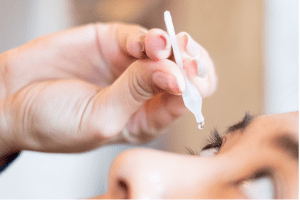
Many scientists are working on developing anti-cataract eye drops that would treat cataract, reduce the severity of the disease and perhaps one day even prevent it. If such eye drops were available at a reasonable price, this would have an enormous impact on eye health for millions of people, given the high prevalence of cataract. The main impact would be primarily on poor regions of the world where access to cataract surgery is limited, provided of course that the cost of drops of this kind is reasonable and attainable. The drops are called lanosterol and they may constitute a safe, non-invasive alternative to cataract surgery in patients who suffer from a mild form of cataract.
Also worth reading – Cataract removal without surgery
What is cataract? What causes it?
Cataract is a loss of transparency, or clouding, in the eye's natural lens. Our lens is made up of proteins, and when a person is young and healthy these proteins keep the lens transparent, which is essential for maintaining its proper function. As we age, these proteins become disrupted, crystallize and break down, and the lens becomes cloudy. Cataract makes vision hazy, foggy and blurred, and it is one of the leading causes of blindness in the world. Gradual development of cataract is natural and occurs as part of the normal aging process, and it is rare to find a complete absence of cataract among older people. In certain situations one can suffer from cataract of greater severity or at a younger age, for example when taking medications such as steroids. Cataract can also be a side effect of other eye surgeries, such as retinal surgeries, or a result of the patient's health conditions such as diabetes, habits such as smoking, and as part of genetic syndromes such as Down syndrome.
If there are no anti-cataract eye drops, then how is it treated today?
Cataract is treated today with great success by cataract surgery, a safe and common operation during which the cataract (the cloudy natural lens) is removed and an artificial lens implant is inserted in its place. The process usually takes less than half an hour and is performed under local anesthesia in most cases. Recovery from the surgery is fast, and over the course of a few weeks the vision gradually sharpens. After the surgery, follow-up visits are required to examine the pace of healing and to make sure there are no signs of infection or of the development of other post-surgical complications. The vast majority of surgeries are performed successfully with a minimal complication rate, and satisfaction with the surgery is usually high.
Which anti-cataract eye drops are in development?
The drops in development are made of lanosterol, a precursor of steroids. The role of lanosterol as a treatment for cataract was first evaluated in two children with a rare, inherited genetic condition that caused the development of cataract at a young age. In both children a mutation was found that caused an impairment in the production of lanosterol. Following this, scientists estimated that lanosterol has a role in preserving the transparency of the lens by preventing the crystallization of the proteins that make it up - the process that leads to clouding and to loss of function. In animal studies, lanosterol succeeded in significantly shrinking the size of the cataract and improving the transparency of the lens. Subsequently, studies were carried out in humans that were less promising than the studies done in animals, and more work is required for the drops to be effective and safe for use in humans. It appears that the drops will not improve vision to the same degree that surgery does, and this must be taken into account. Today, the treatment for cataract is surgical removal, but treating cataract with eye drops instead of with surgery is definitely a future possibility. If the drops do indeed become usable in the future, it would be a significant discovery that will affect the lives of many.
How can cataract be avoided if there are no drops for it?
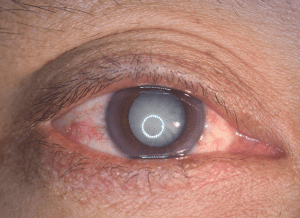
Even though the drops do not yet constitute an effective treatment, there are lifestyle strategies that improve eye health and thereby have the potential to slow the progression of cataract. In most cases a stage will arrive at which the lens is cloudy to a degree that will require replacement by cataract surgery, but if it is only an initial stage, one can try ways to slow the progression and postpone the need for surgery.
Sunglasses that block UV radiation
Just as the skin is harmed by increased exposure to the sun's radiation, so too are the eyes, and the radiation may contribute to the development of cataract. The recommendation to use sunglasses that block UV radiation is relevant for all ages, and if the stay is long, use of a wide-brimmed hat is also recommended.
Maintaining proper nutrition
Studies have shown that antioxidants, whole grains and fresh fruits and vegetables in a variety of colors provide vitamins and nutrients that are good for the eye (and of course also for general health) and can reduce the formation of cataract and its progression. Carrots, in particular, nourish the eyes with beta-carotene, which is converted into vitamin A. In contrast, carbohydrates in large amounts are not good for the eyes and it is advisable to avoid them.
Avoiding smoking
Smoking is a risk factor for developing cataract and may cause additional eye problems.
Medications
There are many medications that, as part of their side effects, may lead to developing cataract. It is important to consult the treating physician before making any change to drug treatment, and this should not be done on your own initiative. However, it is worth raising the problem with them, and it may be possible to make a medication change that will slow the development of cataract.
Have a question about your eyes? Want a specialist opinion?