What is a pterygium? Is a pterygium removal specialist needed for it?
Pterygium surgery by a pterygium removal specialist is a relatively simple surgical procedure, performed under local anesthesia, lasting about 15–30 minutes. A pterygium (pronounced pte-ri-gi-um) is a benign tissue growth that grows pathologically from the conjunctiva (the thin membrane covering the white of the eye) toward the cornea (the transparent central part of the eye) and may cause eye inflammation, redness and vision disturbances.
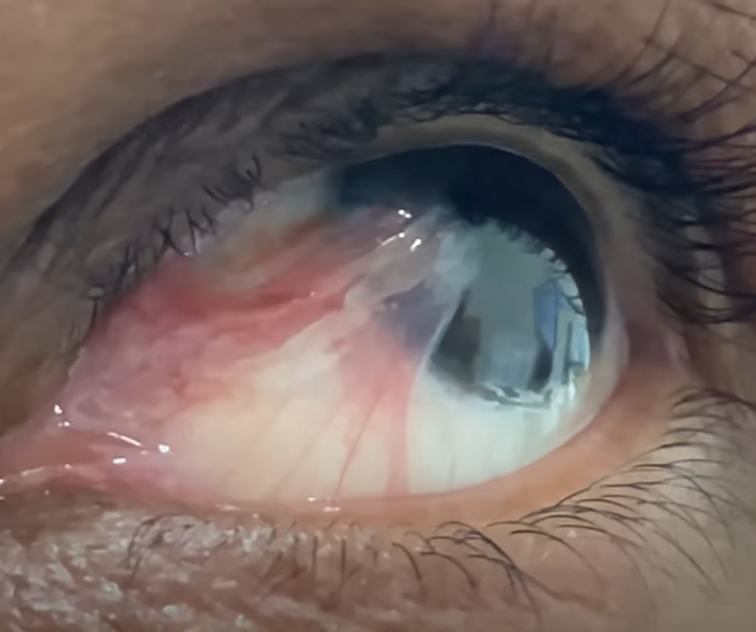
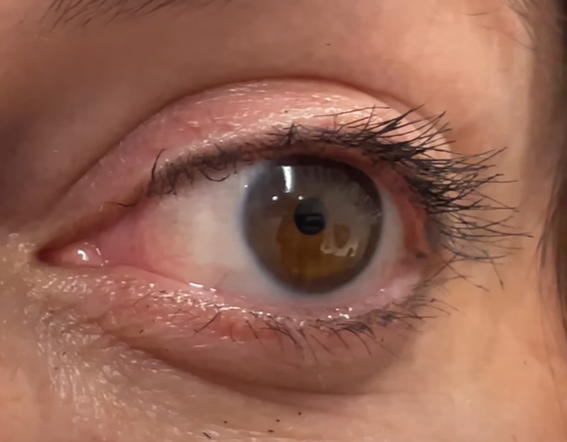
A pterygium can appear in both eyes, and usually appears on the side of the eye closer to the nose.
What causes a pterygium?
The exact cause of a pterygium is unknown, but there is a very close association with exposure to ultraviolet radiation and to hot, dry environments that act as a trigger for the abnormal growth.
A pterygium is more common in the sunnier parts of the world and among people such as farmers and surfers who spend a lot of time outdoors, but anyone can develop a pterygium.
Can a pterygium grow back?
A pterygium can grow back after its removal. A recurrent pterygium usually grows faster than the primary pterygium.
Although a pterygium removal specialist will use the best treatments to try to prevent recurrence of the pterygium, the risk of the lesion returning is unpredictable. Statistically, one in every 10 patients may have renewed growth.
How can a pterygium be prevented?
The best way to reduce the risk of developing a pterygium is to protect the eyes from ultraviolet light. UV radiation can also cause cataract and other eye diseases, as well as the development of skin cancer.
It is highly recommended to reduce sun exposure between the hours of 10:00 and 14:00. Wearing a hat and wraparound sunglasses will also help you.
How can a pterygium be treated by a pterygium removal specialist?
In cases where the pterygium is not actively growing on the cornea, protecting the eyes from ultraviolet light may often stabilize its growth.
In certain cases, provided it is not a vision-threatening case, this may be all that is required.
In cases where the pterygium is actively growing on the cornea and threatens to distort vision, the only effective treatment is surgical removal.
Although the procedure itself lasts about 30 minutes, you should expect to remain under observation for about 6 hours.
The course of the surgery:
The pterygium is lifted free from the eye and cut away. To reduce the risk of renewed growth, the pterygium removal specialist will perform a conjunctival transplant from the patient themselves. This is a transfer of a small part of the conjunctiva (from under the upper eyelid) to the site of the excised pterygium.
The healthy tissue inhibits the growth of any sun-damaged cells that remain in the affected part of the eye.
This procedure does not require sutures and can be done with fibrin glue.
What can I expect after surgery with a pterygium removal specialist?
After discharge from the clinic, your eye will be taped and remain closed until the post-operative appointment, which usually takes place the day after surgery.
For several days after surgery, some discomfort is possible and pain relief will be needed.
Taking eye drops for daily use during the first week is important.
You will need to avoid strenuous activity for about a week after surgery. Recovery times vary between patients. Full healing is usually achieved within a month if there are no complications.
What are the risks of pterygium surgery?
All surgical procedures involve a certain risk and we cannot guarantee that the surgery will always succeed.
During the healing process, some patients have significant pain and it may be necessary to take painkillers.
The sensation of irritation and dryness of 'grit in the eye' may persist.
The site where the pterygium was excised may be red for a prolonged period.
Wound infection is uncommon, but if it occurs, antibiotic treatment will be needed.
Bleeding is uncommon and should be reported to the operating surgeon immediately.
Some scarring on the cornea is possible following the pterygium removal surgery. This is usually a very mild condition that does not affect vision unless the pterygium was very large.
Have a question about your eyes? Want a specialist opinion?