What is a pinguecula?
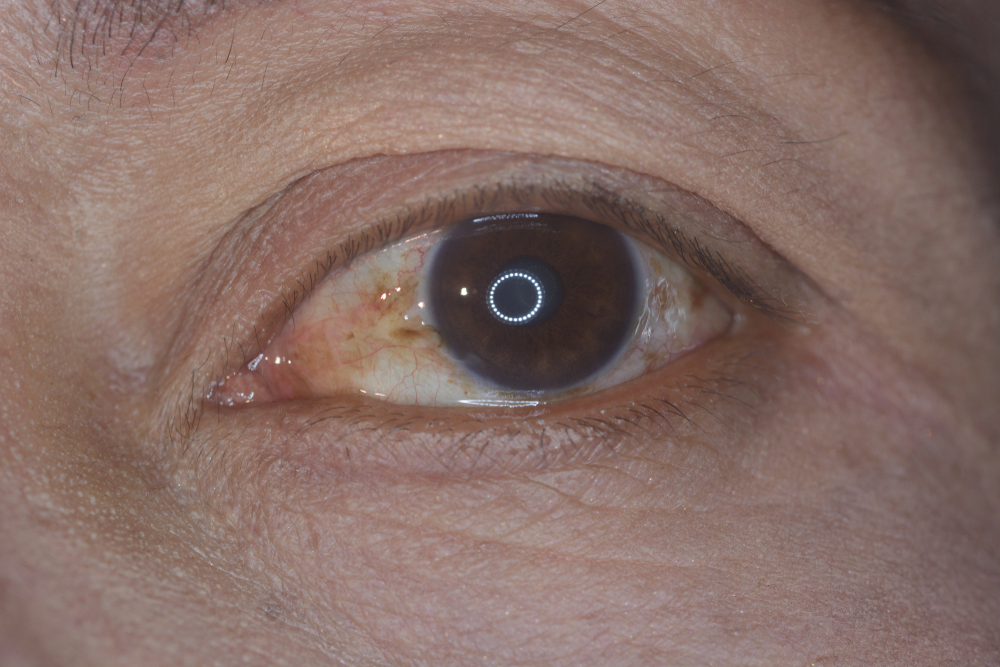
A pinguecula is a benign lesion of the conjunctiva of the eye which usually appears on the nasal and temporal sides (more commonly on the nasal side).
What causes a pinguecula in the eye?
These lesions appear as a result of exposure to ultraviolet rays (UV rays) and to other, less significant environmental factors. So, for example, a population at higher risk are patients who suffer from a disease called xeroderma pigmentosum — a disease inherited in a recessive manner and characterised by the body's inability to repair damage caused to DNA by exposure to the sun.
For pinguecula removal by advanced methods call 058-644-5151
What are the symptoms?
These lesions are usually asymptomatic. In some people they cause local inflammation and a significant sensation of discomfort. They may interfere with contact lens wearers. They constitute an area more frequently prone to episcleritis — a benign inflammation of the layer enveloping the white of the eye (the sclera) which is usually treated conservatively. In addition, a pinguecula may cause a subconjunctival haemorrhage.
What are the signs of a pinguecula?
Ophthalmologists can diagnose a pinguecula and its prominent characteristics by a simple examination under the slit lamp. They are located adjacent to the limbal area and are yellowish-white in colour with sub-epithelial deposits. The layer above the pinguecula may be calcified. Over time the pinguecula can grow and may develop into another lesion called a pterygium.
What is the treatment?
In situations where there are no symptoms (which is the case in most instances) there is no need for any treatment. Where there is local irritation, lubrication alone is usually sufficient. In most cases pinguecula surgery is not needed, but there are a few indications for surgery. A trial of treatment with topical (local) steroids can be undertaken in cases of chronic inflammation (though it is not recommended over a long period).
Indications for performing pinguecula surgery
- Surgery on cosmetic grounds
- Chronic inflammation or persistent discomfort despite conservative treatment
What is done in pinguecula surgery?
Where it has been decided to operate, the lesion is removed and an autologous conjunctival graft is transplanted in its place (similar to pterygium surgery).
Have a question about your eyes? Want a specialist opinion?