Looking for information on a non-surgical eyelid lift? You have come to the right place - here you can learn everything about eyelid lifting, eyelid surgery and non-surgical eyelid lifting.
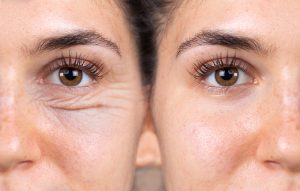
As gateways to the soul, our eyes are more than visual instruments; they are an expression of our emotions, thoughts and individuality. However, as we age, our eyelids may begin to droop, a common phenomenon often associated with the natural aging process. While surgical options such as blepharoplasty surgery can effectively rejuvenate drooping eyelids, many seek non-invasive methods that are less risky, less expensive and have a shorter recovery period. This article delves into the world of non-surgical eyelid lift methods, an evolving field that offers promising results.
The aesthetics of the eye and aging
The human eye is more than just a complex organ. Its surroundings are made up of intricate structures and muscles that can significantly affect a person's appearance. The area around the eyes, including the eyebrows, eyelids and lashes, contributes greatly to the aesthetics and expression of the face.
As we age, the elasticity of the skin decreases, and the muscles supporting our eyelids weaken, causing them to sag. This condition, known medically as “ptosis,” can not only affect appearance but also block vision in severe cases. In the past, the conventional solution was a blepharoplasty surgical procedure, but now, with the advent of advanced technology and a better understanding of facial anatomy, non-invasive methods have gained popularity.
Non-surgical eyelid lift: how does it work?
A non-surgical eyelid lift makes use of various strategies and technologies to accelerate collagen production, tighten the skin and lift the eyelids. In this section we will discuss the various non-surgical eyelid-lift methods that are gaining traction thanks to their safety, effectiveness and minimal downtime:
Thermage
This process uses radiofrequency energy to heat the deeper layers of the skin, accelerate collagen production and lead to a natural tightening effect. The procedure usually lasts about 30 to 90 minutes, and patients may experience warmth in the area. The effects of Thermage become apparent over a period of two to six months as the body produces more collagen.
Ultherapy
This process uses ultrasound technology to deliver heat energy to the skin layers, which stimulates collagen production. Ultherapy has been approved by the FDA for eyebrow lifting and can help lift drooping eyelids indirectly by targeting the energy to the eyebrow area. The results appear gradually over three to six months as the collagen network is renewed.
Plasma pen (fibroblast therapy) - plasma non-surgical eyelid lift
Plasma treatment, also known as fibroblast therapy, creates tiny plasma flashes between the device and the skin. These flashes create small scab-like dots on the skin that tighten and lift the skin as it heals, while stimulating fibroblast activity and collagen production in the process. A plasma pen treatment can show noticeable results in a single session, although a series of sessions may be necessary for optimal results.
Botox and dermal fillers
Injection treatments, such as Botox and dermal fillers, are popular options for a non-surgical eyelid lift or non-surgical eyelid tightening. Botox works by temporarily paralyzing the muscles that pull the eyebrows down, allowing the forehead muscles to pull them up, giving an indirect eyelid lift. Dermal fillers, on the other hand, can restore lost volume in the eyebrow or upper-eyelid area, gently lifting the eyelid.
Accompanying care and results
While these procedures require significantly less rest time than eyelid-lift surgery, redness, swelling or bruising may be expected, depending on the type of treatment. The pain is usually minimal and short-lived, and over-the-counter painkillers can ease the discomfort. Most people can return to their normal activities immediately after treatment. In other words, these types of eyelid surgery have a relatively short recovery.
Side effects and considerations
Although non-surgical eyelid-lift procedures are generally safe and well tolerated, they are not without possible side effects, just as eyelid-lift surgery has risks of its own. Mild redness, swelling, tenderness and bruising are typical after most treatments, but these usually pass within a few days.
With Thermage and Ultherapy, some patients may experience a temporary change in the sensation of the skin over the treated area. Plasma treatment may leave a small crust on the skin that must not be peeled, and it will fall off naturally within a week.
Injections such as Botox and dermal fillers may cause temporary bruising and swelling. Rarely, patients may experience adverse effects such as infection, asymmetry, or even vision problems if not treated properly. Therefore, it is essential to consult an experienced cosmetician or dermatologist who can properly assess your suitability for treatment and administer it safely.
Remember, “non-surgical” does not mean “non-medical.” Therefore, do your homework, consult a professional, understand the process and the potential risks, and maintain realistic expectations. Likewise, just as eyelid surgery has a cost that depends on various factors, non-surgical methods also have a variable cost. Accordingly, seeking a non-surgical eyelid lift through one health fund will differ from another health fund. That is, for a non-surgical eyelid lift with Maccabi, the health fund will offer different services compared with performing a non-surgical eyelid lift with Clalit. In addition, it is worth consulting acquaintances who have undergone the procedure and asking about their judgment regarding the eyelid lift before and after the procedure was performed.
Effectiveness
The results of a non-surgical eyelid lift or non-surgical eye lift can vary from person to person, mainly based on the person's skin condition and the method chosen. However, these methods generally offer noticeable improvements in the appearance of drooping eyelids.
With Thermage and Ultherapy, the results tend to appear gradually over several months as the collagen network is renewed, and they can last up to a year or more. Plasma eyelid treatment (plasma treatment for lifting eyelids) often shows immediate tightening of the eyelids, with the full effect seen after several weeks, and the results can last up to three years with appropriate skin care.
Botox results usually appear within a week and last about three to six months, while the effects of dermal fillers can last between six months and more than a year, depending on the type of filler used.
Summary
In the pursuit of youthful eyes, non-surgical eyelid-lift options offer a promising alternative to invasive surgery. They provide a sustainable solution for those seeking a fresh, youthful appearance without the risks, costs and downtime associated with surgery. While these methods may not fully replicate the results of surgery, they can offer significant improvements, boost confidence and contribute to a more youthful appearance.
Each method has its own unique advantages and considerations, so it is crucial to consult a knowledgeable professional who can provide guidance in choosing the method best suited to the patient's needs and wishes. It should be remembered that our eyes are delicate, and vision is priceless, so every cosmetic procedure should be carried out with the utmost care and under professional supervision.
Non-surgical eyelid-lift methods represent a new frontier in aesthetic medicine, in which advanced technology and a better understanding of facial anatomy can create natural, gentle rejuvenation. As we continue to explore these possibilities, the future of cosmetic procedures becomes more and more exciting, providing more options for people to age gracefully and with confidence.
Have a question about your eyes? Want a specialist opinion?