When is there swelling in the lower eyelid?
Swelling in the lower eyelid is a relatively common condition. The eyelids are covered by a thin layer of skin one millimeter thick and contain oil, tear and lash glands; the delicacy of the eyelid and its relative complexity are the reason the eyelid is sensitive to the appearance of swelling and inflammations of various kinds.
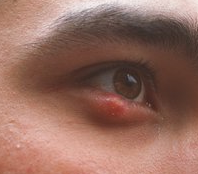 The causes of lower eyelid swelling are varied and can range from a simple allergy or a blocked oil gland to dangerous conditions such as infection of the soft tissues in the eye socket.
In most cases, the swelling passes within 24 hours. The swelling can be reduced with compresses, but how a swollen eyelid is treated depends mainly on the cause.
How is lower eyelid swelling caused?
Swelling in the lower or upper eyelid can be caused by local inflammation or infection, but in most cases the swelling is broader and can affect both eyelids or both eyes if it is an allergy or fluid retention.
Several reasons that the eyelid may be swollen include:
- Allergies
- Insect bite
- Fluid retention in the body due to a kidney or heart disease
- Pink eye (conjunctivitis)
- A sty, a fine red bump, can cause swelling in the lower eyelid
- A cyst, a blocked oil gland (chalazion), will appear as swelling in the lower or upper eyelid
- Orbital or preseptal cellulitis, inflammation that spreads to the skin around the eyes
- Trauma or injury, often accompanied by a change in color
- Certain medical conditions can also cause symptoms of a swollen eye or eyelid. These include Graves' disease and eye cancer, although these are rarer conditions.
What complications can occur?
In many cases the swelling will be the only symptom, but sometimes pain, watery eyes, local pain and redness, discharge from the eyes, fever and changes in vision will be added to it. To avoid complications and damage to vision, one should see an ophthalmologist if the swelling lasts more than 24 hours, if there are changes in vision or fever.
What is the correct treatment for lower eyelid swelling?
Before treating, it is necessary to understand the medical cause of the swelling and treat the cause; an important matter is to distinguish between the appearance of swelling as a localized symptom or on a bilateral ocular background. Eyelid swelling can be relieved at home, especially if it is caused by fluid retention, stress, allergies or lack of sleep. If these are the causes, the swelling will usually be in both eyes and cold compresses on the eyes will ease the condition. If the cause of the swollen eyelids is allergies, antihistamine eye drops can be used. For severe allergic reactions, prescription eye drops may be needed. Oral antihistamines can also help. If your eyelids are painful to the touch and red only locally, and there is swelling in the lower or upper eyelid, the cause is most likely an infection, cyst or sty. It is important to determine the cause of your swollen eyelid, since treatment options depend on the cause, and seeking medical help is important.
Can a sty cause swelling in the lower eyelid?
- A cyst or chalazion will appear as swelling in the lower or upper eyelid. A chalazion, a condition in which local inflammation develops due to a blocked oil gland, usually appears in the middle part of the eyelid. Cysts may remain for several weeks.
Treatment: for relief, place a warm compress over the eye. The heat can help relieve the blockage in the oil glands. If the cyst does not pass or is painful and discharges fluid, one should seek medical help since drainage of the inflamed cyst may be needed.
- A sty forms due to an infection at the base of the eyelid near the lash. It often appears as a well-defined red bump. A sty often discharges pus.
Have a question about your eyes? Want a specialist opinion?