 The lens is located behind the posterior chamber of the eye and the iris, and has a biconvex structure.
The eye's lens is composed of:
- Capsule
- Epithelium
- Fibers
Dioptric power and the dimensions of the human eye's lens
The lens contributes about one third of the eye's optical power (measured in diopters), which totals 60D.
At birth, the equatorial diameter of the lens is about 6.5mm and it keeps growing until our 30s, stabilizing at about 10mm. The axial length, by contrast, starts around 3mm and continues to grow into old age, reaching about 6mm.
Accommodation, presbyopia and reading glasses
April 2, 2017Accommodation allows our eye to focus on objects close to us. Presbyopia marks the deterioration of this ability, which may eventually lead to the need for reading glasses. Accommodation, like the lens

Not seeing well after cataract surgery
September 21, 2023There can be several reasons why you don't see well after cataract surgery. From a normal process of slight intraocular inflammation following the surgery, to complications such as retinal detachment and macular edema. In the article
Types of lenses
January 17, 2022Types of lenses in cataract surgery — the topic of lens types in cataract surgery has become very hot in recent years. There are many types of lenses that can be implanted during cataract surgery. Thanks to developments and innovations in surgical techniques
Cataract surgery recovery
December 2, 2021Cataract surgery recovery – what to expect? Is a quick recovery expected after cataract surgery? After cataract surgery under local anesthesia you should be able to go home on the same day the cataract surgery was performed
Recommended cataract surgeon
January 6, 2022The best cataract surgeons — ahead of cataract surgery it is advisable to make sure that whoever performs the surgery is a recommended cataract surgeon with extensive experience in performing the procedure, since after all this is an ocular operation with risks
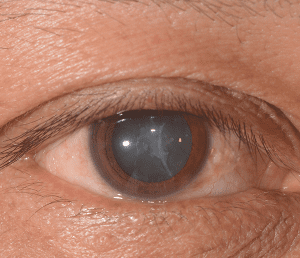
Lens
April 2, 2017The lens is located behind the posterior chamber of the eye and the iris, and has a biconvex structure. The eye's lens is composed of: capsule, epithelium, fibers. Dioptric power and the dimensions of the human eye's lens — the lens contributes about one third
Accommodation
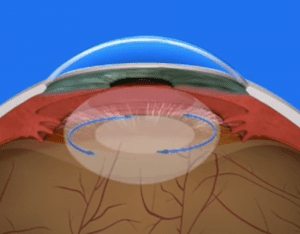
When we are young, our ability to accommodate at near (the ability to increase optical power as an object approaches) is achieved by contraction of the ciliary muscles. The contraction of these muscles causes a decrease in the tension of the zonules. This decrease in zonular tension allows the lens to take on a globular shape, which strengthens its optical power.
Presbyopia
With age our dioptric power, based on accommodation, drops from about 14D to 2-3D at an older age – this phenomenon is called presbyopia. At this stage, people tend to turn toan ophthalmologistwith a complaint about their ability to read books or newspapers. The possible causes of this phenomenon are:
- Growth of the lens
- A hardened lens
- Changes in the texture of the zonules
Nourishment of the lens
It is important to note that the lens is avascular, and therefore it receives its nutritional supply from the vitreous and the aqueous humor.
Additional articles: | Accommodation | Ectopic lens | Cataract |
|---|
Have a question about your eyes? Want a specialist opinion?