Is a stye in the eye contagious?
Many people are worried about this question, especially when it comes to children who have developed a stye. People have a mistaken perception that if they have a stye, they must avoid contact with others in order to avoid infecting them. That is, many people believe that a stye is contagious, but this belief is unfounded. Since a stye is a local inflammation affecting the eyelid itself and does not spread by superficial contact alone, it is usually not a contagious disease. As a result, it is important to maintain hygiene and wash hands before and after contact with the eyes, including between touching one eye and the other.
What is a stye in the eye
A common problem in ophthalmology affecting the entire population is a stye in the eye. Itching, a warm bump on the eyelid that is uncomfortable to touch, swelling and redness of the eyelids and other symptoms often accompany a stye. The possibility of developing a stye is higher in certain circumstances, such as in people with a history of recurrent eyelid inflammations, skin diseases, diabetes or high cholesterol levels. However, most people will experience a stye in the eyes at least once in their lives. A person's chance of acquiring a stye increases if they do not maintain good eye hygiene, such as not removing eye makeup or putting in contact lenses without washing hands.
News and articles on the topic of stye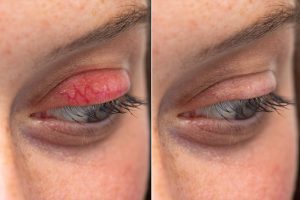
Chalazion
September 7, 2021What is a chalazion? Chalazia (the plural of chalazion) are the most common inflammatory lesions of the eyelid. They usually enlarge slowly and present as painless lumps in the eyelids. A chalazion is usually benign and resolves on its own,
Stye in the eye
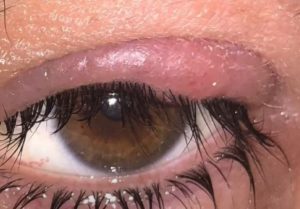
August 19, 2021A trapped stye in the eye. Introduction to a stye in the eye. A stye in the eye is a local inflammation located in one (or more) of the small glands found in the eyelids and responsible for secreting the oily substances needed to form tears. These glands
Stye in the eye grandma's remedies
November 13, 2022Grandma's remedies for a stye. How to treat a stye in the eye — grandma's remedies — a local inflammatory swelling on the eyelid along the lash line is known as a "stye in the eye". One of the secretory glands near the edge of the eyelid, responsible for secreting
Is it contagious?
In general, a stye in the eye is not considered a contagious condition. However, small amounts of bacteria can spread from the stye. One should not try to pop or squeeze the stye gland, since tearing it can disperse bacteria from the local infection to other parts of the face. Although a stye is not contagious, it is full of fluid that contains bacteria. During the healing and drainage process of the infection, bacteria from it can spread to additional parts of the body and to other people. Therefore, precautions should be taken and one should avoid contaminating other body parts or other people around you. As long as the guidelines and the various treatments for a stye are followed, one can say that a stye in the eye is not contagious.
Treatments for a stye in the eye
A stye in the eye is a very common condition, and over time many solutions have been devised for it, such as "grandma's remedies for a stye in the eye". That is, a stye in the eye can also be treated with various home solutions. These treatments are meant to soothe the inflammation and sometimes even treat the stye itself. You can read about various methods for treating a stye in the eye here.
In summary
People who experience multiple recurrences of a stye in the eye, as well as those who have other risk factors such as chronic eyelid inflammations, should take extra care according to prevention rules in order to prevent stye infection. As much as possible, one should follow the guidelines, since adhering to them significantly reduces the likelihood of a stye recurring and the possibility that it will infect others.
As noted, the likelihood that a stye in the eye will be contagious can be reduced by making sure to wash hands before and after any contact with the eyes (including putting in contact lenses), completely removing eye makeup before sleep, not sharing makeup products with other people, as well as towels and pillowcases.
Have a question about your eyes? Want a specialist opinion?