Is eyelid pain common?
Eyelid pain is a common problem that can appear in children and adults. The upper and lower eyelids may be affected at the same time, or only one of them. Among the symptoms that can be experienced at the same time as eyelid pain are redness and swelling, watery eyes, a foreign body sensation and more.
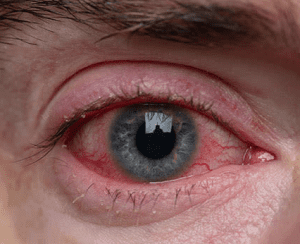
Causes of eyelid pain
Reasons that may cause eyelid pain.
Bacterial infections
Bacterial infections can lead to pain in the eyelids. Haemophilus influenzae, Staphylococcus aureus, Pseudomonas aeruginosa and Streptococcus pneumoniae are among the most common types of bacteria responsible for these infections. Symptoms include painful, swollen, red and tender eyelids and sometimes discharge as well. Typical treatments for bacterial infections are antibiotic eye drops and oral medications.
Viral infections
Viral infections can be caused by adenoviruses, herpes and others. You may feel some of the following symptoms: eyelid pain, watery discharge, redness. Treatments may include steroid eye drops, artificial tears, antihistamines, decongestants and other prescription eye drops.
Chronic blepharitis
Blepharitis – inflammation of the eyelids caused by blocked oil glands near the lashes at the edge of the eyelids. Symptoms include: swollen and painful eyelids, loss of lashes, flaking skin on the eyelids, redness, watery discharge, sensitivity to light. This is a chronic condition that does not always respond easily to treatment, although placing a warm compress at home may reduce the inflammation. See your doctor if the condition persists; you may need antibiotics, steroid drops or ointments.
Sty
A sty is a condition in which red, swollen bumps appear on the eyelids due to a bacterial infection in the oil glands. Usually the bump on the eyelids contains pus. Symptoms include: eyelid pain, redness, itching, watery eyes, swelling. A warm cloth can be placed several times a day to relieve the symptoms. Treatments under a doctor's responsibility include antibiotic eye drops or creams and oral antibiotics. In rare cases, you may need surgery to drain the pus.
Allergies
Allergies can irritate the eyes and cause eyelid pain. This can happen because pollens, dust, animal fur and other environmental factors activate the immune system excessively. The body releases histamine in response, so you may experience one of the following symptoms: redness, a burning sensation, swelling, itching, watery discharge. Common treatments include eye drops, antihistamines and decongestant medications. Home treatments include wearing sunglasses outside and placing a cool, wet cloth on the eyes.
Additional causes of eyelid pain
- Trauma
- Wearing contact lenses can irritate the eyes and cause eyelid pain. Dirty lenses can lead to infections and other problems. A torn or damaged contact lens can also cause pain and irritation. There may be redness, swelling, irritation and pain in the eyelids and the eyes themselves. Always make sure to clean your contact lenses well and never wear damaged lenses.
- Exposure to certain elements such as sun, wind, chemicals, smog or smoke can cause eyelid pain. This condition occurs because these factors can irritate the eyes and eyelids or trigger an immune response. There may be a sensation of pain, redness, irritation, swelling or itching. Treatment usually includes avoiding the triggers and using eye drops. Wearing sunglasses outside can help protect the eyes from sun, dust and wind.
When should eyelid pain worry me?
In some cases, painful eyelids indicate a more serious health problem. However, various treatments and simple interventions that can even be done at home are available that may help you.
The most common symptoms of eyelid pain include:
- Pain
- Swelling
- Redness
- Irritation, foreign body sensation
- Discharge from the eye
- Itching
Symptoms indicating a more serious problem include:
- Severe pain
- Blurred vision
- Vision loss
- Seeing halos or flickers of color
- Nausea and vomiting
- Fever
- Discharge of blood or pus from the eyes
- Inability to move the eye
- Inability to open the eye
- A feeling that something is stuck in the eye or eyelid
If you experienced one of the severe symptoms, you should seek immediate medical help or talk to an ophthalmologist about your painful eyelid soon. Do not delay getting medical help since your vision may be permanently affected.
When should you see a doctor for eyelid pain?
You should see a doctor if the pain or swelling in the eyelids lasts more than 24 hours, and the symptoms continue to worsen. You also need to see a doctor if you experienced blurred vision, fever, nausea, vomiting, trauma or injury to the eyes, vision problems or other severe symptoms. Your doctor will discuss your symptoms and medical history and perform an eye examination to reach the correct diagnosis and, with it, the treatment appropriate for the medical condition causing the pain.
Have a question about your eyes? Want a specialist opinion?