An eye patch is a simple but powerful tool used to treat a variety of eye diseases and disorders. Although usually associated with pirates and fictional characters, an eye patch plays a crucial role in medical treatment, especially for children with conditions such as lazy eye (amblyopia) or vision impairments. Here we will explore the meaning of an eye patch, its applications, how it helps improve vision, the available types of eye patch, instructions for use and a comparison with other treatments.
What is an eye patch?
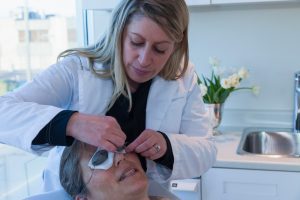
An eye patch is a small covering, usually adhesive-based, worn over one eye to temporarily block its vision. This limits the entry of light into the eye, forces the affected eye to work harder and promotes the development of vision. Eye patches are usually made of soft, breathable materials, ensuring comfort during prolonged wear.
Conditions that require the use of an eye patch:
Eye patches are used mainly in two situations: to treat amblyopia (lazy eye) and to protect an injured or post-surgical eye from external factors:
- Treatment of amblyopia (lazy eye) and a lazy-eye patch:
Amblyopia occurs when one eye develops stronger vision while the other remains weaker, leading to poor visual coordination. Eye patches are used to cover the stronger eye, which forces the brain to rely on the weaker eye and thereby stimulate the development of its vision. Consistent patching helps strengthen the affected eye and improve binocular vision.
- Protecting the eyes with an eye patch:
Eye patches are also used as a protective measure following eye surgery or trauma. They protect the affected eye from irritants, light and rubbing, and allow it to heal properly.
How eye patches affect vision:
As noted, an eye patch temporarily blocks the vision of the dominant eye, which forces the brain to rely on the weaker eye. This stimulation encourages the weaker eye to improve its visual abilities, such as focusing, tracking objects and depth perception. Over time, consistent patching helps strengthen the weaker eye and promotes equal visual input from both eyes, leading to improved overall vision.
The importance of eye-patch treatment:
Timely and consistent eye-patch treatment is essential for several reasons:
- Developmental milestones:
Early childhood is a critical period for the development of vision. By treating lazy eye at this stage, the child's vision can be significantly improved and potential long-term visual impairment prevented. This is what a children's eye patch is intended for.
- Improved quality of life:
Improving visual acuity and coordination has a positive effect on the child's daily activities, such as reading, writing, sports and more. Treating lazy eye ensures a better quality of life for the child.
Types of eye patch:
Eye patches come in various types to suit different needs and preferences. Some common types include:
- Adhesive patches: these are adhesive patches that stick directly onto the skin around the eye. They are easy to apply, adjust and remove without causing discomfort.
- Cloth patches and reusable eye patch: made of soft, breathable cloth, cloth patches are tied around the head with an elastic strap. They are adjustable and suitable for those with sensitive skin.
- Decorated patches: these are intended for children and come in attractive shapes, patterns and colors. They make vision correction a more enjoyable experience for young patients.
How to use an eye patch:
Correct use of an eye patch is essential for effective treatment. Follow these steps for optimal results:
- Clean and dry the skin around the eye before placing the patch.
- Make sure the patch fully covers the eye without blocking the nose or causing discomfort.
- Secure the patch firmly but not too tightly to prevent light from entering.
- Check regularly and adjust the position of the patch to maintain proper coverage.
Comparing an eye patch with other treatments:
An eye patch is a widely used treatment method because of its effectiveness and because it is not considered invasive. However, it is important to note that individual cases may require alternative or additional treatments such as glasses, eye drops or another therapy. Consulting an ophthalmologist is essential to determine the most appropriate course of treatment for each patient. This is because eye patches are sometimes not sufficient to treat the medical problem.
The risk of wearing eye patches:
While eye patching is generally safe, there are several risks to take into account:
- Skin irritation: prolonged use of adhesive patches can sometimes cause mild irritation or redness of the skin. Using hypoallergenic patches or cloth patches can help minimize this risk.
- Emotional impact: children may feel insecure or uncomfortable with an eye patch, especially in social settings. Open communication, reassurance and the use of decorative patches can help reduce these concerns.
Summary:
An eye patch is an important tool in treating various eye diseases, especially lazy eye. It contributes to the development of vision, improves visual acuity and promotes binocular vision. Understanding the importance of timely treatment, choosing the right type of patch and using it correctly are essential for successful results. Remember, eye patching is only one aspect of comprehensive eye care, and consulting an ophthalmologist is essential for personalized treatment plans.
Have a question about your eyes? Want a specialist opinion?