A corneal erosion, or an erosion in the eye, is a relatively common eye condition affecting the outermost layer of the cornea, the clear, dome-shaped structure covering the front part of the eye. This condition can cause discomfort and disturbances in vision, so it is essential to understand the causes, symptoms, diagnosis and treatment options of a corneal erosion and an erosion in the eye.
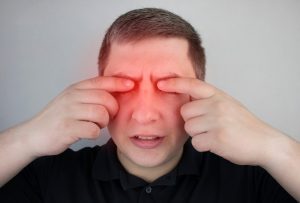
What is a corneal erosion?
A corneal erosion means a detachment or damage of the corneal epithelium, the outer layer of the cornea. This epithelial layer acts as a protective barrier for the tissues beneath it and ensures the smooth passage of light into the eye, facilitating clear vision. When the epithelium is damaged, it can lead to a variety of possible symptoms and complications.
Causes of a corneal erosion:
The most common causes of a corneal erosion include:
- Corneal injury: previous corneal injuries, such as scratches or abrasions, can leave the cornea vulnerable to erosion.
- Recurrent corneal erosion (RCE): some people may suffer from a condition known as RCE, in which the epithelium repeatedly detaches from the surface of the cornea, leading to chronic erosion episodes.
- Dry eye syndrome: insufficient tear production or poor tear quality can cause an unstable tear film, leading to a corneal erosion.
- Eye diseases: certain eye conditions such as corneal dystrophy can increase the risk of a corneal erosion.
Risk factors for a corneal erosion:
Several factors can increase the likelihood of developing a corneal erosion, including:
- A history of corneal injury or eye trauma.
- Previous episodes of corneal erosion.
- Age, since older people may be more susceptible.
- Dry eye syndrome or other eye diseases.
- Contact lens use, especially if they are not fitted or handled properly.
Symptoms of an erosion in the eye:
A corneal erosion can lead to various uncomfortable symptoms, such as:
- Severe eye pain or discomfort.
- Sensitivity to light (photophobia).
- A lot of tearing.
- Blurred or fluctuating vision.
- A sensation of a foreign object in the eye.
- Redness and inflammation of the eye.
Diagnosis of a corneal erosion:
If you experience any symptoms of a corneal erosion, it is essential to seek a prompt evaluation from an ophthalmologist.
The diagnosis usually includes:
- A thorough eye examination to assess the condition of the cornea.
- Use of special eye drops with a dye to highlight any damaged areas on the cornea.
- Measuring tear production and assessing the presence of dry eye.
Treatments for a corneal erosion:
Treatment options for a corneal erosion aim to relieve symptoms, promote healing and prevent recurrent episodes. Common treatments include:
- Use of eye drops: artificial tears can help keep the cornea moist and reduce friction.
- Ointments or gels: these provide long-lasting lubrication during sleep or when eye drops are not sufficient.
- Medications: antibiotics can be obtained to prevent or treat any secondary infections.
- Debridement: in some cases, the damaged epithelium may need to be gently removed to facilitate healing.
Complications of a corneal erosion:
Without appropriate and timely treatment, a corneal erosion can lead to serious complications, such as corneal scarring, vision loss and recurrent erosions that significantly affect quality of life.
Prevention of a corneal erosion:
While some factors leading to a corneal erosion may be unavoidable, certain measures can be taken to reduce the risk:
- Avoid rubbing the eyes, especially when feeling irritation or discomfort.
- Follow proper contact lens care guidelines.
- Protect the eyes from trauma by using appropriate safety equipment.
- Treat dry eyes as recommended by the ophthalmologist.
Summary:
A corneal erosion is a troubling eye condition that affects the outer layer of the cornea and can cause pain, vision problems and complications if left untreated. Understanding the causes, symptoms and treatment options is essential for early detection and management of a corneal erosion. If you experience any symptoms or suspect a corneal erosion, seek professional help promptly to preserve the health and wellbeing of the eye.
Have a question about your eyes? Want a specialist opinion?