The cornea, the clear front surface of the eye, plays a vital role in vision. It serves as a protective layer and helps focus light onto the retina. However, like any other part of the body, the cornea too can develop various problems, including corneal edema. Here we will understand what corneal edema is, its symptoms, causes, the way it is diagnosed and the treatments available for edema of the cornea of the eye.
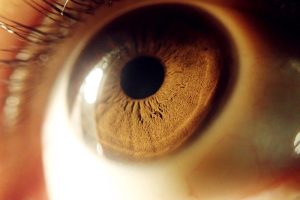
What is corneal edema?
Corneal edema occurs when the cornea fills with excess fluid. The cornea maintains a delicate balance of fluids in order to preserve its transparency and optical clarity. When this balance is disrupted, edema of the cornea of the eye can result, and with it a variety of vision problems.
Symptoms of corneal edema
Edema of the cornea of the eye can present with several prominent symptoms, including:
- Blurred vision: the accumulation of fluid in the cornea may disrupt the passage of light, leading to blurred or distorted vision.
- Halos around lights: many people with corneal edema report that they see halos or rings around light sources, such as car headlights or street lamps.
- Increased sensitivity to light: known as photophobia, meaning the eyes become more sensitive to bright light.
- Eye pain: some people may experience discomfort or pain in the eyes due to corneal edema.
- Redness and irritation: the eyes may appear red and feel irritated.
Causes of corneal edema
Corneal edema can stem from various causes, including:
- Endothelial dysfunction: the innermost layer of the cornea, known as the endothelium, helps regulate fluid in the cornea. Damage to or dysfunction of this layer can lead to fluid accumulation and to edema of the cornea of the eye.
- Trauma: eye injuries or surgical procedures may harm the cornea and disrupt its fluid balance.
- Endothelial dystrophy: this genetic condition can cause gradual deterioration of the endothelium, leading to corneal edema.
- Corneal infections: infections, such as herpes virus or bacterial keratitis, may cause inflammation of the cornea and edema of the cornea of the eye.
- Glaucoma: high intraocular pressure associated with glaucoma may affect hydration of the cornea and lead to edema.
Diagnosis of corneal edema
Diagnosis of corneal edema usually involves a comprehensive eye examination performed by an ophthalmologist. The diagnostic process may include:
- Visual acuity test: assessing the ability to discern details.
- Slit-lamp examination: a special instrument used to examine the structure of the cornea and to assess signs of edema.
- Measurement of corneal thickness (pachymetry): to evaluate the extent of the edema.
- Endothelial assessment (specular microscope): assessing the health and function of the endothelium of the cornea.
Treatment of corneal edema
Treatment of edema of the cornea of the eye depends on the cause and its severity. Some common approaches include:
- Eye drops: certain types of eye drops can help drain excess fluid from the cornea and reduce edema.
- Medications: in cases of infection-related edema, antibiotic or antiviral medications may be used.
- Corneal transplant: severe or persistent corneal edema that does not respond to other treatments may require a corneal transplant to replace the damaged cornea with a healthy cornea.
- Managing the underlying cause: treating glaucoma or a genetic dystrophy can help prevent worsening of corneal edema.
Summary
Edema of the cornea of the eye is a condition that can affect anyone, and its symptoms can significantly affect vision and overall eye comfort. Early diagnosis and appropriate treatment are essential in order to manage the condition effectively. If you are experiencing any of the symptoms mentioned, consult an ophthalmologist for a thorough examination and guidance on the treatment options best suited to you. Remember that timely intervention can often prevent further damage to vision and the discomfort associated with edema of the cornea of the eye.
Have a question about your eyes? Want a specialist opinion?