The cornea is a transparent, dome-shaped tissue at the front of the eye. The cornea plays a vital role in focusing the light rays reaching the eye and in protecting the eye. However, various conditions can affect the cornea, leading to corneal diseases of the eye. Here we will get to know the types of corneal diseases of the eye, their symptoms, methods of diagnosis, potential complications, available treatments and preventive measures.
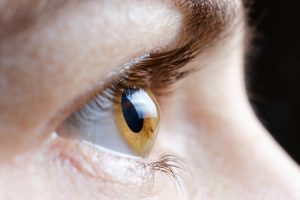
Types of corneal diseases of the eye:
- Keratitis: keratitis refers to inflammation of the cornea, usually caused by infections, injuries or other conditions. Infectious keratitis may stem from bacteria, viruses, fungi or parasites, while non-infectious keratitis can be related to dry eyes, exposure to irritants or autoimmune disorders.
- Corneal dystrophy: corneal dystrophy is a genetic condition characterized by abnormal corneal tissue. Conditions of corneal dystrophy can affect the transparency and shape of the cornea, leading to vision problems.
- Corneal abrasions: corneal abrasions occur when the outermost layer of the cornea, called the epithelium, is scratched or scraped. They can result from trauma, foreign objects in the eye or improper use of contact lenses.
- Corneal ulcers: corneal ulcers are open sores in the cornea, usually caused by infections, such as bacteria, viruses or fungi. They can also result from dry eyes, inflammation or prolonged use of contact lenses.
Symptoms of corneal diseases of the eye:
The symptoms of corneal diseases can vary according to the specific condition but may include:
- Blurred or cloudy vision
- Pain or discomfort in the eyes
- Redness and irritation
- Sensitivity to light
- Excessive tearing or discharge
- Foreign-body sensation
- Swelling or clouding of the cornea
Diagnosis of corneal diseases:
To diagnose corneal diseases, the ophthalmologist may perform several tests, including:
- Visual acuity test: measures how well one can see at different distances.
- Slit-lamp examination: a special instrument is used to examine the cornea, allowing the doctor to identify corneal abnormalities.
- Corneal topography: maps the shape and curvature of the cornea and assists in diagnosing various medical conditions.
- Specular microscopy: assesses the health of the corneal endothelium, particularly useful in identifying corneal dystrophy.
Complications of corneal diseases:
If left untreated, corneal diseases of the eye may lead to serious complications, such as:
- Vision loss or blindness
- Corneal scarring
- Corneal thinning (keratoconus)
- Corneal perforation (rare but serious)
Treatment of corneal diseases:
The treatment approach for corneal diseases depends on the specific condition and its severity. Some common treatment options include:
- Medications: various eye drops or ointments can be given to reduce inflammation or fight infections.
- Corneal transplant: in cases where the cornea is severely damaged or vision has been significantly impaired, a corneal transplant may be recommended. During this procedure, the diseased cornea is replaced with a healthy cornea from a donor.
- Phototherapeutic keratectomy (PTK): the use of laser technology to remove or reshape abnormal corneal tissue, improve vision and treat certain corneal dystrophies or scars.
Prevention of corneal diseases:
While certain corneal diseases may be hereditary and cannot be completely prevented, there are measures that can be taken to minimize the risk of developing corneal diseases of the eye:
- Good hygiene: wash your hands well before touching the eyes or contact lenses to reduce the risk of infections.
- Proper contact-lens care: follow the recommended cleaning and fitting instructions for contact lenses to prevent corneal abrasions or infections.
- Eye protection: use appropriate eye protection, such as safety glasses or goggles, when engaging in activities that may lead to eye injuries.
- Avoiding eye irritation: protect the eyes from irritants such as smoke, chemicals and dust by using protective goggles or keeping a safe distance.
In summary:
Knowing about corneal diseases of the eye is essential for maintaining healthy vision. By identifying the types of corneal diseases, their symptoms, obtaining timely medical diagnosis and following appropriate treatments, many people can effectively manage or overcome these conditions. By taking preventive measures and performing regular eye examinations, one can reduce the risk of developing corneal diseases and ensure the overall health of the eyes. Remember, early detection and proactive eye care are the key to preserving vision.
Have a question about your eyes? Want a specialist opinion?