A corneal abrasion is a common eye injury characterized by a cut or damage to the cornea, the transparent outer layer covering the front part of the eye. Although it can be a painful and uncomfortable experience, understanding the causes, symptoms and appropriate treatment of a corneal abrasion can lead to a faster and smoother recovery.
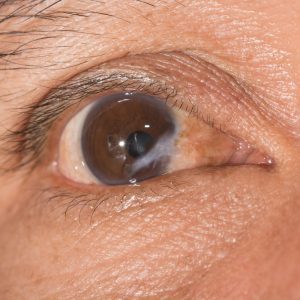
What is a corneal abrasion?
A corneal abrasion refers to a cut or injury to the surface of the cornea, which can occur for various reasons. The cornea is essential for clear vision, since it focuses light onto the retina, and any damage to its surface can lead to discomfort and temporary disturbances in vision.
Causes of a corneal abrasion:
A corneal abrasion is usually caused by:
- Foreign objects: dust, sand, wood chips or even contact lenses can scratch the cornea when they come into contact with the eye.
- Trauma: accidental pokes, scratches from fingernails or any form of direct injury to the eye.
- Rubbing the eyes: vigorous or improper rubbing of the eyes can cause scratches.
Risk factors for a corneal abrasion:
Certain factors may increase the risk of a corneal abrasion:
- Participating in sports or activities with a high risk of eye injuries.
- Work or a hobby where eye protection is not consistently required.
- Wearing contact lenses, which may trap foreign particles against the cornea.
Symptoms of a corneal abrasion:
A corneal abrasion can lead to the following symptoms:
- Pain or discomfort in the eyes, which may range from mild to severe.
- A sensation of a foreign body in the eye.
- Redness and irritation.
- Sensitivity to light (photophobia).
- Watery eyes or excessive tearing.
- Blurred or fluctuating vision.
Diagnosis of a corneal abrasion:
If you suspect a corneal abrasion or experience any symptoms, it is important to seek a professional evaluation from a specialist ophthalmologist. The diagnosis usually includes:
- An eye examination using a special microscope to inspect the cornea.
- Application of special eye drops containing a dye to highlight the corneal abrasion.
Treatments for a corneal abrasion:
Most corneal abrasions heal on their own within a few days. However, to promote healing and prevent infection, the following treatments may be recommended:
- Antibiotic eye drops: these help prevent or treat infections.
- Pain relief: over-the-counter pain relievers can ease discomfort.
- Eye drops: artificial tears keep the eye moist and encourage healing.
- Avoiding contact lenses: it is essential to avoid wearing contact lenses until the cornea has fully recovered.
Complications of a corneal abrasion:
When treated promptly, corneal abrasions only rarely lead to complications. However, without appropriate treatment, they may cause infections, corneal ulcers, corneal erosion, or even permanent scarring.
Prevention of a corneal abrasion:
To reduce the risk of corneal abrasions, take the following measures:
- Wear protective glasses when participating in sports or activities with potential eye hazards.
- Be careful when handling foreign objects, and avoid vigorous rubbing of the eyes.
- Clean and store contact lenses properly, according to the ophthalmologist's recommendations.
Summary:
A corneal abrasion is a common eye injury that can be uncomfortable and disrupt vision. By understanding the causes, symptoms and appropriate treatment of a corneal abrasion, you can take proactive steps to protect your eyes and seek timely treatment when needed. If you suspect a corneal abrasion or experience any eye-related discomfort, it is essential to consult a specialist ophthalmologist for proper evaluation and treatment.
Have a question about your eyes? Want a specialist opinion?