Cataract removal without surgery – where is the future taking us?
Cataract, an eye condition characterized by clouding of the natural lens, is the leading cause of reversible vision loss around the world. Although surgical intervention remains the only proven treatment for effectively treating cataract in humans, research continues to explore cataract removal without surgery. These options include pharmacological solutions, nutritional interventions, lifestyle changes and emerging technologies, all aimed at slowing the progression or reversing the progression of cataract. This article provides an in-depth discussion of these methods, their efficacy, potential risks and future prospects.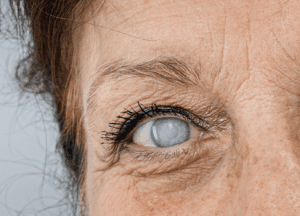
Cataract removal without surgery with pharmacological interventions
Several studies have explored the use of medications in the treatment of cataract. The goal is to develop eye drops or oral medications that can dissolve or prevent the formation of the protein clumps responsible for the clouding of the lens.
- Lanosterol eye drops: lanosterol is a natural molecule that has been identified as potentially able to prevent or reverse cataract formation. Early research showed that lanosterol eye drops can reduce the clouding associated with cataract in animal models, but more extensive human trials are still needed.
- Compound vitamin eye drops: compounds such as N-Acetylcarnosine (NAC) and L-carnosine, which contain antioxidant properties, are being researched. Preliminary studies indicate that they may slow the progression of cataract, but comprehensive clinical trials are needed to confirm their efficacy and safety.
Cataract removal without surgery with nutritional interventions
The role of nutrition in the development and progression of cataract is under comprehensive research. The hypothesis is that certain nutrients and antioxidants can help slow or prevent cataract formation.
- A diet rich in antioxidants: a diet rich in antioxidants, especially vitamins C and E, has the potential to be protective against cataract progression. These antioxidants help reduce oxidative stress, one of the main causes of cataract formation.
- Omega 3 fatty acids: a higher intake of omega 3 fatty acids, common in fatty fish and flax seeds, has been linked to a lower risk of cataract in some studies.
Cataract removal without surgery with lifestyle changes
Certain lifestyle changes may help delay the progression of cataract, although they cannot completely reverse the condition.
- UV protection: overexposure to UV rays can accelerate cataract progression. Wearing sunglasses that block 100% of UV rays and wide-brimmed hats can provide the needed protection for the eyes.
- Stop smoking: smoking is a significant risk factor for cataract. Quitting smoking can help slow the progression of the disease.
- Limiting alcohol consumption: excessive alcohol consumption is associated with an increased risk of developing cataract. Reducing alcohol consumption may delay the onset of cataract.
Emerging technologies
Recent advances in technology are exploring non-invasive methods for treating cataract. One such method is femtosecond laser-assisted cataract surgery. Although still considered surgery, this method uses laser technology to create incisions and soften the cataract, while minimizing the need for invasive surgical instruments. It has shown a decrease in surgical complications and improved outcomes in some studies, but more research is needed to assess its long-term benefits.
Research into future treatments
Research on non-surgical alternatives for treating cataract continues to push boundaries. It is worth noting that the use of nanotechnology in targeted drug delivery holds significant potential. By using nanoparticles, it may be possible to deliver therapeutic substances directly to the lens, and effectively treat cataract without surgery. However, this concept remains in experimental stages, and its practical application will require rigorous testing for efficacy and safety.
Summary
While the advances in non-surgical alternatives for treating cataract are promising, they have not yet been proven effective in humans. At present, cataract surgery, especially phacoemulsification and with the aid of femtosecond laser technology, remains the most effective, safe and common method for restoring vision in patients with significant cataract development.
Future research will undoubtedly continue to expand and refine non-surgical options. For now, the best approach to treating cataract includes a healthy diet, protective glasses against UV rays, quitting smoking, moderate alcohol consumption and regular eye examinations. These measures may slow the progression of cataract and preserve eye health. Patients are invited to discuss any possible treatment with their ophthalmologists.
Have a question about your eyes? Want a specialist opinion?